
Description
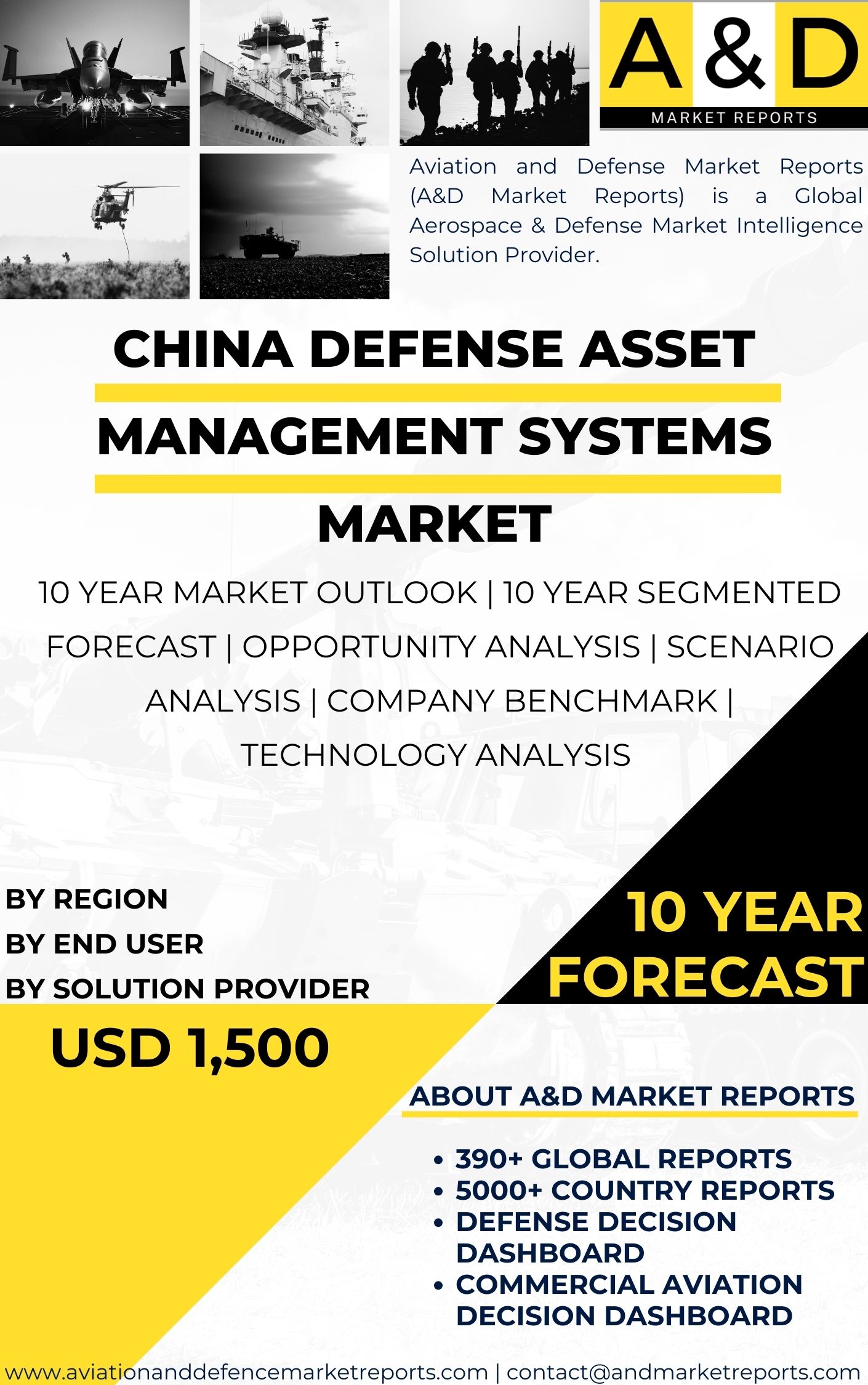
China Defense Asset Management Systems Market Overview
The China Defense Asset Management Systems Market is an important segment of the country’s defense industry. It focuses on the development, deployment, and maintenance of technologies that help military organizations track, monitor, and manage defense assets. These assets include military vehicles, aircraft, naval vessels, weapons systems, communication equipment, and other critical resources. As China’s military modernization efforts continue to expand, the demand for advanced asset management systems is increasing. Consequently, the market plays a vital role in improving operational efficiency, resource utilization, and mission readiness across the armed forces.
Growing Investments in Defense Infrastructure
China has steadily increased its defense spending over recent years, leading to substantial investments in military infrastructure and support technologies. The government recognizes that effective asset management is essential for maintaining combat readiness and ensuring the availability of critical equipment. Therefore, significant funding has been directed toward the development of advanced asset tracking, maintenance, and logistics management systems. These investments support the modernization of military operations and improve the lifecycle management of defense assets.
Military Modernization Driving Market Growth
One of the primary drivers of the China Defense Asset Management Systems Market is the country’s ongoing military modernization program. China seeks to enhance the efficiency and effectiveness of its armed forces through digital transformation and advanced management technologies. Modern asset management systems provide real-time visibility into asset locations, operational status, maintenance requirements, and inventory levels. As a result, military organizations can make faster decisions, reduce equipment downtime, and improve overall operational readiness.
Increasing Complexity of Defense Operations
The growing scale and complexity of China’s defense operations have increased the need for sophisticated asset management solutions. Modern military forces operate a diverse range of platforms, including armored vehicles, fighter aircraft, naval vessels, missile systems, and electronic warfare equipment. Managing these assets efficiently requires integrated systems capable of tracking performance, scheduling maintenance, and supporting logistics operations. Therefore, defense organizations are investing in advanced software platforms that improve coordination and asset utilization across multiple domains.
Advanced Asset Tracking and Monitoring Capabilities
Modern defense asset management systems offer a wide range of capabilities that improve operational control and equipment availability. These solutions support real-time asset tracking, predictive maintenance, inventory management, lifecycle monitoring, and logistics planning. By collecting and analyzing operational data, military organizations can identify potential equipment issues before failures occur. Consequently, predictive maintenance strategies help reduce repair costs, minimize downtime, and extend asset service life.
Strong Information Technology and Software Industry Support
China benefits from a highly developed information technology and software development sector. Numerous state-owned enterprises and private technology companies possess extensive expertise in software engineering, cloud computing, artificial intelligence, and data analytics. These capabilities support the development of advanced defense asset management platforms tailored to military requirements. Furthermore, collaboration between defense organizations and technology companies accelerates innovation and enhances system performance.
Integration of Digital Technologies
The adoption of emerging digital technologies is transforming the Defense Asset Management Systems Market. Artificial intelligence, big data analytics, machine learning, cloud computing, and Internet of Things (IoT) technologies are increasingly being integrated into defense management platforms. These technologies enable automated data collection, predictive analysis, and intelligent decision support. As a result, military organizations can optimize asset deployment, improve maintenance planning, and enhance operational efficiency across defense networks.
International Collaboration and Export Opportunities
China’s Defense Asset Management Systems Market has also benefited from growing international cooperation. Defense technology firms frequently collaborate with foreign partners to gain access to advanced technologies, software development methodologies, and management expertise. These partnerships support technology transfer and strengthen domestic capabilities. In addition, Chinese-developed asset management systems are finding opportunities in international markets, contributing to the country’s growing presence in the global defense technology sector.
Integration and Interoperability Challenges
Despite significant progress, integration and interoperability remain key challenges for the market. Military organizations often operate equipment acquired from different manufacturers and developed across multiple generations of technology. Ensuring seamless communication and data exchange between various asset management systems can be complex. Therefore, industry stakeholders continue to invest in standardized architectures, common data formats, and interoperable platforms to improve system compatibility and operational coordination.
Cybersecurity and Data Protection Requirements
Cybersecurity has become a critical concern as defense asset management systems become increasingly connected and data-driven. These platforms manage sensitive operational information and support critical military functions. Consequently, they are potential targets for cyberattacks and unauthorized access attempts. Chinese defense companies are investing in advanced cybersecurity measures, encryption technologies, secure communications, and threat detection capabilities to protect military data and maintain system integrity.
Future Outlook for the China Defense Asset Management Systems Market
The future outlook for the China Defense Asset Management Systems Market remains highly positive. Continued military modernization, increasing defense budgets, and the growing adoption of digital technologies are expected to drive market expansion over the coming years. Furthermore, the integration of artificial intelligence, predictive analytics, autonomous logistics systems, and cloud-based platforms will create new opportunities for innovation. These advancements will enable more efficient management of increasingly complex military assets and support China’s long-term defense objectives.
Conclusion
The China Defense Asset Management Systems Market plays a crucial role in improving military readiness, operational efficiency, and resource management. Strong government support, expanding defense modernization programs, and advancements in digital technologies continue to drive market growth. In addition, the country’s robust information technology sector and increasing international collaboration strengthen its competitive position. Although challenges related to interoperability and cybersecurity remain, ongoing investments in innovation and infrastructure are expected to support sustained growth and technological advancement in the years ahead.