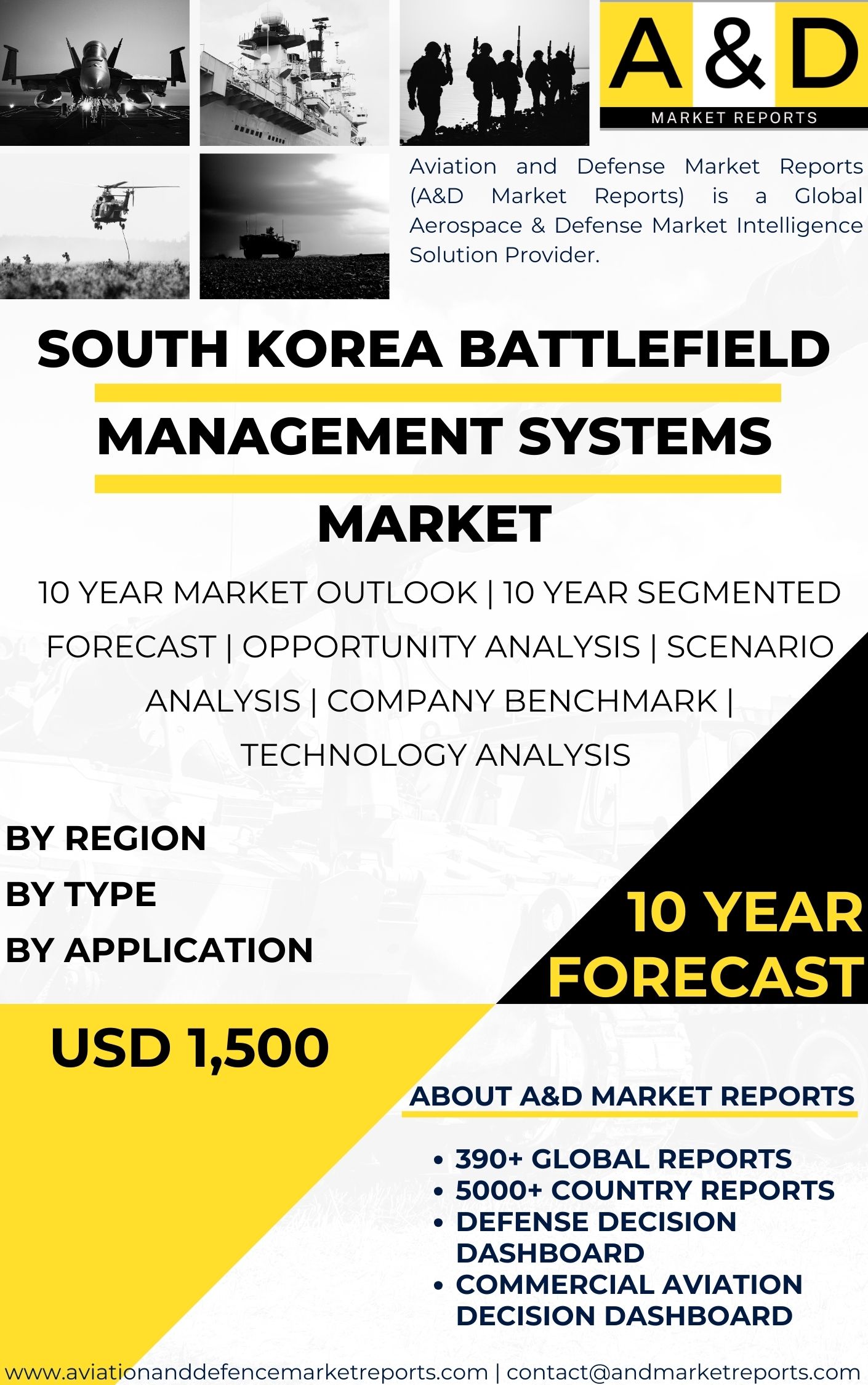
South Korea Battlefield Management Systems Market

$1,500.00

Enquire Now

The South Korea Battlefield Management Systems (BMS) market is a vital segment within the nation’s defense industry, providing essential capabilities for command, control, communications, and intelligence (C3I) in modern warfare. Battlefield Management Systems are advanced technologies that facilitate real-time situational awareness, decision-making, and coordination of military forces on the battlefield. This article provides an in-depth analysis of the current state, growth drivers, challenges, key players, and future prospects of the South Korea Battlefield Management Systems market.

Go To Global Report Page Track this market real time on DDD

Description

South Korea Battlefield Management Systems Market Overview

The South Korea Battlefield Management Systems market plays an important role in the nation’s defense sector. Battlefield Management Systems support command, control, communications, and intelligence operations. These systems provide real-time battlefield data and improve decision-making. As a result, they enhance coordination and operational efficiency during military missions.

Historical Development of Battlefield Management Systems

The South Korea Battlefield Management Systems market developed after the post-war period. Rising security concerns created the need for a strong defense structure. To improve operational effectiveness, South Korea focused on developing indigenous Battlefield Management Systems for its armed forces.

Current Market Landscape

Currently, the market includes domestically developed solutions and systems created through strategic partnerships. South Korean defense companies have advanced BMS design and integration. This progress has reduced reliance on foreign systems and strengthened self-sufficiency.

Key Growth Drivers

Military Modernization Programs

Military modernization strongly supports the South Korea Battlefield Management Systems market. Ongoing regional tensions increase the demand for advanced digital command systems. These systems help improve operational speed and accuracy.

Geographic and Security Factors

South Korea’s mountainous terrain increases the need for effective battlefield coordination. Reliable BMS solutions support real-time situational awareness. This capability helps commanders respond quickly to emerging threats.

Focus on Domestic Technology Development

Government support for domestic defense technologies drives market growth. Increased investment in research and development improves system capabilities. This focus strengthens data integration, communication, and decision support tools.

Strategic International Partnerships

Collaboration with foreign defense firms supports technology transfer. These partnerships help improve system interoperability and performance. They also accelerate innovation and system upgrades.

Export Opportunities

South Korean Battlefield Management Systems are gaining international recognition. Strong performance and reliability support export demand. This trend contributes to long-term market growth.

Market Challenges

Need for Continuous Innovation

Modern warfare evolves rapidly. BMS platforms must support advanced data processing and secure communications. Continuous research is required to maintain system effectiveness.

Competition from Established Vendors

Established defense suppliers create strong competition. South Korean firms must focus on specialized solutions. Customization and flexibility help improve competitiveness.

Export Regulations

Strict defense export rules affect market expansion. Regulatory approval is required for international sales. These limitations can restrict access to some regions.

Future Outlook of the Market

The South Korea Battlefield Management Systems market is expected to grow steadily. Government funding and defense digitization programs will support development. Investment in skilled professionals and advanced software will strengthen future capabilities.

Conclusion

The South Korea Battlefield Management Systems market is a key part of the country’s defense infrastructure. Growth is driven by military modernization, domestic innovation, and export demand. Challenges related to technology upgrades and regulations remain important. By strengthening research efforts, expanding partnerships, and developing skilled talent, South Korea can enhance battlefield coordination and improve national defense readiness.
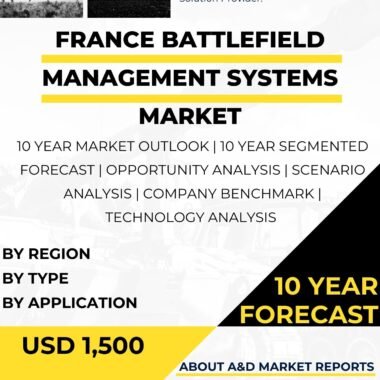
Table of content

Table Of Contents

1 Market Introduction

1.1 Market Introduction
1.2 Market Definition
1.3 Market Segmentation
1.4 10 Year Market Outlook

2 Market Technologies

3 Global Market Forecast

3.1 Global Market Forecast
3.2 By Type
3.3 By Application

4 APAC Market Trends & Forecast

4.1 Drivers, Restraints And Challenges
4.2 PEST
4.3 Market Forecast
4.3.1 Market Forecast By Type
4.3.2 Market Forecast By Application
4.4 Scenario Analysis
4.5 Key Companies& Profiling

5 South Korea Analysis

5.1 Current Levels Of Technology Maturation In This Market
5.2 Market Forecast
5.2.1 Market Forecast By Type
5.2.2 Market Forecast By Application
5.3 Scenario Analysis
5.4 Country Defense Budget (Historical and 10- year forecast)
5.5 Defense Budget Category Spending- 10- year forecast
5.6 Procurement Analysis
5.7 EXIM Data
5.8 Patents

6 Opportunity Matrix

6.1 By Type
6.2 By Application

7 Scenario Analysis

7.1 Scenario 1

7.1.1 By Type (Scenario-1)
7.1.2 By Application (Scenario-1)

7.2 Scenario 2

7.2.1 By Type (Scenario-2)
7.2.2 By Application (Scenario-2)

8 Company Benchmark

9 Strategic Conclusions

10 About Aviation And Defense Market Reports

Segments

By Type
By Application

List of Tables

Table1: Global Market Forecast, South Korea Battlefield Management Systems Market
Table2: APAC Market Forecast, South Korea Battlefield Management Systems Market
Table3: APAC Market Forecast, By Type
Table4: APAC Market Forecast, By Application
Table5: APAC, Scenario Analysis
Table6: South Korea Market Forecast, South Korea Battlefield Management Systems Market
Table7: South Korea Market Forecast, By Type
Table8: South Korea Market Forecast, By Application
Table9: South Korea, Scenario Analysis
Table 10: South Korea Defense Budget 10 Year Forecast
Table 11: South Korea, Defense Budget Category Spending- 10- year forecast
Table 12: South Korea, Procurement Analysis
Table 13: South Korea, EXIM Data Analysis
Table 14: South Korea, Opportunity Analysis, By Type
Table 15: South Korea, Opportunity Analysis, By Application
Table 16: South Korea, Scenario Analysis, By Type
Table 17: South Korea, Scenario Analysis, By Application

List of Figures

Figure 1: Market Segmentation, South Korea Battlefield Management Systems Market
Figure 2: Key Technology Analysis, South Korea Battlefield Management Systems Market
Figure 3: Global Market Forecast, South Korea Battlefield Management Systems Market
Figure 4: APAC, Market Forecast, South Korea Battlefield Management Systems Market
Figure 5: APAC, Market Forecast, By Type
Figure 6: APAC, Market Forecast, By Application
Figure 7: APAC, Scenario Analysis
Figure 8: South Korea, Market Forecast, South Korea Battlefield Management Systems Market
Figure 9: South Korea, Market Forecast, By Type
Figure 10: South Korea, Market Forecast, By Application
Figure 11: South Korea, Scenario Analysis
Figure 12: South Korea, Defense Budget 10 Year Forecast
Figure 13: South Korea, Defense Budget Category Spending- 10- year forecast
Figure 14: South Korea, Procurement Analysis
Figure 15: South Korea, EXIM Data Analysis
Figure 16: South Korea, Opportunity Analysis, By Type
Figure 17: South Korea, Opportunity Analysis, By Application
Figure 18: South Korea, Scenario Analysis, By Type
Figure 19: South Korea, Scenario Analysis, By Application
Figure 20: Company Benchmark

Aviation and Defense Market Reports


TPA | TIA | Consulting | Market Reports | Defense Decision Dashboard


Our Defense Report - Our Team Has Worked on More Than 250+ Individual Products / Markets