
Description
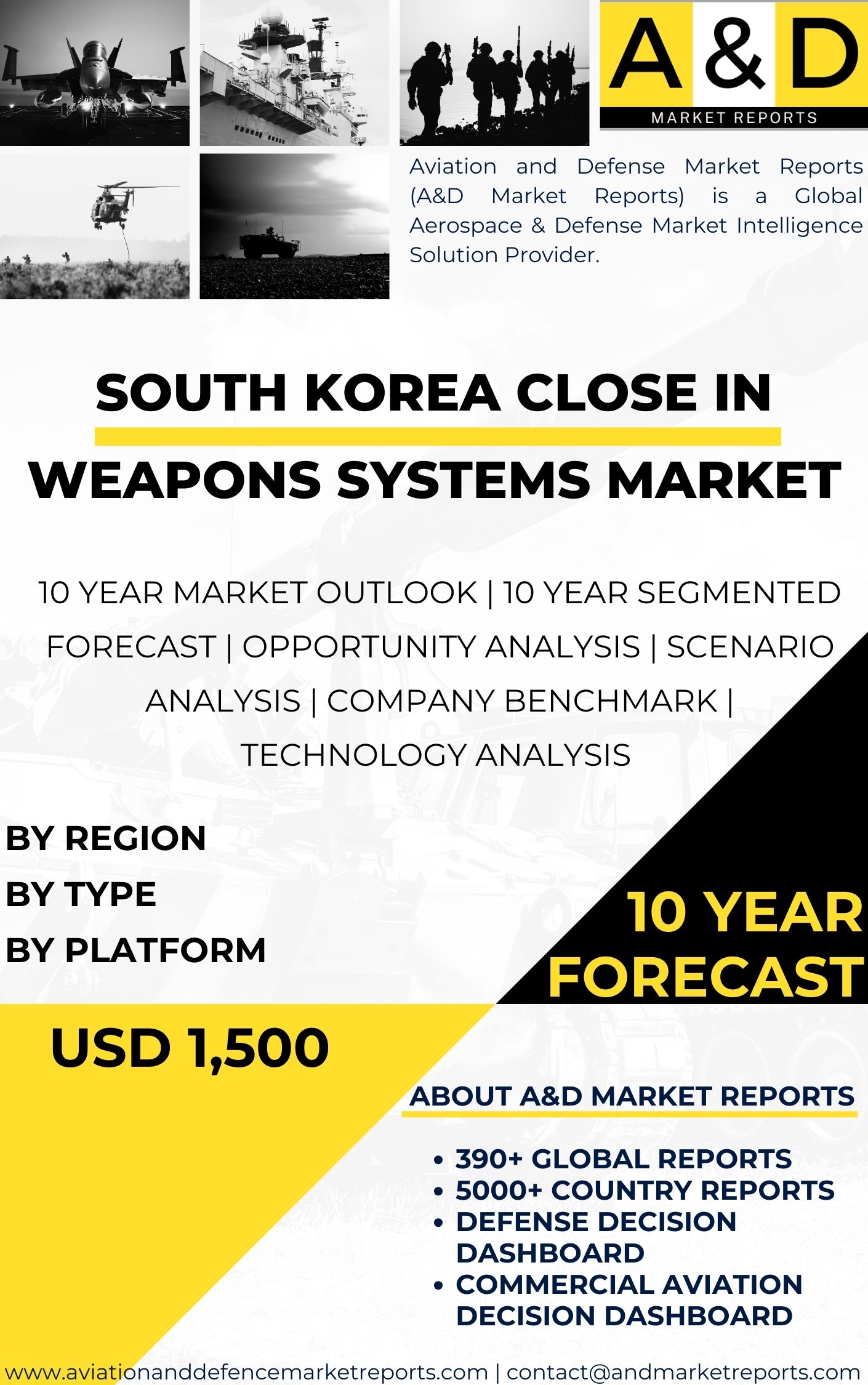
South Korea CIWS Market Overview
The Close in weapons systems is a key segment of the nation’s defense industry. Close-In Weapons Systems (CIWS) protect naval vessels from missiles, aircraft, and other close-range threats. These advanced systems ensure the safety of ships and support maritime security in sensitive areas.
Historical Development of the South Korea CIWS Market
The South Korea CIWS market developed after the post-war period. The country faced security challenges and needed a strong naval defense. Early efforts focused on acquiring basic missile defense and gun systems. Over time, the focus shifted to advanced CIWS with radar-guided targeting and integrated weapons systems.
Current Market Landscape
Today, the South Korea CIWS market includes a variety of technologies. Systems feature Gatling guns, missiles, and radar interceptors. They are designed to detect, track, and neutralize incoming threats. Integration with ship combat systems enhances their effectiveness.
Key Growth Drivers
Naval Modernization Programs
A major driver of the South Korea CIWS market is the modernization of the navy. New vessels require advanced defensive systems. CIWS improve reaction time and accuracy against fast-moving threats. Upgraded systems strengthen overall maritime security.
Strategic Maritime Security Needs
South Korea’s strategic location in Northeast Asia increases the importance of CIWS. Protecting territorial waters and naval fleets is vital. CIWS provide critical defense during conflicts and help maintain operational readiness.
Focus on Indigenous Defense Technology
The South Korea CIWS market benefits from domestic innovation. Government initiatives support local research and production. Investment in R&D drives the development of homegrown CIWS technologies. This reduces reliance on imported systems and fosters national expertise.
Technology Development and International Partnerships
South Korea has strong defense engineering expertise. Skilled professionals design advanced CIWS and integrate them into naval systems. Collaborations with international partners enable technology transfer and improve system reliability. These partnerships ensure access to the latest innovations.
Export Opportunities in the South Korea CIWS Market
The South Korea CIWS market also benefits from export demand. Local shipbuilders and defense firms supply reliable systems to partner nations. Recognition for quality drives long-term contracts. Export activity strengthens the industry and supports future development.
Challenges in the South Korea CIWS Market
Evolving Threat Scenarios
Threats in maritime warfare are constantly changing. CIWS must adapt to new missile types and attack tactics. Continuous innovation and upgrades are necessary to maintain effectiveness.
Competition and Specialization
Competition is strong from established suppliers. South Korean manufacturers must focus on specialized solutions and niche capabilities. Custom system design ensures competitiveness and addresses specific naval requirements.
Regulatory Compliance
Exporting CIWS involves strict regulations. Systems must meet national and international defense standards. Compliance can slow deployment and restrict access to some markets.
Future Outlook and Government Support
The South Korea CIWS market will continue growing with government support. Funding for R&D and procurement promotes innovation. Workforce training ensures skilled personnel operate and maintain systems efficiently. Partnerships with research institutions and allied nations enhance capabilities and technology exchange.
Conclusion
The South Korea CIWS market is a critical part of the country’s naval defense strategy. Growth is driven by naval modernization, indigenous technology development, and export demand. By investing in research, fostering partnerships, and strengthening workforce skills, South Korea can enhance its CIWS capabilities and protect its maritime assets effectively.