
Description
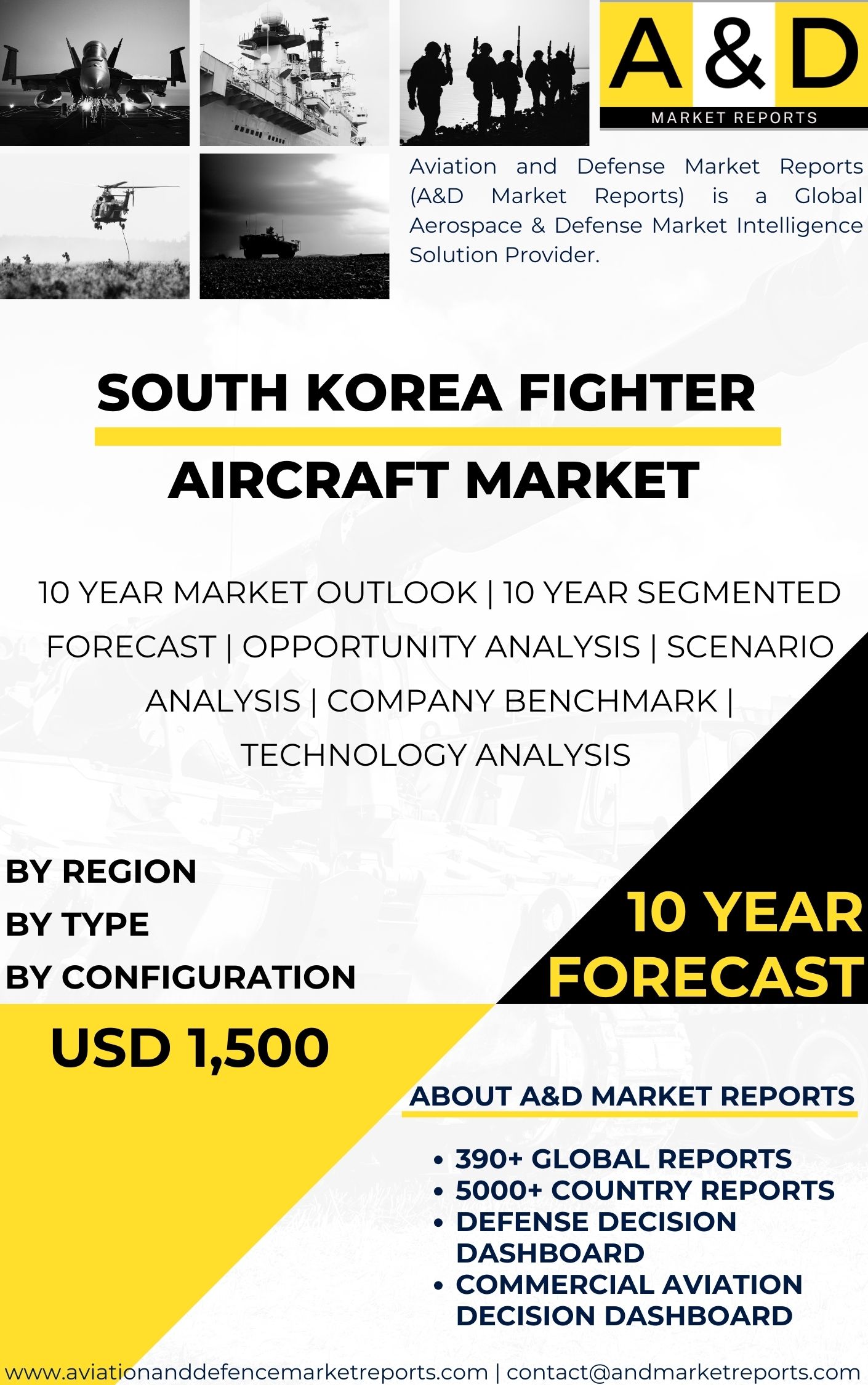
South Korea Fighter Aircraft Market Overview
The South Korea fighter aircraft market is a core part of the country’s defense strategy. Fighter aircraft protect airspace and support national security. Regional threats, especially from North Korea, drive steady investment in this market. South Korea focuses on readiness, technology, and fleet modernization.
Early Development of the South Korea Fighter Aircraft Market
After the Korean War, South Korea relied on foreign fighter jets. The air force initially used surplus aircraft from the United States. Later, it inducted advanced platforms such as the F-4 Phantom II and F-5 Freedom Fighter. These aircraft helped build early air combat capability.
Shift Toward Indigenous Fighter Aircraft Programs
Economic growth strengthened South Korea’s defense industry. The country aimed to reduce dependence on external suppliers. This shift led to the development of the KAI T-50 Golden Eagle. The platform later evolved into the FA-50 light combat aircraft.
Role of the FA-50 in the South Korea Fighter Aircraft Market
The FA-50 features modern avionics and weapon systems. It supports air defense and training roles. The aircraft became a key asset for fleet expansion. It also supported domestic industry growth.
KF-X Program and Advanced Fighter Development
To replace aging aircraft, South Korea launched the KF-X fighter program. The aircraft, now known as the KF-21 Boramae, is a fifth-generation multirole fighter. It strengthens air superiority and strike capability.
International Cooperation in the KF-X Program
Indonesia joined the KF-X project as a partner. This cooperation helped share costs and risks. It also expanded future export opportunities in Asia.
Foreign Acquisitions in the South Korea Fighter Aircraft Market
While building local platforms, South Korea also acquired advanced foreign aircraft. The F-35 Lightning II joined the fleet to meet immediate defense needs. The F-35 offers stealth and network-centric warfare capability. It added a strong technological edge.
Strategic Role of the United States Partnership
The defense partnership with the United States remains vital. The Mutual Defense Treaty supports interoperability. Joint exercises improve coordination and readiness. This partnership strengthens the South Korea fighter aircraft market.
Growing Role of UAVs and Air Combat Systems
South Korea is expanding the use of unmanned aerial vehicles. UAVs support surveillance and combat missions. They reduce risk and operational cost. Investment in this area continues to rise.
Pilot Training and Operational Readiness
Pilot skill is critical to air combat success. South Korea runs rigorous training programs. Regular drills improve combat readiness. These efforts ensure effective aircraft use.
Technology Integration in the South Korea Fighter Aircraft Market
Advanced technologies support future growth. Artificial intelligence improves mission planning. Data analytics enhances aircraft performance. Continuous research keeps the fleet modern.
Conclusion
The South Korea fighter aircraft market plays a vital role in national defense. The country moved from foreign reliance to strong indigenous development. Programs like the FA-50 and KF-21 highlight this progress. Strategic partnerships and advanced acquisitions strengthen air power. As threats evolve, South Korea remains focused on building a modern and capable fighter aircraft fleet.