
Description
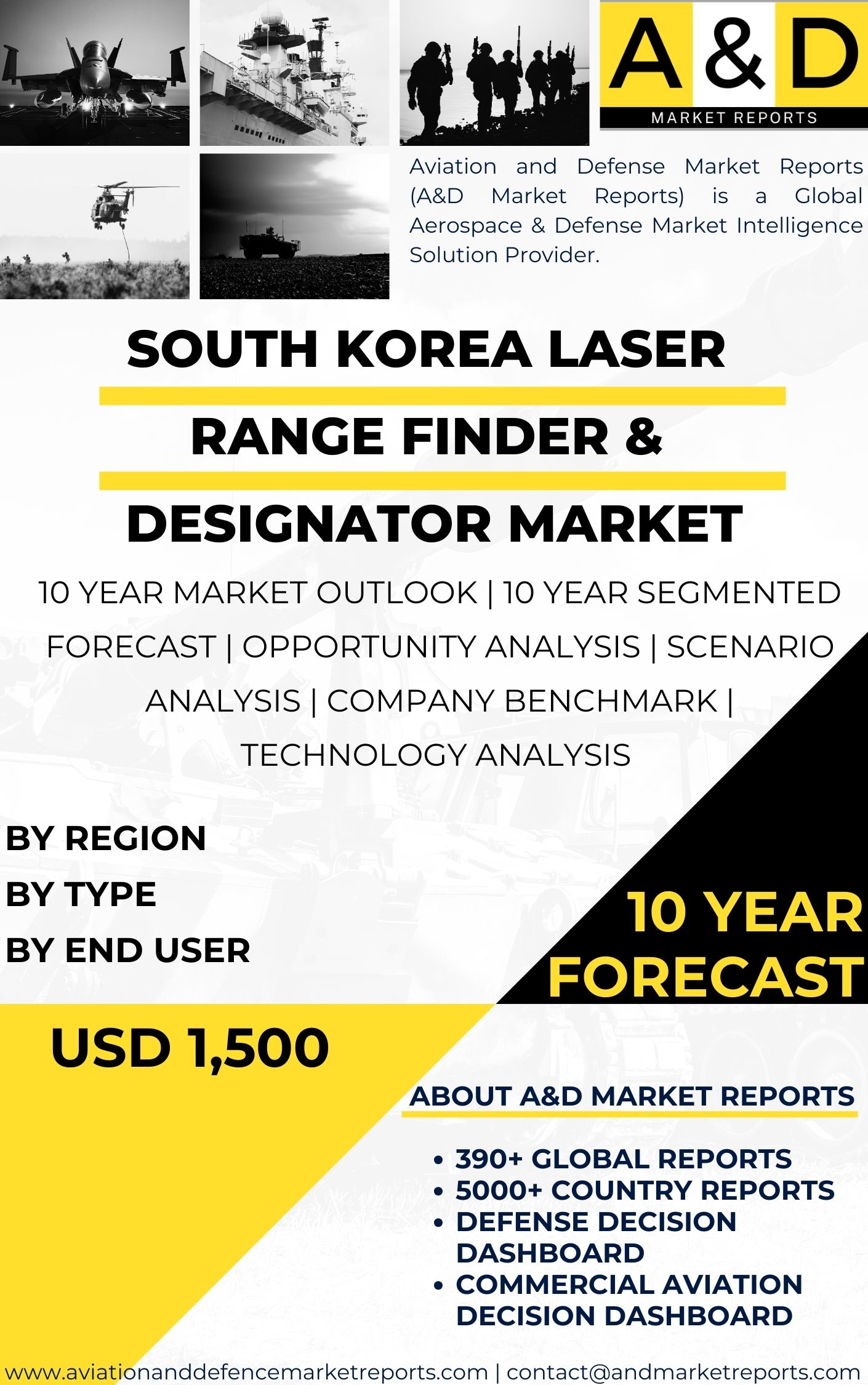
South Korea Laser Range Finder and Designator Market Overview
The Laser Range Finder & Designator is a key part of the country’s defense industry. These systems support accurate targeting and reconnaissance for the armed forces. Laser range finders and designators help improve weapon accuracy and mission success. South Korea focuses on local development, partnerships, and innovation to strengthen this market.
Role of Laser Range Finders in Modern Warfare
Laser range finders measure the distance to a target using laser pulses. The system calculates range by timing the laser reflection. Accurate distance data helps weapons adjust firing settings. This improves targeting precision and reduces errors.
Importance of Laser Designators for Precision Strikes
Laser designators mark targets with laser energy. Guided weapons then follow this laser signal to the target. These systems guide missiles, bombs, and artillery rounds. Designators improve hit accuracy and reduce unintended damage.
Indigenous Development in the South Korea Laser Range Finder and Designator Market
Local development plays a major role in the South Korea laser range finder and designator market. Companies such as LIG Nex1 and Hanwha Systems lead system design and production. Their work supports national defense needs and reduces reliance on imports.
Ground-Based Laser Targeting Systems
South Korea has advanced laser designators for ground forces. Infantry units and armored vehicles use these systems for precision strikes. Artillery units also rely on laser designators to guide munitions. These systems work reliably in poor weather and low visibility.
Integration Across Military Platforms
Laser range finders and designators are installed on many platforms. These include fighter aircraft, attack helicopters, and UAVs. Pilots and operators use them to identify and engage targets from long range. Air-based designators improve mission accuracy and success.
Strategic Partnerships and Technology Cooperation
South Korea works with international technology partners to improve system performance. These partnerships support joint research and system integration. Access to advanced components helps improve design quality and reliability.
Research and Development Focus
Research and development drive progress in this market. South Korea invests in improving accuracy and durability. Engineers focus on reducing size, weight, and power needs. These improvements make systems easier to deploy and maintain.
Export Growth in the South Korea Laser Range Finder and Designator Market
The market extends beyond domestic use. South Korea exports laser range finders and designators to other countries. These exports show strong system performance and reliability. They also support growth in the defense industry.
Training and Operational Readiness
Operator training is essential for system effectiveness. South Korea provides structured training programs for military personnel. These programs cover operation, maintenance, and field use. Skilled operators improve mission success.
Cybersecurity Considerations
Modern laser systems use digital components. This increases cyber risk. South Korea invests in cybersecurity protections for defense systems. These measures help secure data and system functions.
Conclusion
The South Korea laser range finder and designator market plays a vital role in strengthening defense capabilities. Local development, partnerships, and innovation support continuous improvement. High accuracy and reliability remain top priorities. Ongoing investment will ensure long-term readiness and operational effectiveness.