
Description
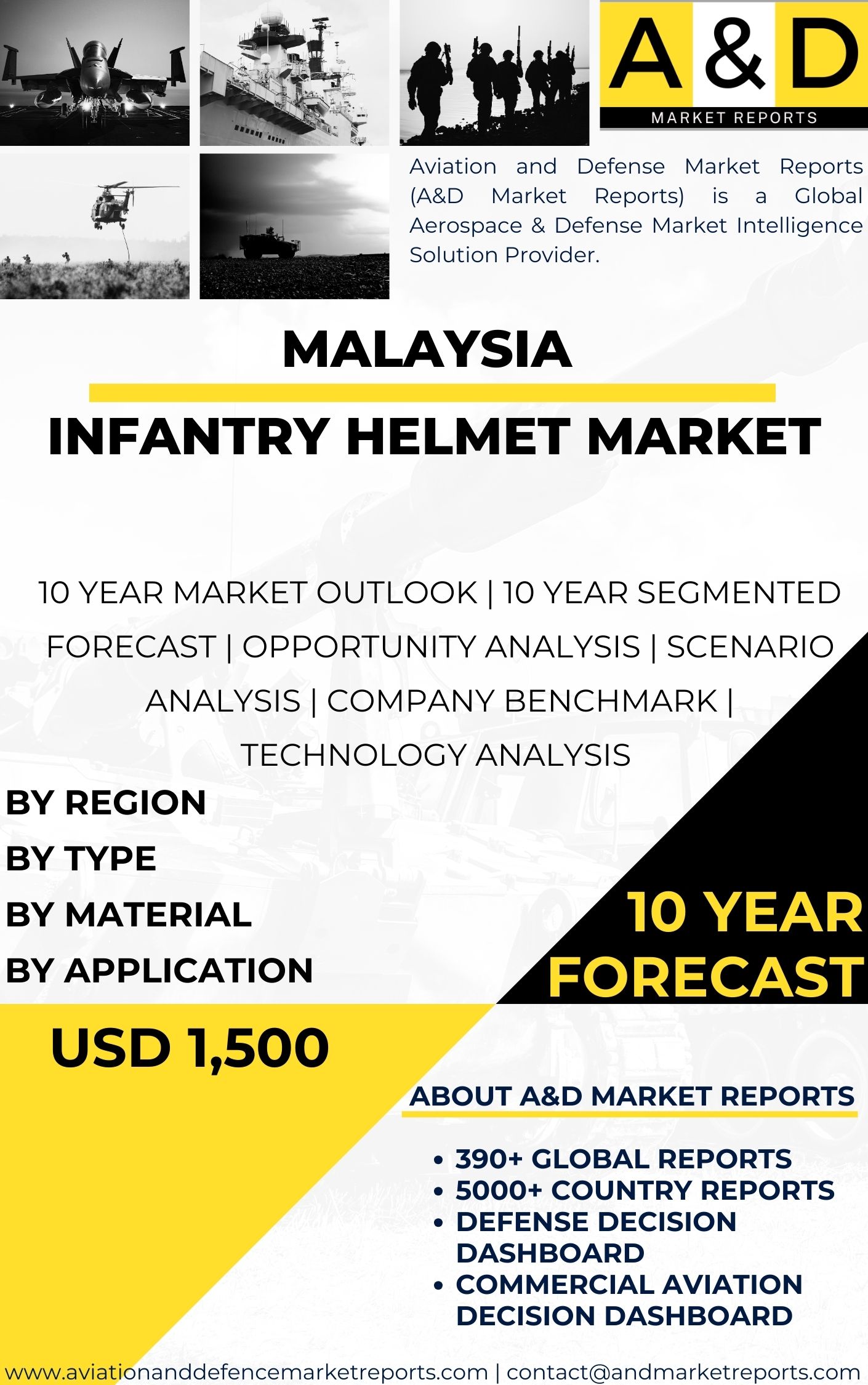
The infantry helmet market in Malaysia reflects a dynamic landscape influenced by evolving defense requirements, technological innovations, and strategic modernization efforts in the military sector. Infantry helmets are vital protective gear designed to safeguard soldiers from ballistic threats and physical impacts on the battlefield while also serving as platforms to integrate advanced communication and sensory equipment. In Malaysia, the market for these helmets has been shaped by a growing emphasis on upgrading soldier protection systems in line with regional security challenges and international defense standards. Malaysian defense forces recognize the importance of helmets that not only provide robust ballistic protection but also enhance situational awareness through features like night vision compatibility and communication integration. This demand pushes manufacturers to incorporate state-of-the-art materials such as aramid fibers, composites, and ultra-high molecular weight polyethylene, which offer a superior balance of lightweight design and ballistic resistance. These materials contribute to reducing fatigue and increasing comfort for soldiers during operations, responding to the operational need to maintain mobility and endurance.
The competitive landscape of Malaysia’s infantry helmet market is marked by the presence of both global players and local manufacturers. International companies bring cutting-edge technologies and extensive research capabilities, often collaborating with Malaysian firms to produce helmets tailored to the specific environmental and tactical conditions faced locally. At the same time, domestic manufacturers focus on cost-effective solutions that meet basic protection criteria while gradually exploring advanced materials and modular designs to remain competitive. The Malaysian government’s strategic initiatives to modernize the defense procurement processes play a crucial role in this market, fostering innovation and encouraging partnerships that enhance the technological readiness of the armed forces. With an eye on future potential, there is growing interest in helmets equipped with smart technologies such as embedded sensors that monitor vital signs or environmental dangers, augmenting traditional protective roles with real-time data capabilities. These innovations aim to improve soldiers’ battlefield performance and survivability by enabling faster response times and better coordination.
Market drivers in Malaysia include the necessity to address increasing asymmetric threats and the evolving nature of warfare. The military is transitioning from conventional battlefield confrontations to complex operations involving urban warfare and counter-terrorism, where infantry helmets must provide comprehensive protection against a range of threats from bullets to explosive fragments and blunt trauma. Additionally, improving interoperability and communication within units demands helmets compatible with modern headsets, microphones, and augmented reality systems which help troops maintain situational awareness and tactical advantage. The emphasis on soldier-centered technology integration also reflects broader trends towards network-centric warfare within the Malaysian defense strategy. Consequently, the infantry helmet market responds to these functional and ergonomic requirements by offering modular designs that allow the addition or removal of accessories without sacrificing helmet integrity.
Challenges confronting the market include stringent regulatory standards that govern ballistic protection levels, environmental sustainability, and user safety. Manufacturers must navigate complex certification processes to ensure that helmets meet rigorous military specifications, which can involve extensive testing for impact resistance, penetration, and durability. Furthermore, balancing cost and performance remains a persistent concern given the budgetary constraints faced by defense procurement agencies. There is also an increasing focus on compliance with environmental regulations concerning raw materials and manufacturing processes, pushing companies towards greener production methods. Training and maintenance requirements related to advanced helmet technologies also demand investment, with operational units needing adequate preparation to maximize the benefits of integrated systems.
The market can be segmented by material types, with aramid fiber and composite helmets commonly preferred due to their high strength-to-weight ratios and ballistic resistance. Each material type corresponds to different operational profiles and budget considerations. Usage scenarios range across regular infantry troops, special operations forces, and law enforcement units, all with varying protection and technology integration needs. This diversity necessitates a versatile product portfolio to cater to various end-users, reinforcing manufacturers’ focus on adaptable and scalable helmet solutions. Distribution channels encompass direct military procurement contracts, aftermarket services including upgrades and repairs, and sales through authorized dealers to police and paramilitary forces.
Looking ahead, the infantry helmet market in Malaysia is poised for growth driven by ongoing technological advancements and increasing defense budgets allocated towards modernization. Innovations in helmet architecture, such as the use of additive manufacturing and incorporation of advanced ceramics, enable lighter and stronger products capable of integrating digital systems seamlessly. The growing importance of battlefield data collection and augmented reality points to helmets evolving into multifunctional soldier systems rather than mere protective gear. As regional tensions and security dynamics continue to evolve, the readiness of Malaysia?s infantry forces supported by modern helmets will be instrumental in maintaining operational effectiveness.
In summary, Malaysia?s infantry helmet market is characterized by a convergence of advanced materials, smart technologies, and adaptable designs tailored to modern military needs. Government initiatives, combined with local and international collaborations, create an environment that stimulates innovation while addressing challenges related to regulatory compliance and cost management. The helmets serve as crucial personal protective equipment that enhances soldier survival and effectiveness in diverse operational theaters, reflecting broader defense modernization trends and technological progression. This market continues to adapt to changing tactical demands, prioritizing protection, comfort, and connectivity to face emerging threats effectively.