
Description
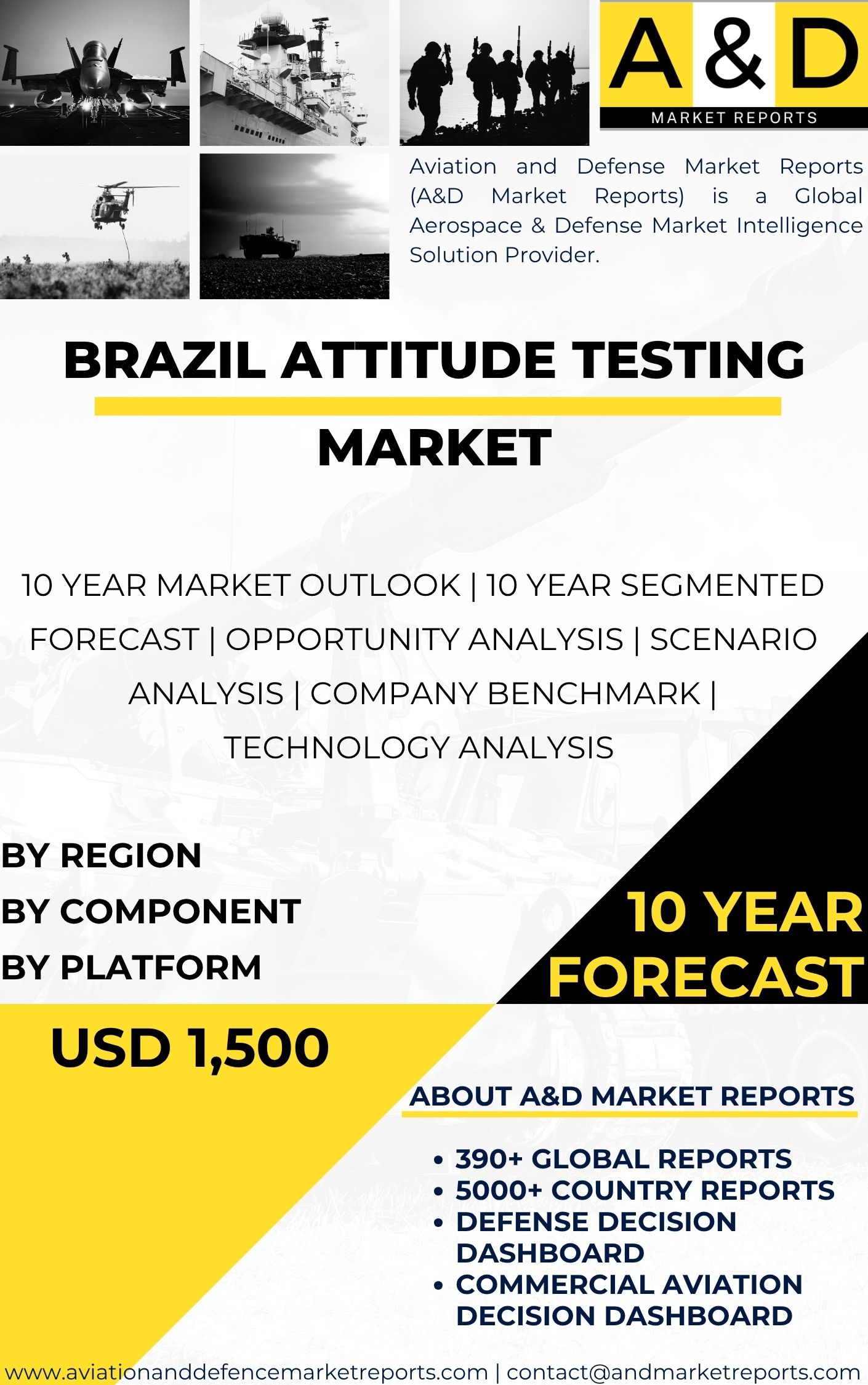
The Brazil Attitude Testing Market is experiencing notable growth and evolving rapidly due to technological advancements and increasing adoption across various sectors. This market, centered around the use of attitude sensors and related technologies, is projected to expand steadily as demand for high-precision sensing devices continues to rise. Attitude testing is primarily associated with measuring and analyzing the orientation, angular position, and rotational movement of objects, which is critical in aerospace, automotive, defense, robotics, and consumer electronics industries. As Brazil’s industries embrace automation and sophisticated navigation systems, the need for reliable attitude testing solutions becomes increasingly vital, fueling the development and commercialization of advanced testing equipment and methodologies.
Brazil’s positioning as a growing economy with expanding technological infrastructure provides a favorable environment for attitude testing market growth. The trend toward automation in several key industries such as aerospace and defense has heightened the demand for precise calibration and performance validation of attitude sensors. This includes applications in satellite and space vehicle testing, aircraft navigation systems, and autonomous vehicle development, where accuracy in attitude measurement directly influences performance and safety. The integration of attitude sensors in consumer electronics, including smartphones, wearables, and virtual reality devices, further amplifies market potential, with companies seeking to optimize products for better user experiences and functionality.
Technological innovation plays a crucial role in propelling the attitude testing market in Brazil. Advances in sensor miniaturization, increased sensitivity, and enhanced data processing capabilities have led to more robust and cost-effective testing solutions. These innovations enable more thorough testing protocols, improve the reliability and calibration procedures, and allow for real-time feedback during product development. Additionally, the rise of industrial automation and smart manufacturing is prompting companies to adopt sophisticated attitude testing systems to improve quality control, reduce failures, and streamline production processes.
The defense sector in Brazil is a key driver for the attitude testing market, particularly in the context of aerospace and missile systems, where rigorous testing ensures the operational integrity of complex defense systems. Brazil’s ongoing investments in defense modernization and aerospace initiatives necessitate comprehensive attitude testing solutions to meet stringent national and international standards. Furthermore, the country’s expanding satellite program and interest in space exploration add momentum to the demand for precise attitude measurement and testing systems to support space missions and satellite deployment.
In the aerospace industry, attitude testing is integral for spacecraft navigation, satellite positioning, and aircraft stability systems. Brazil’s strategic ambitions to bolster its aerospace capabilities include the development and testing of advanced navigation and stabilization systems, which require state-of-the-art attitude testing infrastructure. These activities contribute to the overall growth of the market and present opportunities for global and local companies to collaborate on cutting-edge projects. The increasing focus on research and development within the aerospace sector aligns with the broader trend of technological innovation, creating a fertile environment for market expansion.
The automotive industry in Brazil, especially with the push towards electric vehicles and autonomous driving technology, is also influencing the attitude testing market. As vehicles become more reliant on advanced sensors for stability, navigation, and safety features, the need for rigorous testing of attitude sensors and related components becomes critical. Self-driving cars, in particular, demand highly accurate attitude measurements to ensure safe operation, bringing further demand for specialized testing equipment and solutions.
Environmental factors and governmental policies are also shaping the attitude testing landscape in Brazil. Environmental regulations that promote technological innovation and infrastructure development have encouraged investment in advanced testing methods. National initiatives aimed at modernizing transportation, defense, and aerospace sectors are expected to sustain the growth trajectory of the attitude testing market. Moreover, collaborations between academia, research institutions, and industry players continue to foster innovation, facilitate knowledge exchange, and accelerate the deployment of new testing methodologies.
Overall, the outlook for Brazil attitude testing market remains positive, with growth driven by expanding industrial applications, technological innovations, and strategic government programs. As the country advances in aerospace, defense, automotive, and consumer electronics, demand for high-precision attitude testing solutions will continue to rise. The market is poised for significant development, with local and international companies focusing on developing innovative, cost-effective, and scalable testing systems to meet Brazil’s evolving technological needs and support its ambitions for sustainable growth and technological leadership in various high-tech sectors.