
Description
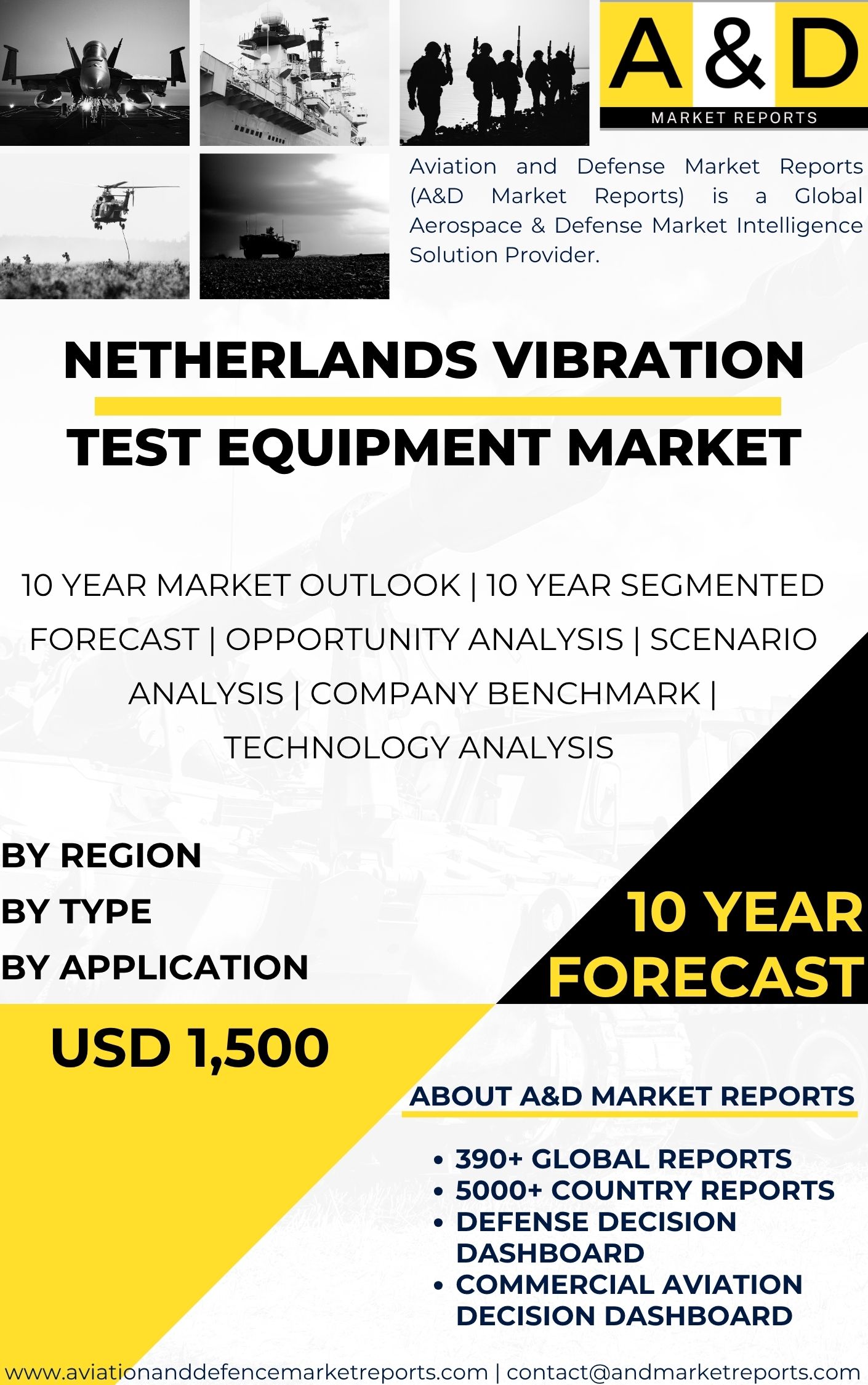
The Netherlands vibration test equipment market is a critical component of the aerospace and defense industry, supporting the evaluation and validation of structural and mechanical systems under dynamic stress conditions. Vibration testing is essential to ensure that aircraft, naval vessels, land vehicles, and defense electronics can withstand operational stresses, environmental challenges, and the rigors of transportation without failure. For the Netherlands, which maintains advanced fleets across air, land, and sea domains, vibration test equipment is indispensable in ensuring reliability, safety, and mission readiness.
Vibration test equipment simulates operational conditions such as turbulence, engine-induced vibrations, road or maritime movement, and shock impacts. By replicating these stresses, engineers can evaluate the durability of structural components, assemblies, and electronic systems. The Netherlands uses these systems to test fighter jets, helicopters, naval vessels, armored vehicles, and missiles, ensuring that components meet stringent defense and aerospace standards. Vibration testing also identifies potential weak points, enabling corrective actions before platforms are deployed.
Growth in the market is driven by the increasing complexity of defense and aerospace platforms. Modern aircraft and naval vessels feature advanced avionics, sensors, and composite materials, all of which require careful validation under operational stresses. For the Netherlands, vibration testing is crucial not only for new platforms but also for upgrading legacy systems and ensuring interoperability with NATO-standard equipment.
Technological advancements are transforming vibration test equipment. Multi-axis shakers, electrodynamic and hydraulic systems, and advanced sensors provide precise simulation of real-world forces. Integration with data acquisition systems, digital twin models, and AI-driven analytics enables engineers to monitor performance in real time, predict potential failures, and optimize system design. Portable and modular equipment allows field testing of components, complementing laboratory-based evaluation.
Cost efficiency and safety are important considerations. Vibration testing reduces the risk of component failure during operations, minimizes maintenance costs, and enhances the overall lifecycle of platforms. For Dutch forces, this ensures that aircraft, ships, and vehicles remain mission-ready while avoiding costly unplanned downtime.
Challenges include the high investment costs for advanced equipment, the need for specialized expertise, and maintaining compatibility with evolving platform designs. Additionally, high-fidelity testing of large platforms requires sophisticated infrastructure and controlled environments, which can be resource-intensive.
Looking ahead, the Netherlands vibration test equipment market is expected to grow in line with increased modernization and defense procurement programs. Future systems will likely incorporate more automation, AI-driven diagnostics, and enhanced integration with digital engineering platforms. Investments in vibration testing ensure that Dutch aerospace and defense systems remain reliable, safe, and fully capable of meeting operational requirements.