
Description
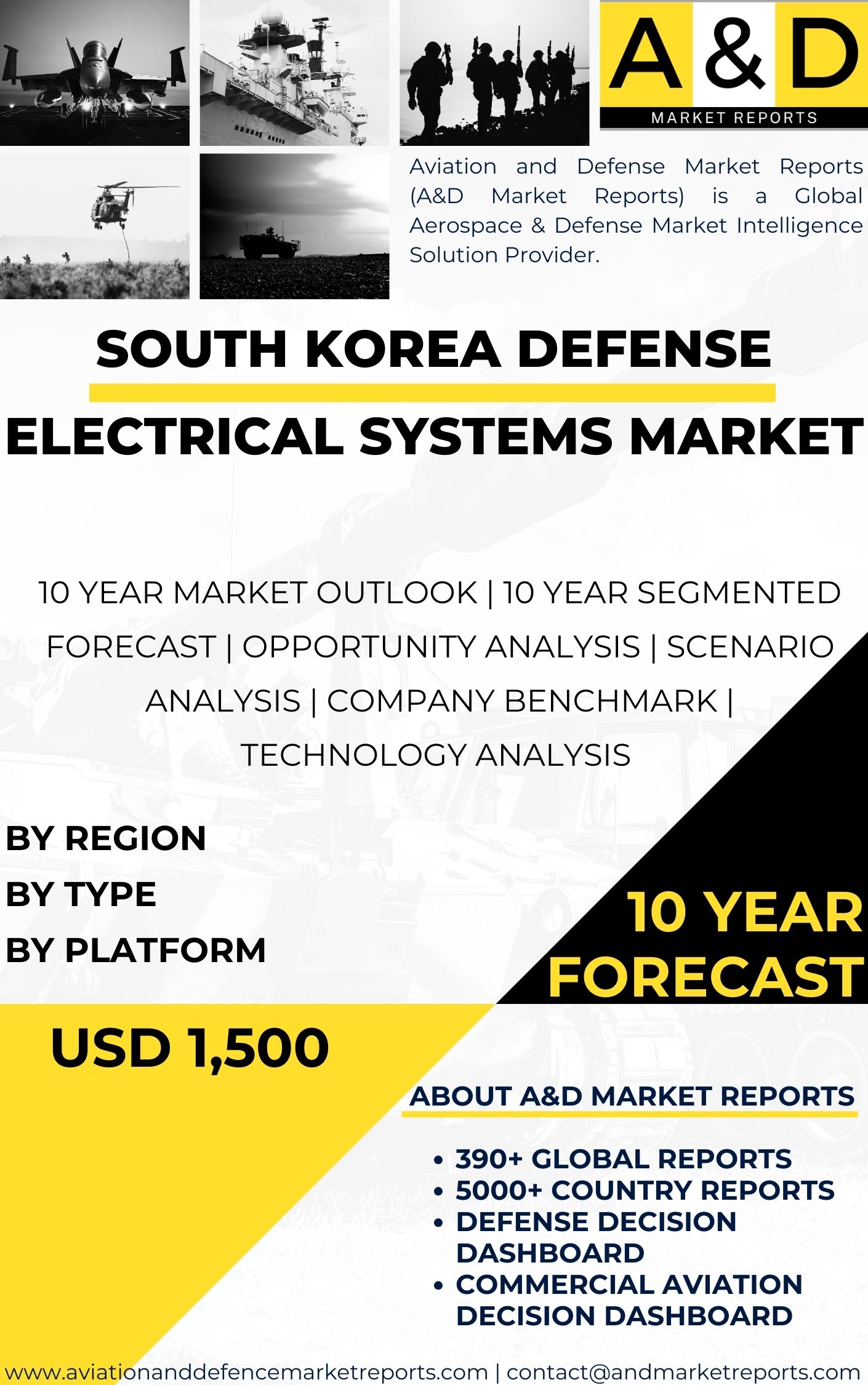
Defense Electrical Systems Market in South Korea: Overview
The Defense Electrical Systems Market in South Korea is growing at a strong pace. Growth is driven by defense modernization and rising regional security risks.
South Korea has increased defense spending between 2021 and 2025. The focus is on domestic development of advanced military systems. Electrical systems play a key role in this effort.
Major companies such as Hanwha Defense, LIG Nex1, Hyundai Rotem, and Korea Aerospace Industries lead the market. These firms integrate advanced electrical systems into aircraft, missile defense, armored vehicles, and artillery platforms.
Key Drivers of the Defense Electrical Systems Market in South Korea
Defense Modernization and Self-Reliance
South Korea prioritizes self-reliance in defense technology. The government supports local development and production.
Programs such as the KF-21 Boramae fighter highlight this push. Advanced electrical systems improve performance, safety, and mission effectiveness.
Rising Security Concerns
Ongoing regional tensions increase the need for advanced military readiness. Electrical systems support faster response, improved awareness, and secure operations.
Core Segments in Defense Electrical Systems
Hardware, Software, and Services
The market includes hardware, software, and support services. Hardware holds the largest share due to demand for durable equipment.
Systems must operate in extreme environments. Reliability and performance are critical.
Key System Types
Important system categories include:
-
Communication systems
-
Navigation systems
-
C4ISR platforms
-
Power and energy systems
-
Electronic warfare solutions
-
Display and control systems
Together, these systems form the backbone of modern defense platforms.
Technology Trends in Defense Electrical Systems
Artificial Intelligence and IoT Integration
AI and IoT improve real-time data processing. These tools support better decision-making and situational awareness.
South Korea invests heavily in smart defense systems. Automation and data analytics enhance mission success.
Growth of Unmanned and Electronic Warfare Systems
Unmanned platforms are gaining importance. Electrical systems support control, sensing, and electronic warfare tasks.
Government support and strong digital infrastructure drive this segment forward.
International Collaboration and Export Potential
Foreign Technology Partnerships
South Korea works with foreign suppliers for advanced subsystems. These include sensors, precision targeting tools, and cybersecurity solutions.
Such cooperation fills capability gaps and speeds innovation.
K-Defense Export Strategy
The government promotes defense exports through policy support. Technology sharing and joint development are encouraged.
As products meet NATO standards, acceptance in overseas markets continues to rise.
Procurement Framework and Industry Structure
Role of Defense Agencies
Organizations such as DAPA and ADD manage procurement and certification. They ensure systems meet strict performance rules.
Clear processes help reduce project risk and delays.
Industrial Hubs and R&D Support
Cities like Seoul, Incheon, and Busan serve as key centers. Government funding supports research and testing.
This ecosystem encourages long-term innovation.
Challenges in the Defense Electrical Systems Market in South Korea
The market faces several challenges:
-
High development costs
-
Complex system integration
-
Regulatory compliance demands
Supply chain issues briefly slowed progress during the pandemic. Recovery is now underway.
Future Outlook of the Defense Electrical Systems Market in South Korea
The Defense Electrical Systems Market in South Korea is set for steady expansion. Electrification, AI adoption, and unmanned platforms will shape future demand.
Companies that invest in innovation and compliance will gain an edge. Strong government backing and selective foreign collaboration will continue to support growth.
This market remains a vital pillar of South Korea’s aerospace and defense industry.