
Description
Market Overview and Technological Evolution
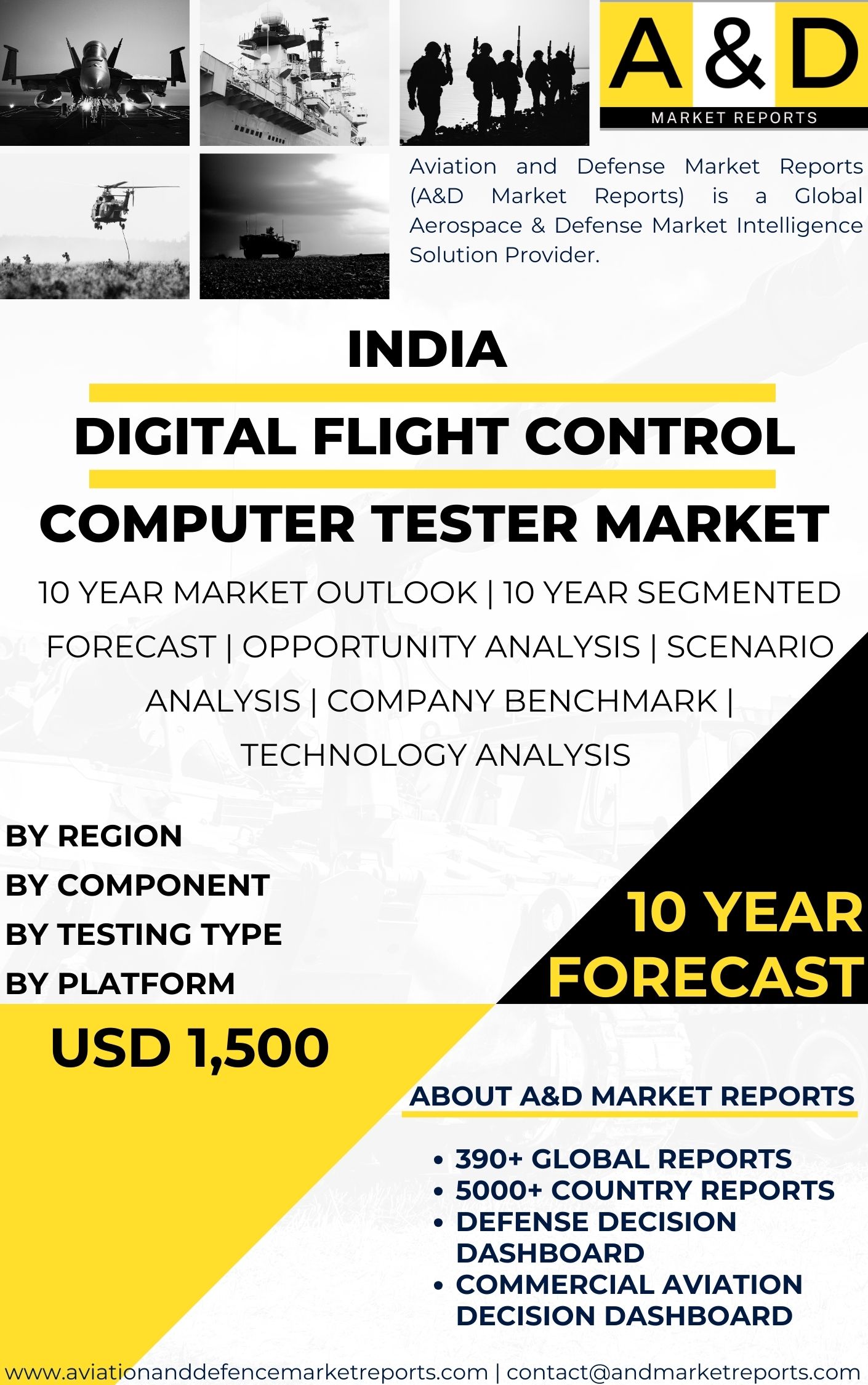
The India Digital Flight Control in India represents a highly specialized segment within aerospace and defense testing, playing a crucial role in ensuring aircraft safety, performance, and reliability, and as aviation systems continue to evolve, testing solutions must also become more advanced and precise, especially with the shift from mechanical systems to digital fly-by-wire architectures, which has significantly increased the importance of these testers, while digital flight control computers act as core processing units that manage aircraft stability and response, requiring testers to validate both hardware and software under multiple conditions including normal operations, extreme environments, and failure scenarios, and as a result, the market continues to expand alongside rapid advancements in avionics and automation technologies.
Engineering Complexity and Innovation
The market is defined by high engineering complexity and continuous innovation, as developing these testers requires expertise across multiple domains such as electronics, software engineering, and aerodynamics, and engineers must design systems that accurately simulate real flight conditions to ensure reliable performance, while testers now function as complete simulation platforms rather than simple diagnostic tools, replicating sensor inputs, environmental conditions, and system responses in real time, which enables early fault detection and system optimization, and consequently, continuous innovation ensures that testing solutions keep pace with rapidly evolving aircraft technologies and increasing system complexity.
Historical Development and Industry Growth
Historically, the development of this market aligns closely with the rise of digital flight control systems, as early aircraft relied on analog and mechanical controls that required simpler testing methods, but the introduction of digital fly-by-wire systems transformed testing requirements and led to the emergence of more advanced and software-driven platforms, while regulatory bodies and defense agencies have played a major role in shaping the market through strict safety and certification standards, and over time, this has resulted in a mature ecosystem supporting both commercial and military aviation, with the market continuing to evolve as new aerospace technologies emerge.
Key Players and Competitive Landscape
The market includes large aerospace and defense companies alongside specialized technology firms, and these organizations develop advanced testing systems while maintaining long-term partnerships with aircraft manufacturers, with their expertise spanning simulation, diagnostics, and system integration, creating a competitive yet collaborative environment, while smaller firms contribute by focusing on niche areas such as cybersecurity testing and fault simulation, and collaboration between industry players, government agencies, and research institutions drives innovation, resulting in continuous improvements in testing accuracy, efficiency, and reliability.
Economic Importance and Operational Impact
The economic significance of this market extends beyond testing equipment, as it directly impacts aircraft safety, operational efficiency, and maintenance costs, and reliable testers help reduce system failures and downtime, which is critical for both commercial airlines and military operations, while the market also supports regulatory compliance and certification processes by ensuring that aircraft meet strict safety standards, thereby reducing risks and enhancing overall aviation reliability, and consequently, investment in advanced testing systems remains a priority for both government and private sectors.
Emerging Trends and Technological Advancements
Several key trends are shaping the future of this market, including the integration of artificial intelligence and machine learning, which improve fault detection and predictive maintenance by enabling faster analysis and better decision-making, while digital twin technology allows engineers to simulate real-world conditions using virtual models, and cloud-based platforms enable remote testing and collaboration, increasing flexibility and reducing operational costs, and furthermore, cybersecurity has become a major focus due to increasing system connectivity and potential threats.
Continuous Improvement and Future Technologies
The market emphasizes continuous improvement to keep up with evolving aviation requirements, as testers are regularly upgraded to support new aircraft designs and technologies such as electric propulsion systems, autonomous aircraft, and urban air mobility solutions, while environmental considerations are also influencing product development, leading companies to focus on energy-efficient and compact testing systems, and this aligns with broader industry goals of sustainability and cost reduction, ensuring that innovation remains a key driver of market growth.
Regulatory and Compliance Framework
Regulation plays a central role in shaping the market, as aviation authorities enforce strict standards for safety and performance, requiring testers to meet these standards to ensure accurate validation of flight control systems, while military systems introduce additional layers of security and confidentiality, including export controls and data protection requirements, which add complexity to testing processes, and therefore, companies must ensure that their solutions comply with all regulatory and security standards to succeed in the market.
Industry Collaboration and Knowledge Sharing
Collaboration is a defining feature of this market, as partnerships between industry players, government agencies, and research institutions drive innovation and enable the sharing of knowledge and best practices, while academic institutions contribute by developing new technologies and training skilled professionals, ensuring a steady flow of expertise into the industry, and joint initiatives accelerate the adoption of advanced testing solutions, strengthening the overall market ecosystem and supporting continuous technological progress.
Challenges and Growth Opportunities
Despite its growth, the market faces several challenges, including high development costs, complex system integration, supply chain disruptions, and workforce shortages, which can impact innovation and deployment timelines, however, these challenges also create opportunities, as the demand for modernized aircraft and advanced testing systems continues to rise, and emerging sectors such as autonomous aviation and urban air mobility offer new avenues for expansion, ensuring that the market remains dynamic and forward-looking.
Conclusion
In conclusion, the Digital Flight Control Computer Tester market in India is a critical component of the aerospace and defense industry, ensuring the safety, reliability, and performance of modern aircraft systems, and it continues to evolve through innovation, collaboration, and regulatory compliance, while advancements in technology and increasing demand for automation are driving growth, and despite existing challenges, the market remains strong and is expected to play a vital role in shaping the future of aviation and ensuring safe flight operations worldwide.