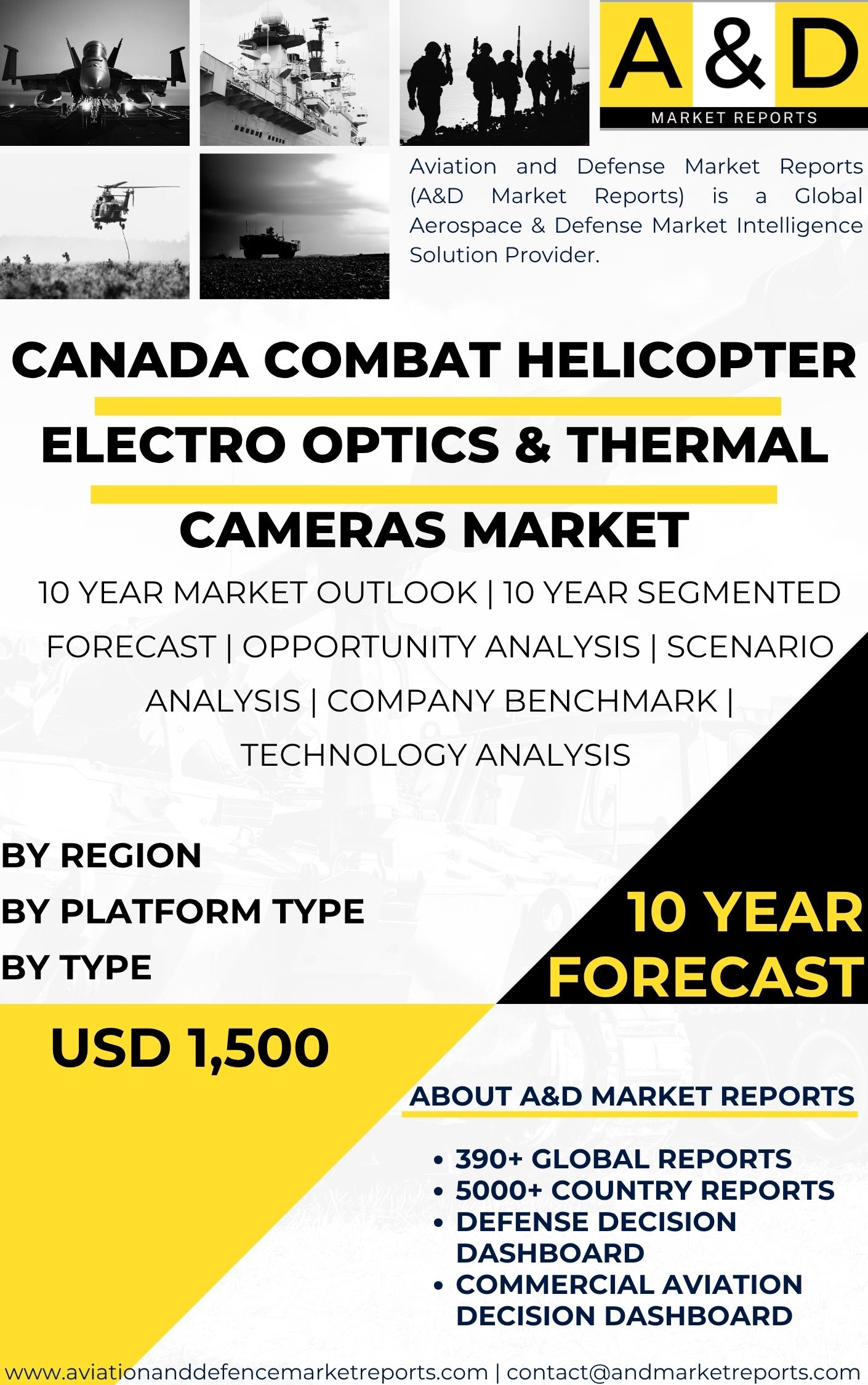
Canada Combat Helicopter Electro Optics & Thermal Cameras

$1,500.00

Enquire Now

The combat helicopter electro-optics and thermal cameras market in the Canada is deeply tied to the modernization of rotary-wing platforms essential for both battlefield mobility and direct attack capabilities. Electro-optical and infrared systems form the backbone of these helicopters? ability to detect, identify, and engage targets regardless of weather or visibility. Historically, optical targeting from helicopters was limited, but advancements in imaging and sensor technology transformed helicopters into formidable close-air support tools. U.S. defense contractors have led this transformation by integrating advanced stabilized turrets that house high-resolution electro-optic cameras, thermal imaging sensors, laser range-finders, and target designators. These systems allow helicopter crews to obtain real-time intelligence, support ground forces, and engage threats with precision. Market characteristics emphasize rugged construction, image stabilization in highly dynamic flight conditions, and seamless integration into broader avionics ecosystems. Thermal cameras, in particular, are vital in combat situations, enabling mission success during nighttime or obscured environments. Economically, the sector sustains major aerospace primes, defense research organizations, and optical technology specialists, creating a highly competitive yet innovation-focused industry. Trends point toward miniaturization of components, improved data transmission rates, and integration of artificial intelligence to enhance target recognition, all of which will shape the next wave of capability expansion. The U.S. combat helicopter electro-optics and thermal camera market thus represents a cornerstone of modern air combat proficiency, designed to elevate survivability and lethality in demanding operational theaters.

Go To Global Report Page Track this market real time on DDD

Description

Market Overview and Strategic Role

The Canada Combat Helicopter Electro  is closely linked to the modernization of rotary-wing aircraft that support both battlefield mobility and precision attack missions. These helicopters operate in demanding combat zones where visibility often changes rapidly. Therefore, advanced imaging systems play a central role in operational readiness. Electro-optical and infrared technologies enable crews to detect, identify, and engage targets in all weather conditions. As a result, they significantly enhance mission flexibility and response capability. In modern warfare, speed and accuracy are critical. Consequently, these systems have become essential components of helicopter upgrades and new platform development programs.

Evolution of Targeting and Imaging Capabilities

In earlier years, helicopter-based targeting systems offered limited range and clarity. Crews often depended on basic optical sights that struggled in low-light or poor weather conditions. However, improvements in sensor engineering and digital imaging changed the operational landscape. Advanced electro-optic cameras now deliver high-resolution visuals with greater zoom capability. At the same time, infrared sensors provide consistent performance during night operations. Because of these advancements, helicopters evolved into highly effective close-air support assets. This transformation expanded their battlefield role beyond transport and reconnaissance to include precision engagement missions.

Advanced System Integration and Technology

Modern defense contractors integrate stabilized turret systems that combine multiple sensor technologies within a single housing unit. These turrets typically include electro-optic cameras, thermal imaging sensors, laser range-finders, and laser target designators. Since helicopters face constant vibration and rapid maneuvering, stabilization technology ensures steady and accurate imaging. In addition, integration with onboard avionics allows real-time data sharing between aircrew and ground forces. This connectivity improves coordination and reduces response time during critical operations. As systems become more advanced, manufacturers focus on enhancing image processing speed and system reliability.

Operational Importance of Thermal Cameras

Thermal cameras remain vital in combat operations because they detect heat signatures rather than visible light. Therefore, crews can identify threats even in darkness, smoke, or fog. This capability increases mission success rates during nighttime and adverse conditions. Moreover, thermal imaging reduces reliance on external lighting sources, which lowers the risk of detection. Enhanced thermal sensitivity also improves early warning and defensive maneuvering. As modern combat often involves unpredictable environments, demand for high-performance thermal systems continues to grow steadily.

Economic Impact and Industry Dynamics

Economically, this market supports major aerospace companies, defense research institutions, and specialized optical technology firms. Large prime contractors manage integration and system-level upgrades. Meanwhile, smaller technology providers contribute innovative sensor designs and software solutions. Because defense programs require long-term funding commitments, the industry benefits from sustained investment cycles. Furthermore, research partnerships accelerate the development of next-generation capabilities. This collaborative ecosystem fosters competition while encouraging continuous innovation.

Future Trends and Capability Expansion

Looking ahead, several trends will shape the future of this sector. Manufacturers are reducing system size and weight to improve helicopter performance and fuel efficiency. At the same time, faster data transmission rates enable near-instant intelligence sharing across military networks. Artificial intelligence is also being integrated to enhance automatic target recognition and reduce operator workload. These advancements will improve precision, speed, and situational awareness. Ultimately, the combat helicopter electro-optics and thermal camera market in Canada represents a cornerstone of modern air combat capability, focused on increasing survivability and operational effectiveness in complex theaters.
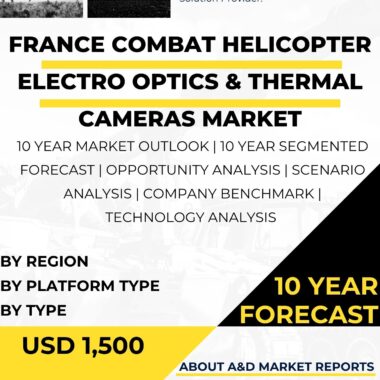
Table of content

Table Of Contents

1 Market Introduction

1.1 Market Introduction
1.2 Market Definition
1.3 Market Segmentation
1.4 10 Year Market Outlook

2 Market Technologies

3 Global Market Forecast

3.1 Global Market Forecast
3.2 By Platform
3.3 By Type

4 North America Market Trends & Forecast

4.1 Drivers, Restraints And Challenges
4.2 PEST
4.3 Market Forecast
4.3.1 Market Forecast By Platform
4.3.2 Market Forecast By Type
4.4 Scenario Analysis
4.5 Key Companies& Profiling

5 Canada Analysis

5.1 Current Levels Of Technology Maturation In This Market
5.2 Market Forecast
5.2.1 Market Forecast By Type
5.2.2 Market Forecast By Platform
5.3 Scenario Analysis
5.4 Country Defense Budget (Historical and 10- year forecast)
5.5 Defense Budget Category Spending- 10- year forecast
5.6 Procurement Analysis
5.7 EXIM Data
5.8 Patents

6 Opportunity Matrix

6.1 By Platform
6.2 By Type

7 Scenario Analysis

7.1 Scenario 1

7.1.1 By Platform (Scenario-1)
7.1.2 By Type (Scenario-1)

7.2 Scenario 2

7.2.1 By Platform (Scenario-2)
7.2.2 By Type (Scenario-2)

8 Company Benchmark

9 Strategic Conclusions

10 About Aviation And Defense Market Reports

Segments

By Type
By Platform Type

List of Tables

Table1: Global Market Forecast, Combat Helicopter Electro Optics & Thermal Cameras
Table2: North America Market Forecast, Combat Helicopter Electro Optics & Thermal Cameras
Table3: North America Market Forecast, By Type
Table4: North America Market Forecast, By Platform Type
Table5: North America, Scenario Analysis
Table6: Canada Market Forecast, Combat Helicopter Electro Optics & Thermal Cameras
Table7: Canada Market Forecast, By Type
Table8: Canada Market Forecast, By Platform Type
Table9: Canada, Scenario Analysis
Table 10: Canada Defense Budget 10 Year Forecast
Table 11: Canada, Defense Budget Category Spending- 10- year forecast
Table 12: Canada, Procurement Analysis
Table 13: Canada, EXIM Data Analysis
Table 14: Canada, Opportunity Analysis, By Type
Table 15: Canada, Opportunity Analysis, By Platform Type
Table 16: Canada, Scenario Analysis, By Type
Table 17: Canada, Scenario Analysis, By Platform Type

List of Figures

Figure 1: Market Segmentation, Canada Combat Helicopter Electro Optics & Thermal Cameras
Figure 2: Key Technology Analysis, Combat Helicopter Electro Optics & Thermal Cameras
Figure 3: Global Market Forecast, Combat Helicopter Electro Optics & Thermal Cameras
Figure 4: North America, Market Forecast, Combat Helicopter Electro Optics & Thermal Cameras
Figure 5: North America, Market Forecast, By Type
Figure 6: North America, Market Forecast, By Platform Type
Figure 7: North America, Scenario Analysis
Figure 8: Canada, Market Forecast, Combat Helicopter Electro Optics & Thermal Cameras
Figure 9: Canada, Market Forecast, By Type
Figure 10: Canada, Market Forecast, By Platform Type
Figure 11: Canada, Scenario Analysis
Figure 12: Canada, Defense Budget 10 Year Forecast
Figure 13: Canada, Defense Budget Category Spending- 10- year forecast
Figure 14: Canada, Procurement Analysis
Figure 15: Canada, EXIM Data Analysis
Figure 16: Canada, Opportunity Analysis, By Type
Figure 17: Canada, Opportunity Analysis, By Platform Type
Figure 18: Canada, Scenario Analysis, By Type
Figure 19: Canada, Scenario Analysis, By Platform Type
Figure 20: Company Benchmark

Aviation and Defense Market Reports


TPA | TIA | Consulting | Market Reports | Defense Decision Dashboard


Our Defense Report - Our Team Has Worked on More Than 250+ Individual Products / Markets