
Description
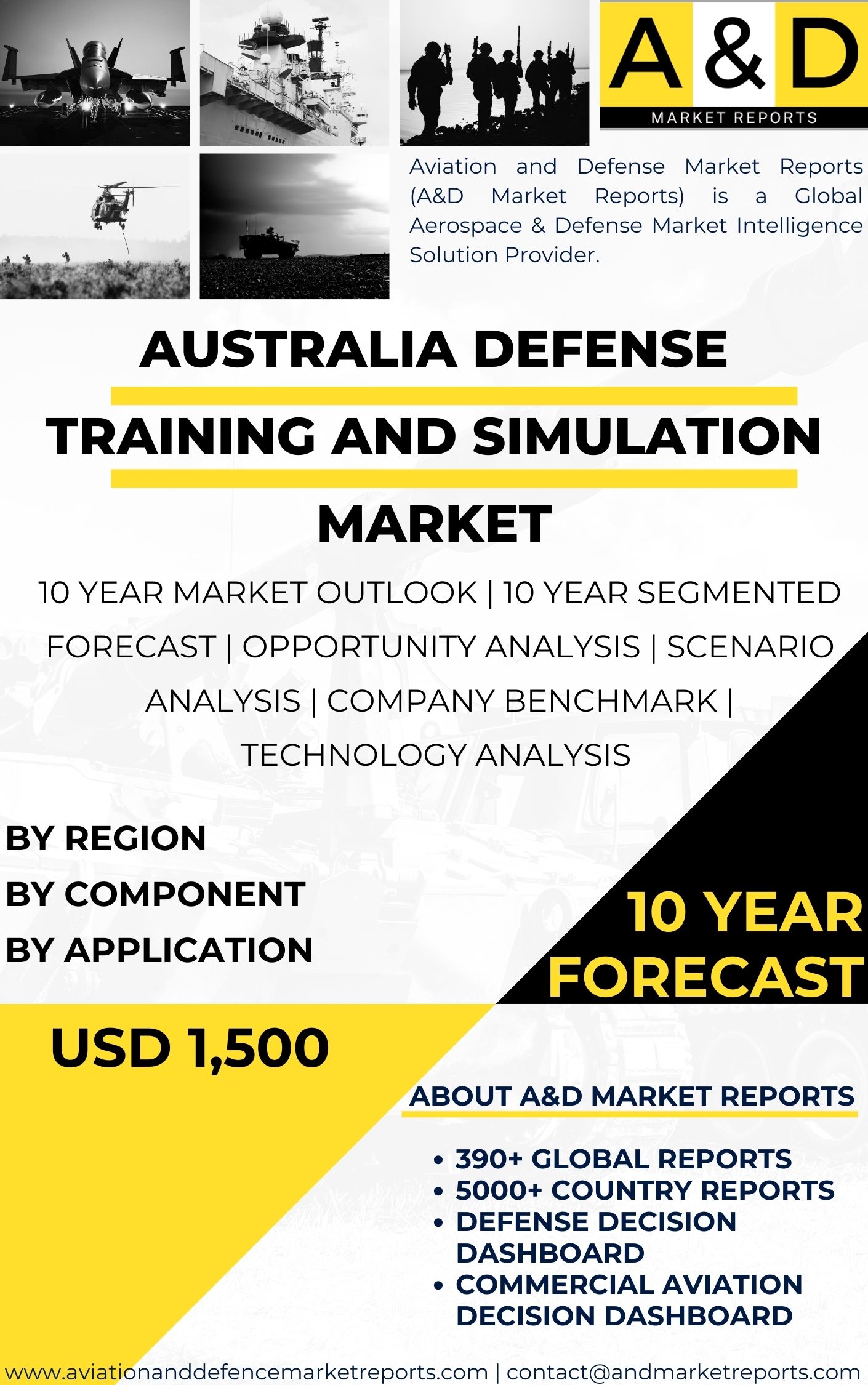
Australia Defense Training and Simulator Market Overview
The Australia Defense Training and Simulator Market is a rapidly growing and vital segment of the nation’s defense sector. Training systems and simulators provide realistic, immersive environments for land, air, and naval missions. They enable the Australian Defence Force (ADF) to train safely while reducing costs associated with live exercises. These technologies strengthen operational readiness, build essential skills, and prepare personnel for high-risk, complex scenarios. With continuous technological advancements, defense simulators are becoming an indispensable part of Australia’s military modernization strategy.
Importance of Defense Training and Simulation in Australia
Simulators allow personnel to train for complex and high-risk operations without exposure to real-world dangers. They replicate combat situations, tactical maneuvers, and emergency response scenarios. Controlled virtual environments give soldiers the opportunity to rehearse critical skills, make decisions under pressure, and refine strategic thinking. Repeated training sessions enhance reaction times and reinforce muscular memory. By using simulation technology, the ADF improves preparedness while minimizing potential operational and training risks.
Operational Readiness in the Australia Defense Training and Simulator Market
Advanced platforms such as fighter jets, armored vehicles, and naval ships require specialized training, which can be limited due to cost, safety, or availability constraints. Simulators allow personnel to practice operating these platforms repeatedly, improving proficiency in weapon systems and mission procedures. They also reduce wear and tear on expensive assets and eliminate risks associated with live exercises. By enabling frequent, safe, and adaptable training, simulation systems contribute directly to the operational effectiveness of the ADF.
Joint and Collective Training Capabilities
The Australia Defense Training and Simulator Market enhances interoperability across ADF branches and allied forces. Simulators create a shared environment for joint training, allowing personnel from different services and partner nations to coordinate effectively. Standardized training reduces errors during live operations and strengthens communication protocols. By fostering collaboration and unified procedures, simulation systems support coordinated mission execution and prepare forces for multinational and combined operations.
Key Drivers of the Australia Defense Training and Simulator Market
Cost-effectiveness, flexibility, and technology adoption drive market growth. Simulators reduce expenses related to live firing, logistics, and asset deployment while offering quick scenario adaptation and repeatable exercises. Emerging technologies such as artificial intelligence, virtual reality, augmented reality, and advanced data analytics make training environments more realistic and responsive. These innovations enhance skill development, decision-making, and mission preparedness across multiple operational domains.
Role of Research and Industry Collaboration
Collaboration between defense companies, technology providers, and universities accelerates innovation in simulation technology. Research programs develop high-fidelity virtual environments, AI-driven scenario adjustments, and immersive training experiences. These partnerships enhance realism, optimize training outcomes, and prepare personnel for real-world operations. Domestic collaboration ensures that Australia maintains a competitive advantage in defense simulation technologies while fostering workforce expertise and innovation capacity.
Government Support and Procurement Influence
Government policies and procurement strategies strongly impact the development and adoption of simulation systems. Long-term funding supports research, technology upgrades, and equipment acquisition, ensuring that the ADF remains technologically advanced. Strategic investment allows Australia to maintain effective training programs aligned with evolving threats and operational requirements. Stable government support ensures continuous modernization and operational readiness of military personnel.
Cybersecurity Needs in Defense Simulations
As simulation systems increasingly connect to defense networks, robust cybersecurity measures are essential. Protecting sensitive training data and virtual environments prevents unauthorized access, tampering, and cyberattacks. Secure systems allow simulations to reflect realistic operational threats without compromising mission integrity. By integrating strong cybersecurity protocols, the ADF ensures that its training platforms remain safe, reliable, and effective for preparing personnel for real-world operations.
Conclusion
The Australia Defense Training and Simulator Market is central to building ADF operational readiness, efficiency, and adaptability. Simulators provide safe, realistic, and cost-effective training environments for personnel across air, land, and naval platforms. With ongoing investment in advanced technologies, research partnerships, and cybersecurity, Australia can enhance training quality and maintain superior defense capabilities. These systems ensure that ADF personnel are skilled, confident, and prepared to execute complex missions in a rapidly evolving security environment.