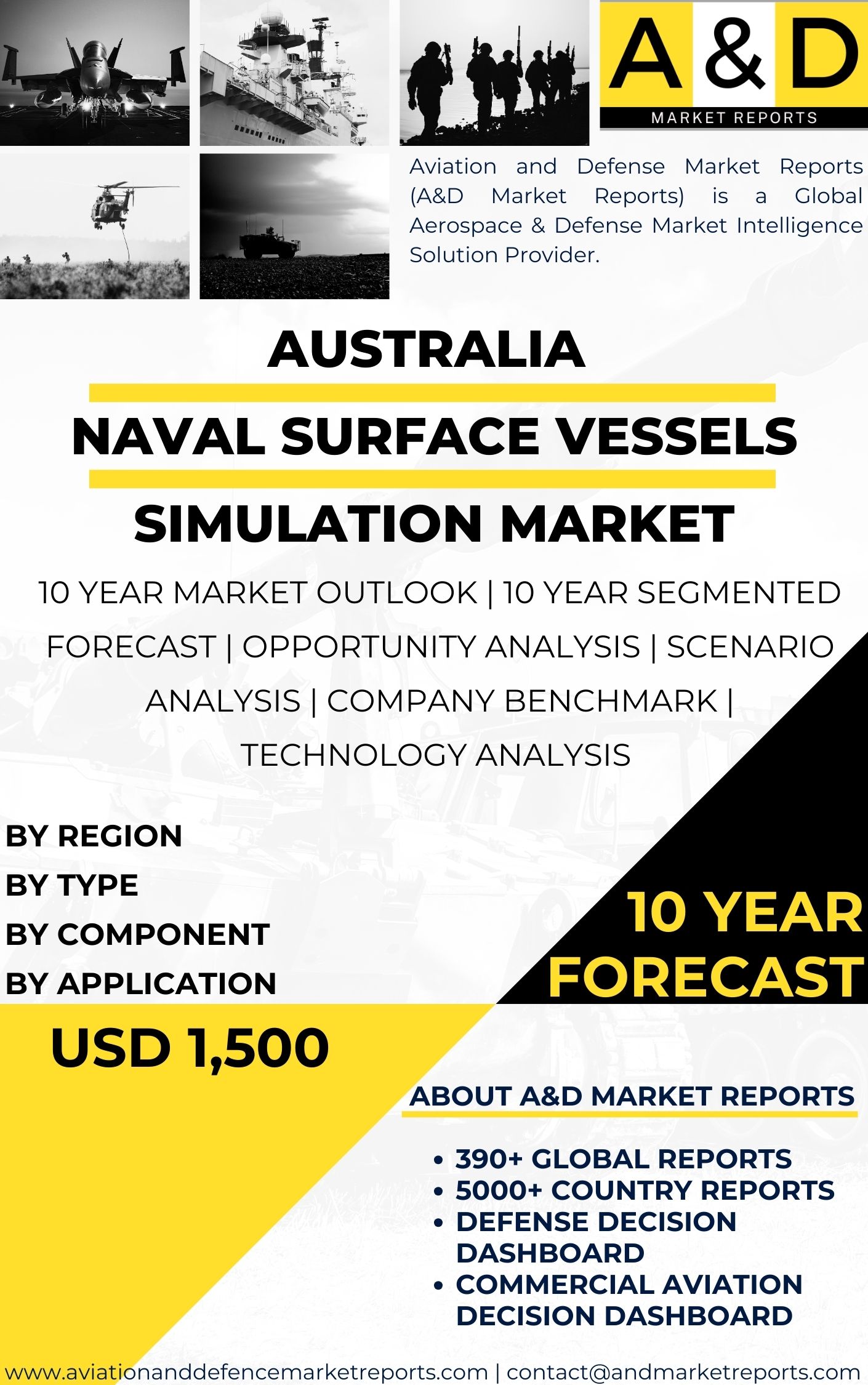
Australia Naval Surface Vessels Simulation Market

$1,500.00

Enquire Now

The naval surface vessels simulation market in Australia is becoming increasingly vital due to the need for sophisticated training and operational readiness within the country’s naval forces. Simulations of naval surface vessels replicate the intricate and multi-dimensional nature of naval operations, including maritime security, anti-surface and anti-air warfare, escort and patrol missions, and humanitarian assistance. This market growth is driven by Australia?s strategic emphasis on protecting its extensive coastline, ensuring maritime sovereignty, and enhancing defense capabilities against evolving regional threats in the Indo-Pacific region. As naval surface vessel roles expand, training environments must evolve to provide realistic, repeatable, and cost-efficient scenarios where naval personnel can refine their skills in navigation, tactical decision-making, and coordinated fleet operations without the risks and expenses associated with live exercises.

Go To Global Report Page Track this market real time on DDD

Description

Naval Surface Vessels Simulation Market in Australia Overview

The Naval Surface Vessels Simulation is gaining strong importance. This growth supports training and operational readiness for naval forces. Simulation systems help crews practice complex missions in a safe environment. These systems reduce risk and lower training costs.

Australia focuses on maritime security and coastline protection. As naval roles expand, realistic training becomes essential. Simulation allows crews to improve navigation, coordination, and decision-making.

Importance of Naval Surface Vessel Simulation in Australia

Naval operations involve many mission types. These include patrol, escort, combat, and humanitarian support. Simulation helps crews train for all scenarios.

The naval surface vessels simulation market in Australia supports repeatable and controlled training. Crews can practice without using live ships. This saves resources and improves readiness.

Technology Advancements in Naval Simulation Systems

Virtual Environments and Bridge Simulators

Modern simulators create realistic sea and weather conditions. They include visibility changes and navigation challenges. Bridge simulators provide real ship control experiences.

Radar and sonar systems are fully integrated. This prepares crews for crowded and hostile waters.

Artificial Intelligence and Threat Simulation

Artificial intelligence improves realism in training scenarios. It simulates enemy movement and combat threats. Electronic warfare and cyber scenarios are also included.

These features help crews react faster during real missions.

Augmented and Mixed Reality Training

Augmented reality supports hands-on training. Crews practice damage control and firefighting safely. Maintenance procedures can also be trained without risk.

This improves confidence and skill accuracy.

Role of Naval Modernization in Market Growth

Australia continues to modernize its naval fleet. New ships and systems require advanced training tools. Simulation helps crews adapt quickly to new platforms.

The naval surface vessels simulation market in Australia supports training for autonomous and unmanned vessels. These systems demand higher skill levels and advanced practice.

Simulation for Strategic Planning and Readiness

Simulation supports operational planning and mission testing. Commanders can test tactics before real deployment. This improves mission success and safety.

Crews can train for rare but critical scenarios. Examples include major combat events and cyber attacks.

Coalition Training and Interoperability

Australia conducts joint naval exercises with partner nations. Simulation systems support shared training environments. These platforms allow coordinated fleet operations.

Standardized simulation improves communication and response speed. This strengthens coalition readiness in shared waters.

Government Support and Industry Collaboration

Government funding supports growth in the naval surface vessels simulation market in Australia. Investment focuses on defense readiness and capability development. Local research and production reduce external dependency.

Collaboration between defense bodies, industry, and universities drives innovation. These partnerships speed up technology deployment.

Sustainable and Cost-Efficient Training Solutions

Simulation reduces fuel use and ship wear. It lowers environmental impact compared to live exercises. Training can continue while ships are docked.

This approach improves efficiency and readiness. It also supports long-term resource management.

Market Outlook and Conclusion

The naval surface vessels simulation market in Australia continues to expand steadily. National security needs and regional maritime dynamics drive demand. Technology innovation strengthens training quality.

Artificial intelligence, virtual environments, and networked systems enhance simulation value. As naval capabilities evolve, simulation will remain a core training tool. This positions Australia for strong and sustained market growth.
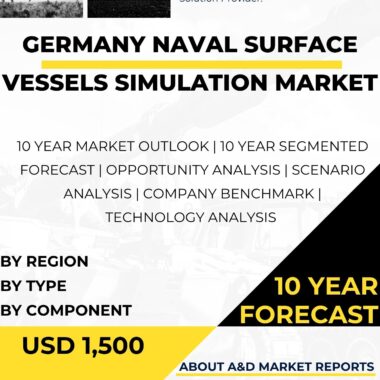
Table of content

Table Of Contents

1 Market Introduction

1.1 Market Introduction
1.2 Market Definition
1.3 Market Segmentation
1.4 10 Year Market Outlook

2 Market Technologies

3 Global Market Forecast

3.1 Global Market Forecast
3.2 By Type
3.3 By Component

4 APAC Market Trends & Forecast

4.1 Drivers, Restraints And Challenges
4.2 PEST
4.3 Market Forecast
4.3.1 Market Forecast By Type
4.3.2 Market Forecast By Component
4.4 Scenario Analysis
4.5 Key Companies& Profiling

5 Australia Analysis

5.1 Current Levels Of Technology Maturation In This Market
5.2 Market Forecast
5.2.1 Market Forecast By Component
5.2.2 Market Forecast By Type
5.3 Scenario Analysis
5.4 Country Defense Budget (Historical and 10- year forecast)
5.5 Defense Budget Category Spending- 10- year forecast
5.6 Procurement Analysis
5.7 EXIM Data
5.8 Patents

6 Opportunity Matrix

6.1 By Type
6.2 By Component

7 Scenario Analysis

7.1 Scenario 1

7.1.1 By Type (Scenario-1)
7.1.2 By Component (Scenario-1)

7.2 Scenario 2

7.2.1 By Type (Scenario-2)
7.2.2 By Component (Scenario-2)

8 Company Benchmark

9 Strategic Conclusions

10 About Aviation And Defense Market Reports

Segments

By Type
By Component

List of Tables

Table1: Global Market Forecast, Naval Surface Vessels Simulation Market
Table2: APAC Market Forecast, Naval Surface Vessels Simulation Market
Table3: APAC Market Forecast, By Type
Table4: APAC Market Forecast, By Component
Table5: APAC, Scenario Analysis
Table6: Australia Market Forecast, Naval Surface Vessels Simulation Market
Table7: Australia Market Forecast, By Type
Table8: Australia Market Forecast, By Component
Table9: Australia, Scenario Analysis
Table 10: Australia Defense Budget 10 Year Forecast
Table 11: Australia, Defense Budget Category Spending- 10- year forecast
Table 12: Australia, Procurement Analysis
Table 13: Australia, EXIM Data Analysis
Table 14: Australia, Opportunity Analysis, By Type
Table 15: Australia, Opportunity Analysis, By Component
Table 16: Australia, Scenario Analysis, By Type
Table 17: Australia, Scenario Analysis, By Component

List of Figures

Figure 1: Market Segmentation, Australia Naval Surface Vessels Simulation Market
Figure 2: Key Technology Analysis, Naval Surface Vessels Simulation Market
Figure 3: Global Market Forecast, Naval Surface Vessels Simulation Market
Figure 4: APAC, Market Forecast, Naval Surface Vessels Simulation Market
Figure 5: APAC, Market Forecast, By Type
Figure 6: APAC, Market Forecast, By Component
Figure 7: APAC, Scenario Analysis
Figure 8: Australia, Market Forecast, Naval Surface Vessels Simulation Market
Figure 9: Australia, Market Forecast, By Type
Figure 10: Australia, Market Forecast, By Component
Figure 11: Australia, Scenario Analysis
Figure 12: Australia, Defense Budget 10 Year Forecast
Figure 13: Australia, Defense Budget Category Spending- 10- year forecast
Figure 14: Australia, Procurement Analysis
Figure 15: Australia, EXIM Data Analysis
Figure 16: Australia, Opportunity Analysis, By Type
Figure 17: Australia, Opportunity Analysis, By Component
Figure 18: Australia, Scenario Analysis, By Type
Figure 19: Australia, Scenario Analysis, By Component
Figure 20: Company Benchmark

Aviation and Defense Market Reports


TPA | TIA | Consulting | Market Reports | Defense Decision Dashboard


Our Defense Report - Our Team Has Worked on More Than 250+ Individual Products / Markets