
Description
Overview of Belgium’s Defense Composites
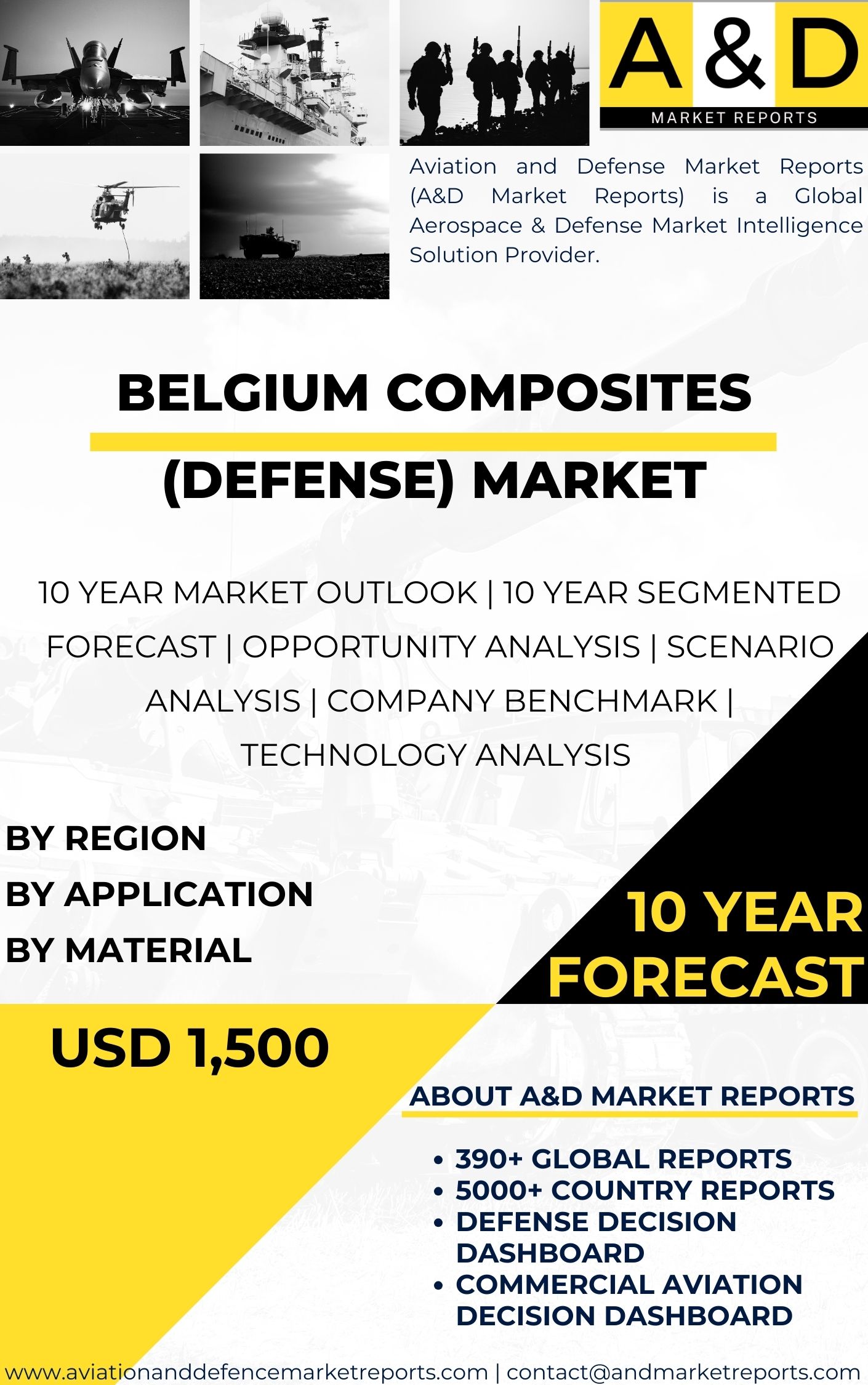
The Belgium Composites (Defense) Market within the defense sector represents an increasingly important segment of the country’s defense industry. Specifically, advanced composites are engineered materials that offer remarkable strength, lightweight properties, and superior resistance to corrosion or fatigue.
Belgium heavily recognizes the tactical significance of these next-generation materials. Consequently, the nation actively integrates them into its military infrastructure to enhance overall defense capabilities, improve combat vehicle performance, and reduce the heavy load of modern military equipment.
Key Market Drivers and the F-35 Program
The primary driver for this specialized market is the critical need for lightweight, ultra-durable materials across modern military platforms. Composites provide excellent strength-to-weight ratios. Therefore, these materials enable engineers to develop lighter, faster, and more agile equipment. By systematically reducing the weight of hardware, composites successfully enhance troop mobility, maximize fuel efficiency, and extend operational ranges without sacrificing structural integrity.
Currently, this material transition is creating massive opportunities for local manufacturers. For instance, the BeLightning consortium—a powerful alliance between SABCA, Sonaca, and Asco—has launched automated production lines in Belgium to manufacture the critical composite tail sections for the international F-35 fighter jet program.
As a result of this massive aerospace contract, the domestic defense industry has rapidly accelerated its technical footprint. Furthermore, these high-tech capabilities foster deeper local innovation, secure hundreds of skilled job opportunities, and generate millions of euros in economic returns.
International Collaborations and NATO Alignment
In addition to domestic production, close collaborations with international partners are vital for the market. Belgium frequently engages in joint research with defense companies from NATO member states and other allied nations. By doing so, the country effectively gains access to advanced material science, benefits from shared development costs, and ensures total structural interoperability with allied forces.
Similarly, Belgium’s active participation in multinational defense initiatives heavily shapes the manufacturing landscape. Continuous collaboration within NATO frameworks promotes joint training exercises and the rapid exchange of technical best practices. Consequently, this deep industrial cooperation ensures complete operational compatibility when deploying composite-based systems alongside global allies.
Current Market Challenges
Despite rapid economic growth, the Belgium defense composites market must continuously navigate three major challenges: rapid technological updates, strict certification rules, and supply chain vulnerabilities.
1. Fast-Paced Technological Updates
First, composite chemistry moves incredibly fast. Ongoing breakthroughs in automated fiber placement (AFP) and new resin matrix systems require constant research and development. To maintain its competitive edge, the Belgian market must remain at the absolute forefront of industrial innovation.
2. Stringent Airworthiness Certification
Second, certification requirements play a mandatory role in the adoption of these new materials. Composites used in critical flight components or armored vehicle panels must pass punishing ballistic and structural tests. Therefore, Belgium’s defense industry must adhere to rigorous certification timelines to prove absolute reliability in demanding combat zones.
3. Supply Chain Vulnerabilities
Finally, maintaining a resilient supply chain presents a persistent hurdle. Sourcing high-quality raw carbon fibers, managing specialized autoclaves, and training a highly skilled technical workforce require a stable industrial environment. Consequently, defense planners must actively build localized supply routes to prevent manufacturing bottlenecks during global shortages.
Future Outlook
In conclusion, the Belgium defense composites market stands as a foundational pillar of modern military engineering. These advanced material solutions completely transform how factories build aircraft, naval components, and tactical gear.
Moving forward, the demand for high-strength, low-weight structures will inevitably rise as global security threats evolve. As a result, this ongoing technology cycle will continue to secure steady industrial expansion, deep international alliances, and robust economic growth for the foreseeable future.