
Description
Tactical Value of Advanced Flight Headgear
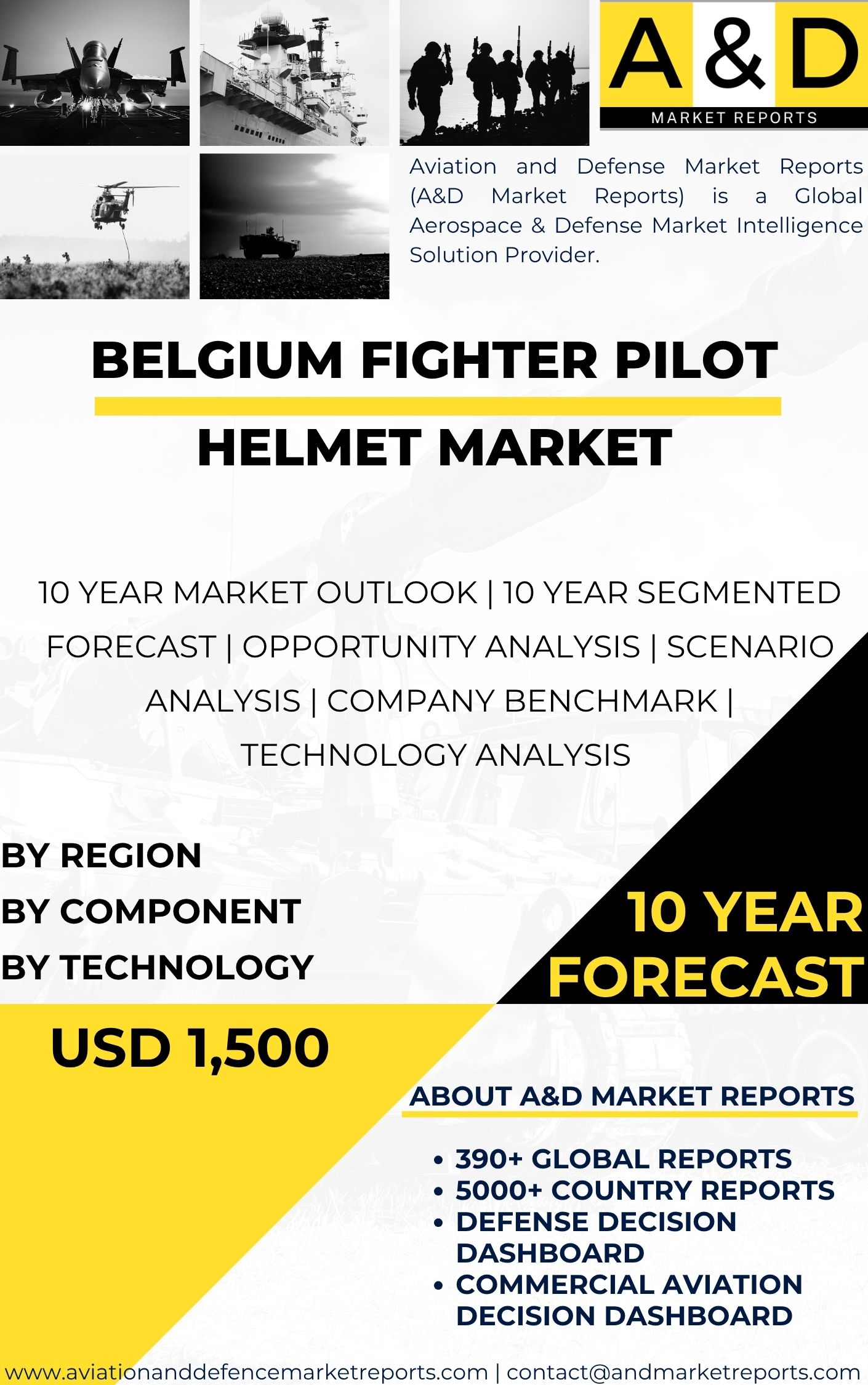
Belgium fighter pilot helmet market is a critical segment of the country’s defense aviation infrastructure. This specialized industry reflects the urgent need for advanced headgear that maximizes pilot safety.
First of all, protective helmets remain integral to modern combat aircraft operations. They shield pilots against blunt impacts and crushing high-G forces during rapid aerial maneuvers.
Consequently, these systems directly support the Air Component’s fleet modernization goals. The air force currently manages a major structural transition from legacy fourth-generation F-16 platforms to advanced fifth-generation F-35A lightning stealth fighters.
Therefore, pilots need next-generation helmets that satisfy strict NATO safety and technical interoperability standards. The domestic market responds to both local defense requirements and European collaborative manufacturing programs. This coordination ensures that Belgian pilots receive headgear capable of performing under demanding operational conditions.
Avionics Integration and Lightweight Materials
Furthermore, the Belgian fighter pilot helmet market heavily emphasizes high protection levels, ergonomic design, and digital tech integration. Engineers design modern helmets to withstand intense acceleration forces and severe environmental hazards.
As a result, factories utilize advanced materials like lightweight carbon fiber composites, rugged Kevlar, and high-strength polymers. These materials reduce physical weight without compromising structural integrity.
In addition, this weight reduction successfully enhances pilot endurance and minimizes neck fatigue during tight combat turns. Beyond physical armor, modern pilot helmets incorporate state-of-the-art avionics and secure communication systems.
Specifically, they feature advanced helmet-mounted displays (HMDs). These systems project critical flight, targeting, and situational data directly into the pilot’s line of sight. Consequently, this digital capability allows pilots to engage targets and navigate complex airspace with superior speed. This immediate projection completely reduces their reliance on traditional cockpit instrumentation.
Audio Innovation and NATO Flight Simulation
Moreover, Belgium’s helmet market focuses heavily on integrating audio, visual, and multi-spectral sensor systems. For instance, manufacturers install digital noise-canceling communication equipment and bone-conduction audio devices.
Therefore, these voice-activated controls allow pilots to maintain constant communication with wingmen while minimizing their overall cognitive workload. Night vision compatibility and augmented reality overlays are also standard features today.
Similarly, eye-tracking technologies are increasingly common. These sensors enhance operational capability in low-visibility environments and complex combat zones.
Belgian defense contractors work closely with European aerospace partners to develop these systems. This close collaboration ensures total compliance with NATO standards across allied aircraft platforms. Finally, the market addresses specialized training and simulation requirements. Engineers integrate these advanced helmet systems directly into flight simulators. This connectivity provides realistic mission rehearsal, boosting pilot readiness and factory operational efficiency.
Overcoming High Development Costs
Finally, notable financial and engineering challenges exist within the Belgian flight helmet market. The primary hurdles include high research and development costs alongside rapid technological evolution.
Firms must continuously upgrade helmet architectures to incorporate newer sensor technologies, display screens, and digital communication interfaces. At the same time, they must maintain stringent protective safety standards.
In conclusion, Belgium addresses these complex hurdles through collaborative development programs and strategic government funding. Strong partnerships with specialized European aerospace firms also protect the local market. These joint efforts sustain an industry characterized by high performance, constant innovation, and total operational reliability.