
Description
The Core of Belgium’s Aerospace Testing
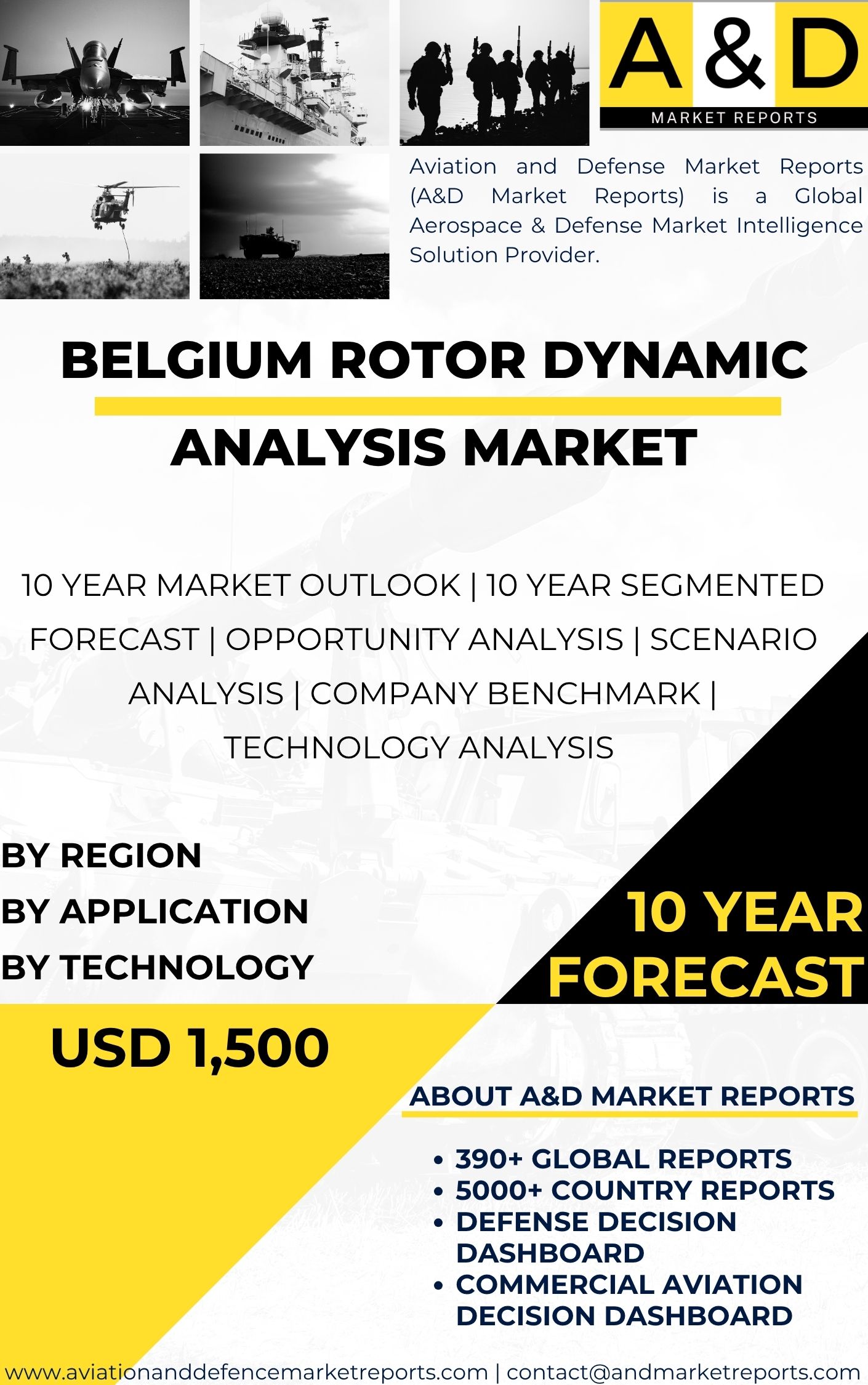
Belgium Rotor dynamic analysis Market forms a critical part of its aerospace and defense testing landscape. This specialized field focuses entirely on how rotating machinery behaves under various operating conditions. Specifically, rotor dynamics helps engineers understand the vibrations, stability, and performance of complex systems. These systems include turbines, helicopter rotors, jet engines, and other high-speed rotating equipment.
Consequently, this type of analysis is indispensable in the aerospace and defense industries. When dealing with high-speed machinery, even minor instabilities can lead to significant safety risks. Furthermore, these issues can cause performance degradation or costly failures in the field.
Supporting European Aerospace and Defense
In Belgium, the demand for rotor dynamic analysis connects directly to the country’s engineering sector. Belgian firms provide high-quality engineering services and precision components to European aerospace programs. Therefore, local aircraft engines, helicopters, and unmanned aerial vehicles (UAVs) all rely heavily on these testing methods.
To support these programs, Belgian research centers and engineering firms offer advanced testing and simulation services. They accurately replicate harsh operational conditions such as high speeds, varying loads, and extreme environmental stresses. As a result, they can validate system safety before deployment.
Key Applications and Engineering Challenges
Rotor dynamic analysis in Belgium covers a wide range of essential activities. For instance, engineers regularly perform vibration testing, modal analysis, stability assessments, and fault diagnostics. They apply these techniques across multiple defense platforms, ranging from military jet engines to naval propulsion systems and space turbines.
Lately, the importance of this analysis has grown significantly. Modern defense platforms increasingly incorporate lighter materials and more complex geometries to enhance fuel efficiency. These design innovations are highly beneficial. However, they also introduce brand-new challenges in stability and vibration behavior that require advanced analysis to solve.
Meeting Strict International Standards
Belgium’s active participation in NATO and the European Defence Agency ensures that its testing capabilities remain world-class. Because of these alliances, local testing aligns perfectly with strict international interoperability and safety standards.
Helicopter platforms are of particular importance here because they rely entirely on complex rotor systems for lift and maneuverability. Dynamic instabilities or excessive vibrations can severely compromise mission effectiveness. Therefore, rigorous analysis is a daily necessity. Belgium’s continuous investments in helicopter operations further drive the growth of this specialized market.
The Shift Toward Digital Technology
The technological landscape of rotor dynamic analysis in Belgium is evolving rapidly. Today, digital simulation tools and computational modeling enable highly detailed predictions of rotor behavior. By utilizing these tools, engineers can safely reduce their reliance on costly physical prototypes.
Furthermore, real-time monitoring systems now allow engineers to collect data continuously during live tests. This continuous data stream greatly improves predictive maintenance capabilities. Ultimately, this technology extends the lifecycle of critical military systems and reduces overall operational costs. The adoption of digital twins and AI-driven analytics enhances Belgium’s ability to mitigate mechanical issues before they ever happen.
Research Partnerships and Future Growth
Belgian academic institutions and research organizations play a vital role in supporting this market. Through close collaborations, they ensure that Belgium’s expertise integrates into broader international projects. These strategic partnerships often focus on next-generation propulsion systems, hybrid-electric technologies, and green sustainability initiatives.
Finally, the broader defense sector benefits from these analytical breakthroughs. Beyond aircraft, engineers apply rotor dynamics to naval propulsion systems, missile technologies, and armored vehicle powertrains. Optimizing these rotating components ensures that Belgium’s defense forces maintain high operational readiness and reliability for years to come.