
Description
🛡️ Brazil’s Counter-Drone Market: National Security
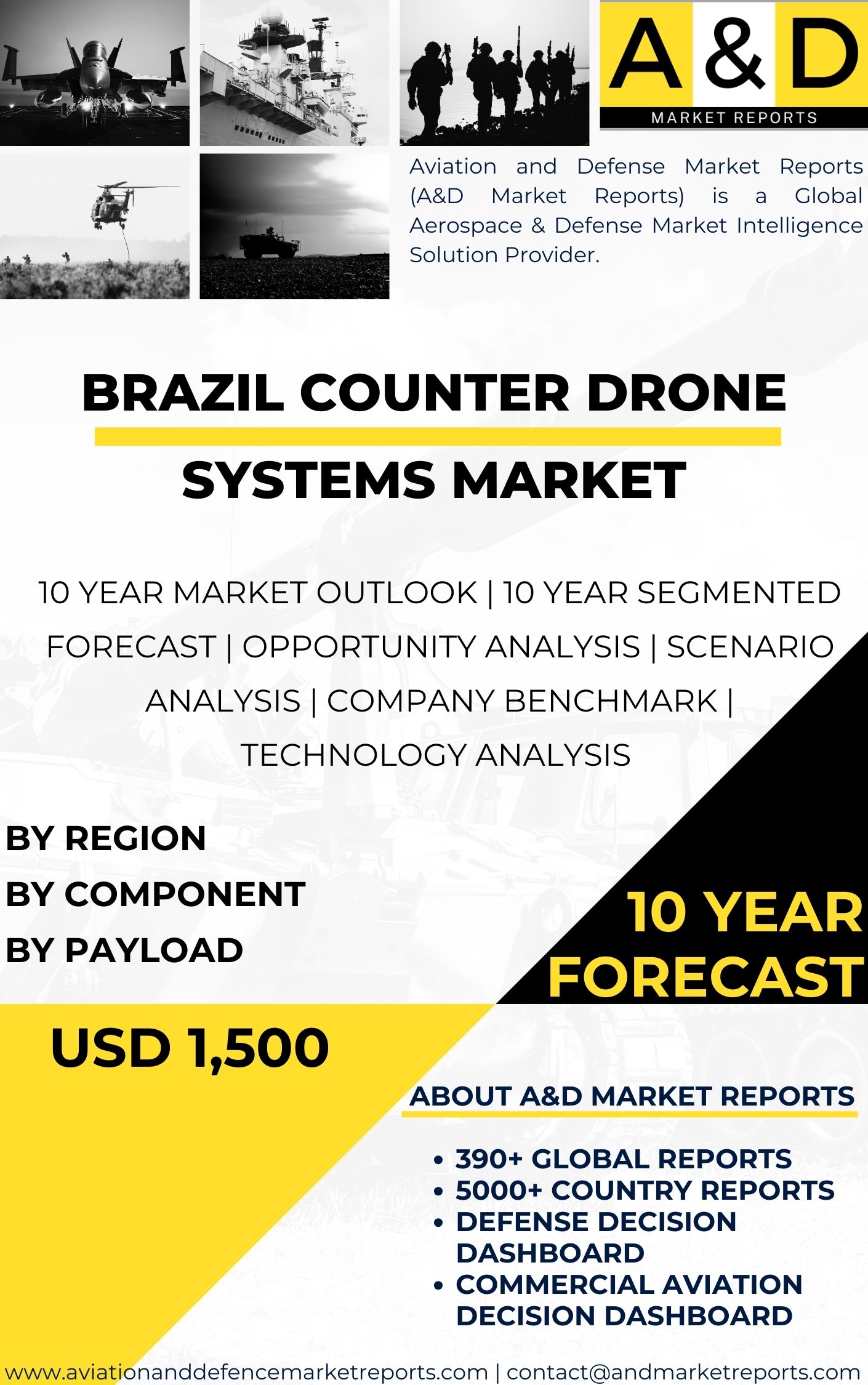
The Brazil Counter Drone Systems Market is a vital, fast-changing sector. Specifically, it addresses new security issues caused by drones (UAVs). Drones are becoming common for both civilian and military use. Consequently, Brazil’s defense teams must counter illegal or harmful drone actions. In short, this is a top goal for the country.
🚨 Recognizing the Threat
Drones offer major benefits in many fields. For example, these include farming, security checks, and media. However, misuse is a risk. Illegal acts like smuggling, spying, or terror raise security concerns. Therefore, Brazil sees the need to invest in new counter-drone technology. Ultimately, this protects key sites, public events, and military bases from drone threats.
The market offers many solutions. These solutions include finding, naming, tracking, and stopping rogue drones. Essentially, these systems find drone threats. Then, they judge the drone’s goal. Finally, they stop the drone safely and well. Key firms offer many technologies, such as radar, RF scanners, and acoustic sensors. They combine these into full counter-drone systems.
📡 Detection and Classification
Finding drones fast and right is a main challenge. To address this, Brazil buys modern radar and RF systems. These systems detect drones at different heights and ranges. Furthermore, they use smart software and machine learning. This helps them tell drones from other objects. Thus, they reduce wrong alerts and speed up response times.
Moreover, naming and classifying drones is key. This determines if they are threats. Counter-drone systems use smart databases. They help identify different drone models. This helps security assess the risk. In some cases, operators may be authorized users. If so, the system can issue warnings. It can also speak to the operator to ensure rules are followed.
Once they find and name a rogue drone, Brazil monitors its path. Therefore, tracking technology is crucial. Optical cameras, thermal sensors, and GPS are all used. Together, these tools provide real-time visual and location data. This tracking lets security forces watch the drone’s path constantly. They can judge possible threat areas.
🛑 Methods of Stopping Drones
Stopping hostile drones is a critical aspect. Generally, Brazil uses two main methods:
- Non-Kinetic Solutions: First, these systems disrupt the drone’s signal link. This makes it lose control. The result is that the drone then lands safely or returns to its pilot.
- Kinetic Solutions: On the other hand, these solutions physically stop the drone. They use directed energy weapons, like RF jammers or net-capture tools. Importantly, these methods are set up carefully. They ensure minimal damage and follow local rules.
📈 R&D, Civilian Use, and Challenges
As the threat grows, Brazil continuously invests in research and development (R&D). This action enhances its counter-drone capabilities. Research centers and tech firms work together. They develop new solutions to fight emerging drone threats. Moreover, the Brazilian government supports these efforts. It funds initiatives to grow local counter-drone technology.
Furthermore, the market extends past military uses. Civilian groups, like police and airport staff, also invest in counter-drone systems. They do this to protect key sites, airports, and large events. As drone tech becomes common, rules and integrated counter-drone tools are needed. This ensures public safety.
However, the market faces challenges. Drone technology changes fast. Therefore, countermeasures must adapt constantly. Keeping pace requires quick action and close teamwork between public and private groups. Additionally, enemies use cheap or custom drones. This makes the threat unpredictable. Consequently, Brazil needs strong, flexible counter-drone systems.
🔑 Conclusion
In conclusion, the Brazil counter-drone systems market is vital for national security. Drones are now common in many contexts. Thus, the need for strong countermeasures is key. Brazil invests in new tech: detection, identification, tracking, and stopping threats. With ongoing R&D and teamwork, the market will keep growing. This growth contributes to a safer and more secure environment for the nation.