
Description
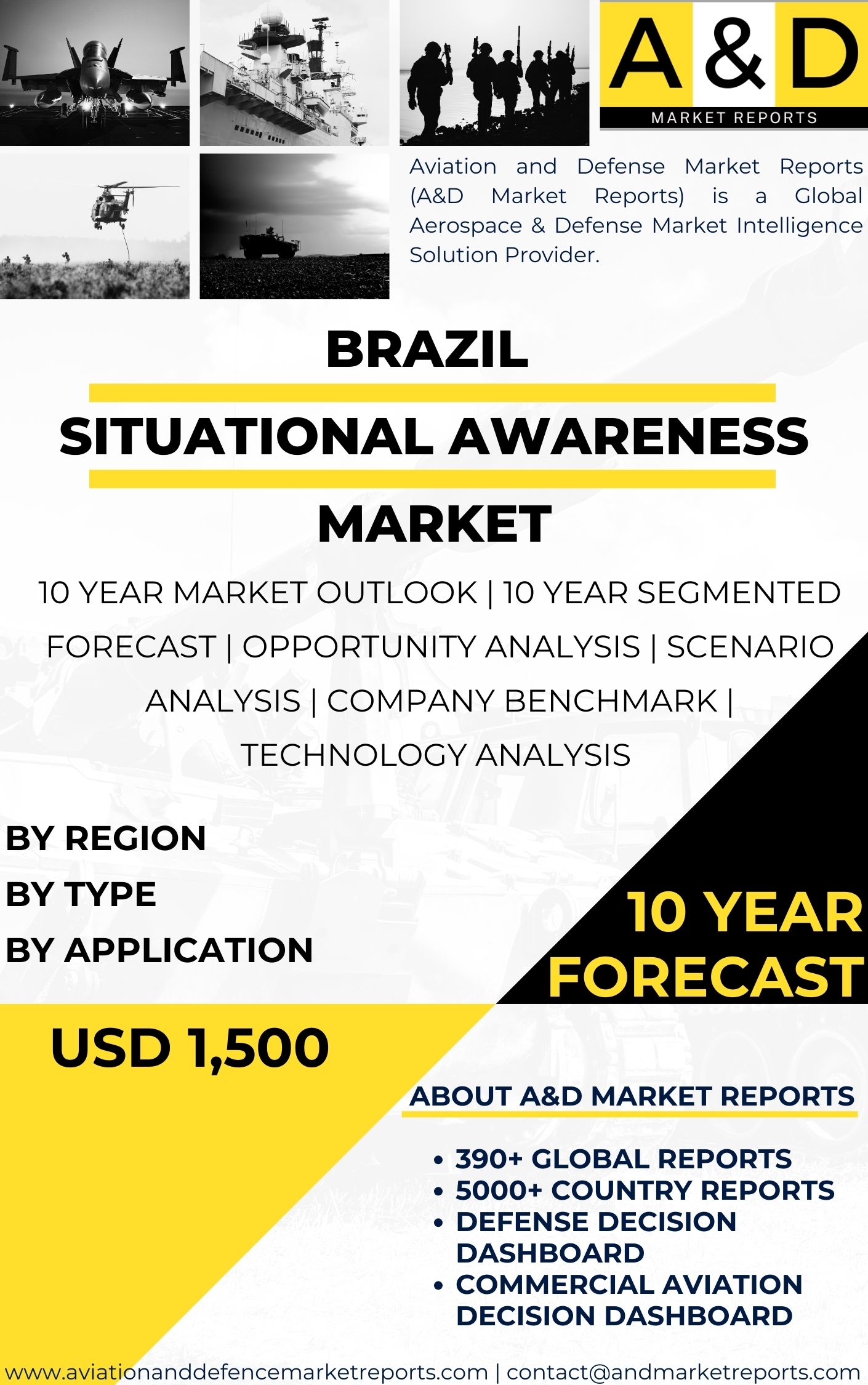
The situational awareness market in Brazil is witnessing dynamic growth fueled by several converging factors, including rapid urbanization, rising technological advancements, and increasing government initiatives. Brazil’s evolving landscape, characterized by expanding critical infrastructure and smart city projects, has created a fertile environment for situational awareness technologies that enhance real-time operational intelligence. This market is marked by the integration of advanced digital solutions such as artificial intelligence, big data analytics, Internet of Things (IoT), and blockchain technologies, which collectively enable enhanced data collection, analysis, and dissemination to support timely decision-making across multiple sectors.
Key drivers propelling the market include government regulatory frameworks aimed at enhancing public safety and security, such as national public security plans, which mandate the adoption of better situational awareness technologies for infrastructure protection and emergency response. These initiatives are complemented by public and private sector investments aimed at sustainability and environmental monitoring, where software and hardware solutions predict and mitigate environmental risks such as natural disasters and deforestation, which are critical challenges in Brazil. The increasing adoption of green technologies and urban digital transformation efforts further support market expansion, encouraging innovations that integrate environmental data with situational awareness platforms.
The market landscape includes a blend of global and domestic players, with multinational corporations bringing in cutting-edge products and Brazilian firms offering localized solutions tailored to specific regional demands. This synergy fosters innovation and market penetration, supported by strong research and development efforts, strategic partnerships, and collaborations that enhance product capabilities and market reach. The competitive environment stimulates continuous improvement and diversification of product offerings, with a focus on user-centric features, cloud-based platforms, predictive analytics, and AI-driven insights to meet the complex needs of varying sectors.
Industries such as defense and national security represent significant segments of the market due to rising security concerns and the need for robust surveillance and monitoring capabilities. Military applications demand technologies that provide commanders with comprehensive battlefield intelligence, threat detection, and strategic situational insights. Similarly, homeland security and law enforcement agencies rely on situational awareness solutions to monitor urban environments, manage crowd control, and respond swiftly to incidents. In addition to public safety, sectors including healthcare, industrial manufacturing, and energy increasingly leverage situational awareness systems to enhance operational efficiency, reduce risks, and support compliance with regulatory mandates.
A notable trend shaping the market is the growing emphasis on cybersecurity situational awareness, driven by the increasing frequency and sophistication of cyber threats. Organizations prioritize real-time monitoring of networks to safeguard sensitive data and maintain operational continuity. The proliferation of connected devices and digital ecosystems has expanded the attack surface, necessitating advanced cybersecurity awareness tools that integrate threat detection with broader situational intelligence.
Brazil’s position as the largest economy in Latin America and a hub for technological adoption places it at the forefront of the regional market, serving as a growth engine for situational awareness technologies in the broader Latin American context. The country’s infrastructure, abundant natural resources, and expanding digital environment encourage cross-border collaboration and integration within regional supply chains. Favorable trade policies and foreign direct investment further bolster Brazil’s ability to attract technology providers and scale solutions across multiple industries.
Challenges remain in the form of intense competition and the fast pace of technological change, requiring continuous innovation and adaptability by market participants. Privacy concerns and data security issues also influence the development and deployment of situational awareness systems, pushing providers to enhance security features and comply with evolving data protection regulations. Despite these hurdles, the market outlook remains strong, with opportunities driven by Brazil’s growing middle class, expanding urban areas, and a general shift toward data-driven decision-making across both private enterprises and government agencies.
In summary, Brazil?s situational awareness market is characterized by rapid technological integration, strong government support, and a diverse industrial demand base. The market growth is underpinned by the adoption of AI, IoT, and advanced analytics technologies that enable real-time situational intelligence for a wide range of applications from defense and security to environmental monitoring and industrial operations. This evolving landscape positions Brazil as a critical player in the Latin American situational awareness technology ecosystem, with significant potential for sustained expansion and innovation. The depth of localized expertise combined with international technological inputs ensures a vibrant and competitive market aimed at improving safety, efficiency, and sustainability in various sectors across Brazil and the surrounding region.