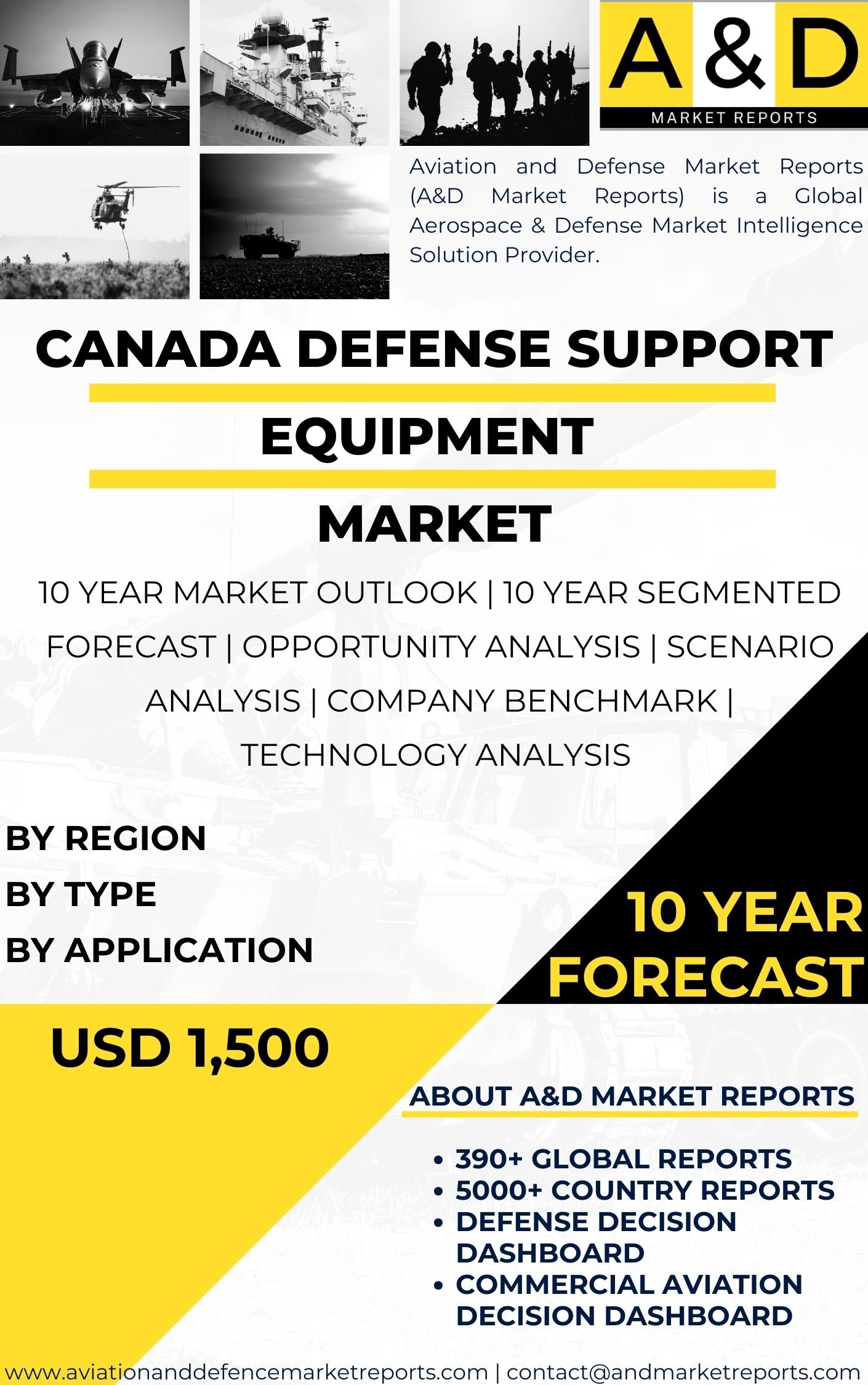
Canada Defense Support Equipment Market

$1,500.00

Enquire Now

The defense support equipment market in the Canada comprises a wide array of auxiliary equipment and tools used to maintain, test, repair, and operate military platforms and weapon systems before, during, and after missions. This sector includes ground support equipment, mobile repair units, diagnostic tools, transportation and loading systems, power supplies, and specialized handling devices. The market structure entails suppliers specializing in durable, mission-ready equipment designed to perform reliably under demanding field or base conditions. Market drivers include the increasing operational tempo of military forces, the introduction of new platforms needing tailored support systems, and the overarching goal to reduce downtime and improve mission readiness. Customers encompass logistic units, maintenance depots, and fleet operators in both defense and allied sectors. Regulatory and safety standards govern product design and use, necessitating compliance with military specifications and environmental considerations. Supply chains demand resilience and flexibility to support rapid deployment and ongoing sustainment. Increasingly, support equipment incorporates digital diagnostics, automation, and modular design to enable ease of use and integration with broader maintenance management systems. This market is fundamental in sustaining the operational availability and effectiveness of U.S. defense assets.

Go To Global Report Page Track this market real time on DDD

Description

Market Overview and Operational Importance

The Canada Defense Support Equipment encompasses the auxiliary systems and tools required to maintain, test, transport, and operate military platforms. These assets ensure aircraft, armored vehicles, naval vessels, and weapon systems remain mission-ready before, during, and after deployment. Because operational readiness depends heavily on maintenance efficiency, support equipment directly influences force availability. Ground crews rely on durable and field-deployable systems to sustain high-tempo operations. In addition, rapid repair capability reduces downtime and extends platform service life. Therefore, this market forms a critical pillar of defense sustainment strategy.

Industry Structure and Key Participants

The sector includes specialized manufacturers, logistics solution providers, and major defense contractors. Companies such as Oshkosh Corporation and General Dynamics contribute mobile support vehicles and integrated maintenance platforms. These firms collaborate with tool manufacturers and power system suppliers to deliver complete support solutions. Moreover, partnerships with digital technology providers enhance automation and diagnostics. The ecosystem emphasizes rugged design and interoperability with diverse military assets. As a result, suppliers focus on reliability, transportability, and lifecycle service support.

Core Equipment Categories and Capabilities

Defense support equipment includes ground support vehicles, towing and loading systems, power generation units, hydraulic rigs, and diagnostic testing tools. Mobile repair units allow maintenance in forward-deployed environments. Specialized lifting and handling devices ensure safe transport of munitions and sensitive components. Increasingly, digital diagnostic systems provide real-time equipment health monitoring. Modular designs enable customization for different platforms and mission requirements. Consequently, these capabilities strengthen sustainment efficiency and operational continuity.

Demand Drivers and Customer Segments

Rising operational tempo and platform modernization programs drive demand for advanced support systems. Newly introduced aircraft, land vehicles, and naval systems require tailored maintenance equipment. Logistics units, maintenance depots, and fleet operators represent the primary customer base. Because downtime directly impacts readiness levels, investment in efficient support infrastructure is prioritized. Furthermore, allied cooperation initiatives expand the need for interoperable equipment. Therefore, scalability and adaptability remain key procurement considerations.

Regulation, Supply Chain, and Future Outlook

Regulatory frameworks mandate compliance with strict military safety and environmental standards. In Canada, procurement alignment and oversight are coordinated through the Department of National Defence to ensure compatibility with operational requirements. Supply chains emphasize resilience, secure sourcing, and rapid deployment capability. Technological advancement focuses on automation, predictive maintenance software, and integration with digital maintenance management systems. Energy-efficient power supplies and lightweight materials further enhance mobility. Overall, the defense support equipment market remains fundamental to sustaining the operational availability and long-term effectiveness of Canada’s military assets.
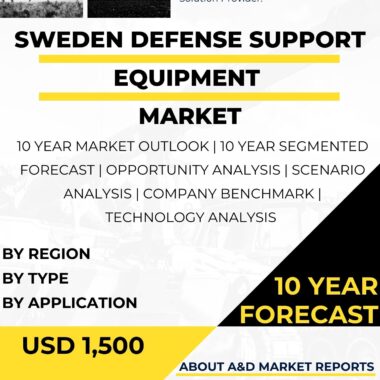
Table of content

Table Of Contents

1 Market Introduction

1.1 Market Introduction
1.2 Market Definition
1.3 Market Segmentation
1.4 10 Year Market Outlook

2 Market Technologies

3 Global Market Forecast

3.1 Global Market Forecast
3.2 By Type
3.3 By Application

4 North America Market Trends & Forecast

4.1 Drivers, Restraints And Challenges
4.2 PEST
4.3 Market Forecast
4.3.1 Market Forecast By Type
4.3.2 Market Forecast By Application
4.4 Scenario Analysis
4.5 Key Companies& Profiling

5 Canada Analysis

5.1 Current Levels Of Technology Maturation In This Market
5.2 Market Forecast
5.2.1 Market Forecast By Type
5.2.2 Market Forecast By Application
5.3 Scenario Analysis
5.4 Country Defense Budget (Historical and 10- year forecast)
5.5 Defense Budget Category Spending- 10- year forecast
5.6 Procurement Analysis
5.7 EXIM Data
5.8 Patents

6 Opportunity Matrix

6.1 By Type
6.2 By Application

7 Scenario Analysis

7.1 Scenario 1

7.1.1 By Type (Scenario-1)
7.1.2 By Application (Scenario-1)

7.2 Scenario 2

7.2.1 By Type (Scenario-2)
7.2.2 By Application (Scenario-2)

8 Company Benchmark

9 Strategic Conclusions

10 About Aviation And Defense Market Reports

Segments

By Type
By Application

List of Tables

Table1: Global Market Forecast, Defense Support Equipment Market
Table2: Market Forecast, Defense Support Equipment Market
Table3: Market Forecast, By Type
Table4: Market Forecast, By Application
Table5: , Scenario Analysis
Table6: Market Forecast, Defense Support Equipment Market
Table7: Market Forecast, By Type
Table8: Market Forecast, By Application
Table9: , Scenario Analysis
Table 10: Defense Budget 10 Year Forecast
Table 11: , Defense Budget Category Spending- 10- year forecast
Table 12: , Procurement Analysis
Table 13: , EXIM Data Analysis
Table 14: , Opportunity Analysis, By Type
Table 15: , Opportunity Analysis, By Application
Table 16: , Scenario Analysis, By Type
Table 17: , Scenario Analysis, By Application

List of Figures

Figure 1: Market Segmentation, Canada Defense Support Equipment Market
Figure 2: Key Technology Analysis, Defense Support Equipment Market
Figure 3: Global Market Forecast, Defense Support Equipment Market
Figure 4: North America, Market Forecast, Defense Support Equipment Market
Figure 5: North America, Market Forecast, By Type
Figure 6: North America, Market Forecast, By Application
Figure 7: North America, Scenario Analysis
Figure 8: Canada, Market Forecast, Defense Support Equipment Market
Figure 9: Canada, Market Forecast, By Type
Figure 10: Canada, Market Forecast, By Application
Figure 11: Canada, Scenario Analysis
Figure 12: Canada, Defense Budget 10 Year Forecast
Figure 13: Canada, Defense Budget Category Spending- 10- year forecast
Figure 14: Canada, Procurement Analysis
Figure 15: Canada, EXIM Data Analysis
Figure 16: Canada, Opportunity Analysis, By Type
Figure 17: Canada, Opportunity Analysis, By Application
Figure 18: Canada, Scenario Analysis, By Type
Figure 19: Canada, Scenario Analysis, By Application
Figure 20: Company Benchmark

Aviation and Defense Market Reports


TPA | TIA | Consulting | Market Reports | Defense Decision Dashboard


Our Defense Report - Our Team Has Worked on More Than 250+ Individual Products / Markets