
Description
Canada’s Growing Role in Underwater Warfare
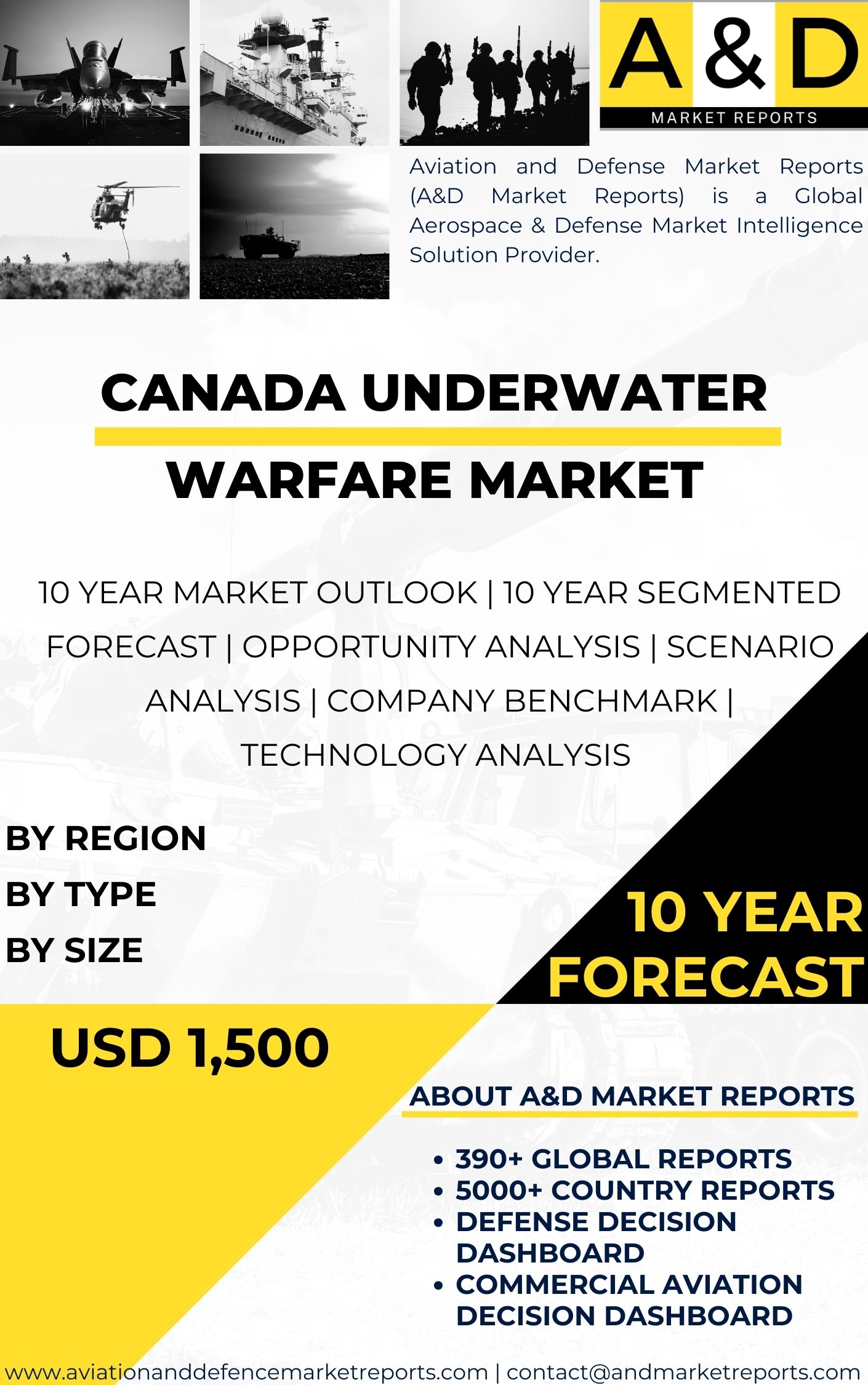
Canada has emerged as a significant player in the Canada Underwater Warfare Market . The country uses its long coastline and deep maritime knowledge to support advanced naval development. Because it borders the Atlantic, Pacific, and Arctic Oceans, maritime security remains a national priority. As a result, Canada continues to modernize its naval forces and underwater capabilities. Moreover, its efforts influence not only domestic security but also broader international defense cooperation. Therefore, Canada’s role in underwater warfare carries both national and strategic importance.
Maritime Security as a Core Driver
One of the main reasons for Canada’s strong presence in underwater warfare is its focus on maritime security. The country must monitor vast ocean areas and protect critical sea routes. In addition, it faces challenges such as illegal fishing, smuggling, and unauthorized maritime activity. To address these risks, the government invests heavily in naval defense programs. Consequently, submarine fleets, anti-submarine warfare systems, and modern naval vessels receive steady funding. This approach ensures that Canada can safeguard its waters effectively while maintaining readiness for emerging threats.
Submarine Modernization and Capability Enhancement
A key part of Canada’s underwater strength lies in its submarine fleet. The Royal Canadian Navy operates four Victoria-class submarines that form the backbone of its undersea capability. These submarines continue to undergo upgrades to improve performance and reliability. For example, enhancements include improved sonar systems and modern communication equipment. In addition, advanced anti-submarine warfare tools strengthen operational effectiveness. As a result, Canada maintains a credible and capable submarine force that supports both national defense and allied missions.
International Cooperation and NATO Engagement
Canada also strengthens its underwater warfare capabilities through international cooperation. As a member of North Atlantic Treaty Organization, Canada plays an active role in collective defense planning. It regularly participates in joint exercises and information-sharing programs. Therefore, Canadian forces remain aligned with allied standards and operational practices. Moreover, cooperation improves interoperability during multinational missions. This collaborative approach enhances readiness and supports security in both the North Atlantic and other maritime regions.
Investment in Advanced ASW Technologies
Beyond submarines, Canada invests in modern anti-submarine warfare technologies. These include advanced sonar systems, maritime patrol aircraft, and surface vessels equipped for ASW missions. Each of these assets improves the ability to detect and track underwater threats. Furthermore, integrated surveillance systems increase maritime domain awareness. As a result, Canada strengthens its defensive posture along its extensive coastline. This layered capability ensures faster response times and better coordination during operations.
Arctic Security and Northern Challenges
Canada’s Arctic region presents unique security challenges. As climate change opens northern waters, maritime activity in the region continues to rise. Consequently, Canada recognizes the need for stronger monitoring and protection measures. Advanced underwater surveillance and ASW systems support this objective. In addition, Arctic operations require specialized equipment and trained personnel. Therefore, investments in northern capability remain a strategic priority for national defense planning.
Research, Innovation, and Technological Development
Canada also supports research and development in underwater warfare technologies. Partnerships with universities, defense contractors, and research agencies promote innovation. For instance, Defence Research and Development Canada contributes to testing and technological advancement. These collaborations help refine sonar systems, autonomous platforms, and communication tools. As a result, Canada maintains a competitive technological edge. Continuous innovation ensures that naval forces adapt to evolving underwater threats.
Contribution to International Maritime Stability
Canada’s underwater warfare capabilities also support its role in international security efforts. The country participates in peacekeeping missions and maritime patrol operations abroad. These missions often rely on ASW systems and naval coordination. Moreover, Canada’s involvement reinforces its reputation as a responsible defense partner. By contributing to allied operations, Canada promotes maritime stability and shared security objectives.
Conclusion
Canada’s engagement in underwater warfare reflects its strong commitment to maritime defense. Through submarine modernization, ASW investment, and international cooperation, the country protects its national interests. In addition, Arctic security and research initiatives strengthen long-term readiness. As maritime threats continue to evolve, Canada remains prepared to respond effectively. Therefore, its role in underwater warfare will continue to shape both national defense and international maritime stability.