
Description
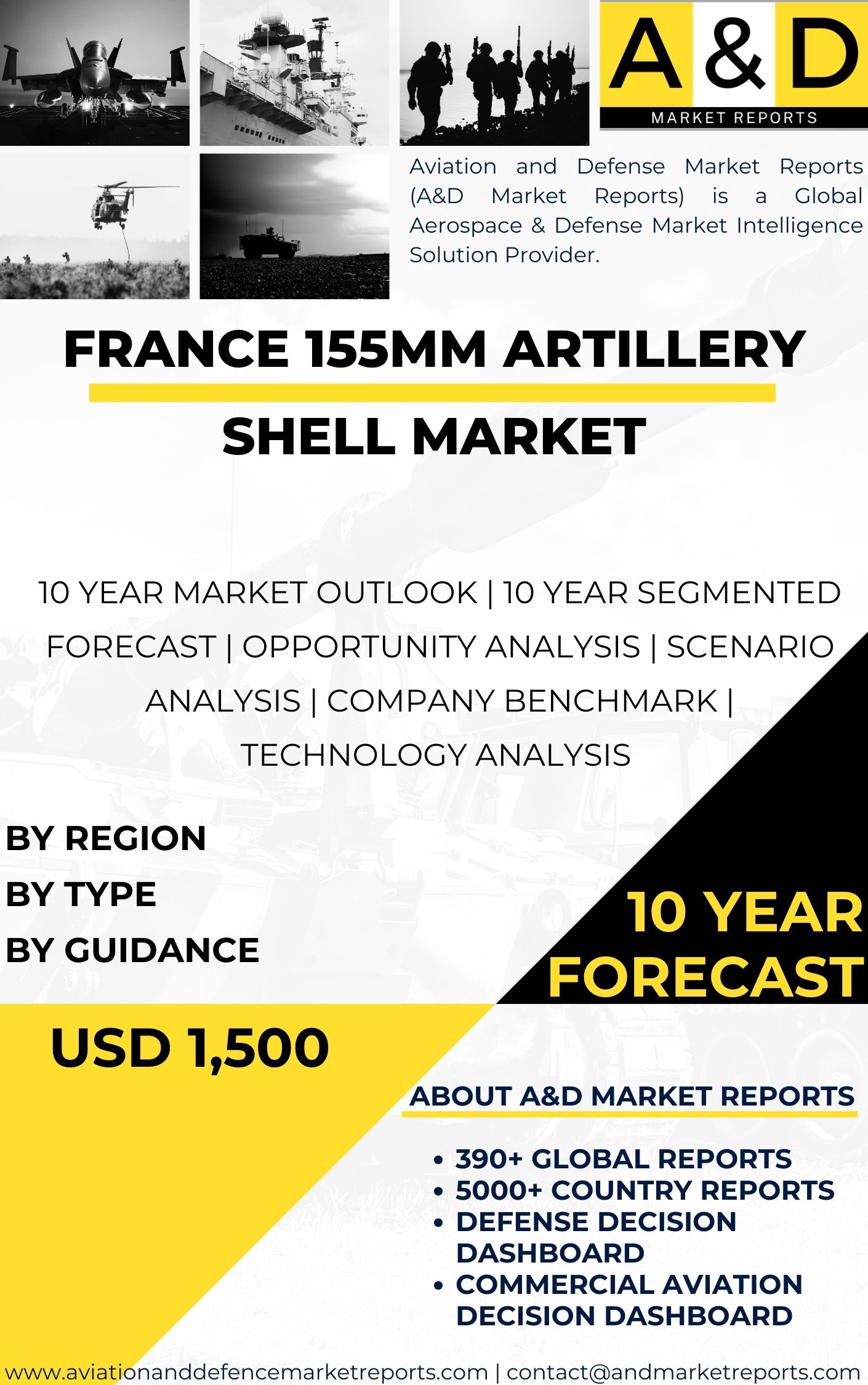
Overview of the 155mm Artillery Shell Market in France
The France 155mm artillery shell reflects defense strategy and industry strength. First, artillery remains central to French military doctrine. As a result, fire support holds high operational value. Moreover, the 155mm caliber serves as the NATO standard. Therefore, French developments align with allied forces. In addition, France invests steadily in artillery modernization. This investment supports both national and export needs. Furthermore, artillery shells symbolize battlefield power. Consequently, industrial capability stays critical. Overall, the market blends tradition with innovation.
Historical Foundations of French Artillery Development
France has a long history in artillery development. First, early innovations shaped European warfare. Over time, heavy guns became more advanced. Meanwhile, precision gained greater importance. As a result, ammunition designs evolved steadily. Moreover, industrial reforms reshaped production structures. Therefore, firms became more specialized and efficient. In addition, government support strengthened consolidation. Consequently, technical expertise increased. Today, history strongly influences modern designs.
Industrial Structure and Market Organization
The French 155mm shell market relies on cooperation. First, government agencies guide requirements. Meanwhile, defense primes lead production. In addition, specialized suppliers provide key components. Therefore, the supply chain remains interconnected. Moreover, collaboration improves efficiency. As a result, innovation moves faster. Also, quality standards remain consistent. Furthermore, integration supports exports. Consequently, the market stays resilient. Overall, structure enables long-term stability.
Key Players and Competitive Landscape
Major French defense companies dominate this market. First, they deliver reliable munitions. As a result, trust remains high. Moreover, procurement agencies ensure strict oversight. Therefore, NATO standards are consistently met. In addition, European partnerships influence design choices. Also, competition drives technical progress. Furthermore, niche firms support core production. Consequently, expertise spreads across sectors. Overall, competition strengthens innovation.
Economic Importance and Industrial Impact
The market supports the wider French economy. First, shell production creates skilled jobs. As a result, industrial employment grows. Moreover, demand drives advanced manufacturing. In addition, research spending remains steady. Therefore, technology development accelerates. Also, exports boost national revenue. Furthermore, supply chains benefit multiple sectors. Consequently, industrial capacity expands. Overall, the market strengthens economic resilience.
Strategic Role of 155mm Artillery Shells
Strategically, 155mm shells remain essential. First, they provide long-range firepower. As a result, battlefield control improves. Moreover, traditional shells still play a role. However, new variants increase flexibility. In addition, precision reduces collateral damage. Therefore, shells suit modern combat needs. Also, modular designs improve logistics. Furthermore, adaptability supports many missions. Overall, strategy drives constant evolution.
Influence of Global Security Trends
Global security shifts affect the market strongly. First, near-peer threats have re-emerged. As a result, conventional artillery regains focus. Moreover, long-range fires gain importance. In addition, NATO alignment shapes investments. Therefore, interoperability remains a priority. Also, coalition operations increase demand. Furthermore, exports respond to global needs. Consequently, production planning adapts. Overall, security trends shape demand.
Technological Advancements in Shell Design
Technology defines modern 155mm shells. First, improved propellants increase range. As a result, effectiveness rises. Moreover, advanced metals improve durability. In addition, digital fuzes enhance accuracy. Therefore, shells become smarter. Also, GPS guidance expands precision roles. Furthermore, electronics integration grows steadily. Consequently, artillery blurs with missile systems. Overall, technology drives transformation.
Sustainability and Environmental Considerations
Sustainability gains importance in defense markets. First, cleaner propellants reduce impact. As a result, safety improves. Moreover, recyclable materials attract interest. In addition, regulations influence research funding. Therefore, innovation aligns with policy goals. Also, safer explosives reduce risk. Furthermore, exports benefit from compliance. Consequently, sustainability supports competitiveness. Overall, environmental factors shape development.
Operational Importance within French Armed Forces
The 155mm shell anchors French ground operations. First, it supports self-propelled artillery. As a result, fire support remains reliable. Moreover, towed systems use the same caliber. In addition, logistics become simpler. Therefore, training stays consistent. Also, adaptability suits many missions. Furthermore, deterrence remains credible. Consequently, planners value flexibility. Overall, the shell remains indispensable.
Challenges Facing the Market
Several challenges affect the market. First, advanced shells raise costs. As a result, budgeting becomes complex. Moreover, supply chains face pressure. In addition, electronics sourcing adds risk. Therefore, coordination becomes critical. Also, export controls limit flexibility. Furthermore, sudden demand spikes strain capacity. Consequently, planning must stay adaptive. Overall, resilience remains essential.
Future Outlook of the French 155mm Shell Market
The market outlook remains positive. First, modernization efforts continue. As a result, precision improves. Moreover, range extension stays a focus. In addition, NATO cooperation strengthens demand. Therefore, exports will likely grow. Also, sustainability influences future designs. Furthermore, digital integration expands further. Consequently, innovation remains constant. Overall, the market stays strategically vital.