
Description
Market Overview and Strategic Importance
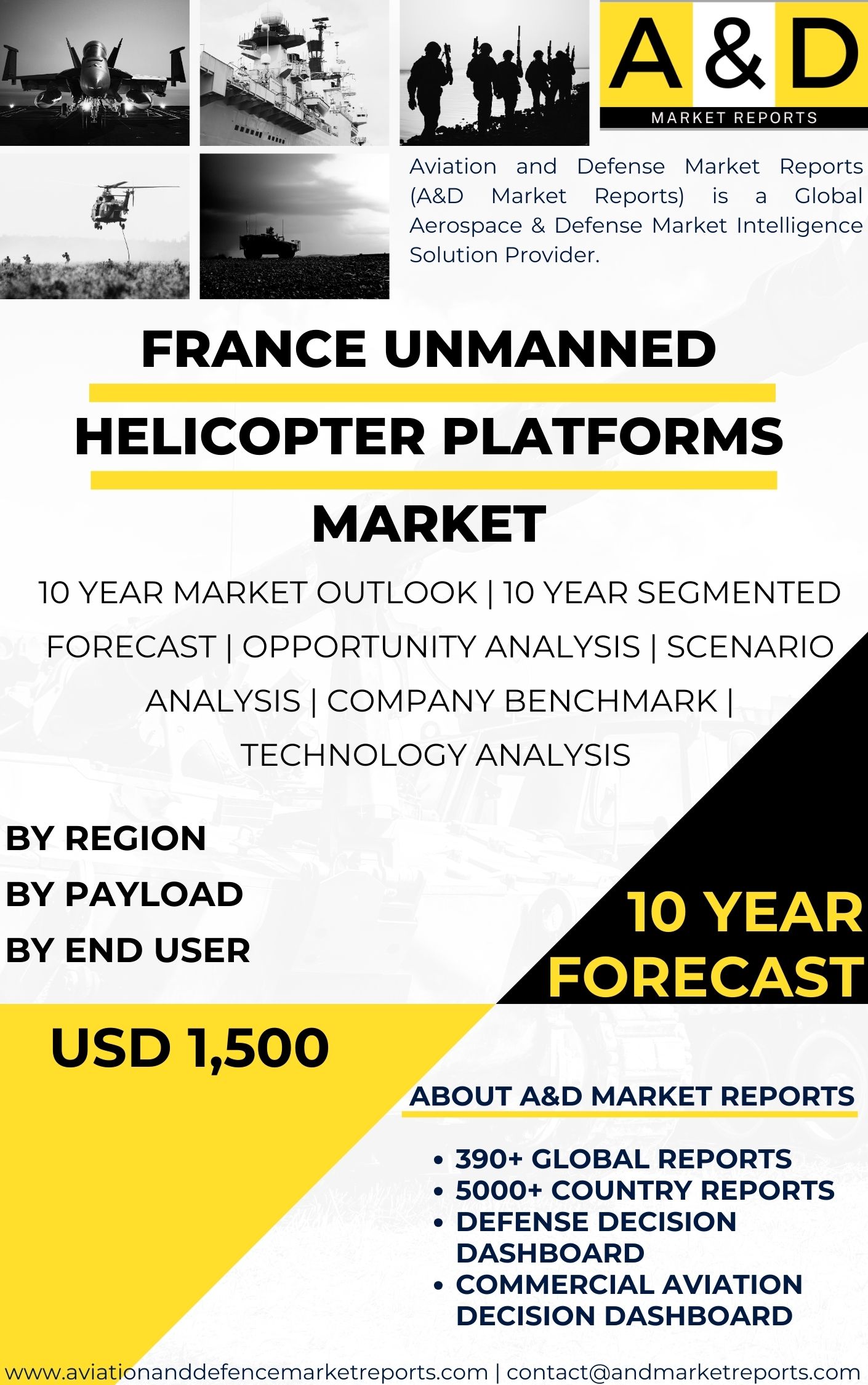
The France Unmanned Helicopter platforms has witnessed significant growth and steady technological advancement in recent years. These systems, also known as ground robots or autonomous ground vehicles, are designed to operate on land without direct human control. As a result, they are becoming increasingly relevant in both military and security operations. Moreover, France’s strong focus on defense modernization supports this market’s expansion. In addition, the country’s advanced industrial base enables rapid development and deployment. Consequently, France has positioned itself as an important contributor to the UGVs market. Furthermore, long-term investment strategies reinforce sustained growth. Overall, the market reflects France’s broader commitment to innovation and operational superiority.
Role of UGVs in Modern Military Operations
One of the main drivers of the UGVs market in France is the strategic value of unmanned systems in modern warfare. UGVs significantly enhance operational effectiveness across various mission profiles. For instance, they are widely used in reconnaissance and surveillance tasks. In addition, they support explosive ordnance disposal and logistics missions. As a result, risks to human soldiers are reduced in dangerous environments. Moreover, these platforms improve mission endurance and flexibility. Consequently, French forces can operate more efficiently in complex scenarios. Therefore, UGV adoption strengthens national defense readiness.
Integration into French Armed Forces
The French defense sector prioritizes the integration of UGVs into ground force operations. These systems offer clear advantages in terms of safety and situational awareness. For example, UGVs can gather real-time data from hostile zones. At the same time, they reduce direct exposure of personnel to threats. Furthermore, their deployment improves decision-making during active missions. As a result, operational tempo and effectiveness increase. Additionally, UGVs help reduce manpower strain on ground units. Overall, integration supports a more agile and resilient force structure.
International Cooperation and Interoperability
France actively engages in multinational defense cooperation, where UGV interoperability plays a crucial role. Joint military exercises demand systems that can operate seamlessly together. Therefore, France emphasizes compatibility with allied platforms. In turn, this enhances coordination during coalition missions. Moreover, interoperable UGVs improve information sharing across forces. As a result, collective response capabilities are strengthened. Additionally, such cooperation deepens strategic partnerships. Consequently, France reinforces its role within allied defense frameworks.
Industrial and Technological Capabilities
The French aerospace and defense industry significantly shapes the domestic UGVs market. Defense contractors and research institutions bring strong expertise in robotics and automation. As a result, French UGVs are known for reliability and adaptability. In addition, advanced sensor integration enhances operational performance. Modular designs further allow mission-specific customization. Consequently, these systems meet diverse military requirements. Moreover, strong industrial collaboration accelerates innovation cycles. Overall, industrial strength remains a key market pillar.
Government Support and Research Development
Government backing plays a critical role in advancing UGV technology in France. Public funding supports research programs and prototype development. In addition, partnerships between industry and academia drive innovation. As a result, cutting-edge solutions reach operational readiness faster. Furthermore, consistent policy support ensures long-term stability for manufacturers. Consequently, France maintains competitiveness in advanced unmanned systems. Moreover, investment in research sustains technological leadership. This approach strengthens both national defense and industrial growth.
Technological Advancements and Innovation Trends
Ongoing research has led to notable progress in UGV capabilities. Advancements in artificial intelligence improve autonomy and navigation. At the same time, sensor fusion enhances environmental awareness. Improved communication systems allow better coordination with manned units. As a result, UGVs can perform complex tasks independently. Moreover, these technologies expand mission versatility. Consequently, operational effectiveness increases across terrains. Innovation remains central to future market expansion.
Joint Development and Export Opportunities
France also collaborates internationally on UGV development and export programs. Such cooperation allows shared access to advanced technologies. In addition, joint projects reduce development costs. As a result, market reach expands beyond domestic demand. Furthermore, standardized platforms simplify multinational operations. Consequently, export potential improves significantly. These efforts also strengthen diplomatic and industrial ties. Overall, collaboration supports sustainable market growth.
Civilian Applications and Market Diversification
Beyond defense, UGVs in France are increasingly used for civilian purposes. Applications include disaster response and search operations. Additionally, agricultural automation benefits from unmanned ground platforms. Industrial logistics also see efficiency gains through UGV deployment. As a result, market demand diversifies across sectors. Moreover, civilian adoption encourages cost-effective innovation. Consequently, technological benefits extend beyond military use. This diversification supports broader economic impact.
Regulatory Environment and Market Outlook
France’s regulatory framework strongly influences UGV development and deployment. Strict safety standards ensure reliable performance in operations. In addition, cybersecurity requirements protect sensitive systems. As a result, trust in UGV technology increases. Furthermore, clear regulations support responsible innovation. Looking ahead, continued modernization will drive market growth. Consequently, UGVs will play an expanding role in defense and civilian domains. France is well positioned for long-term leadership in this market.