
Description
Growth of India Defense Training and Simulator Market
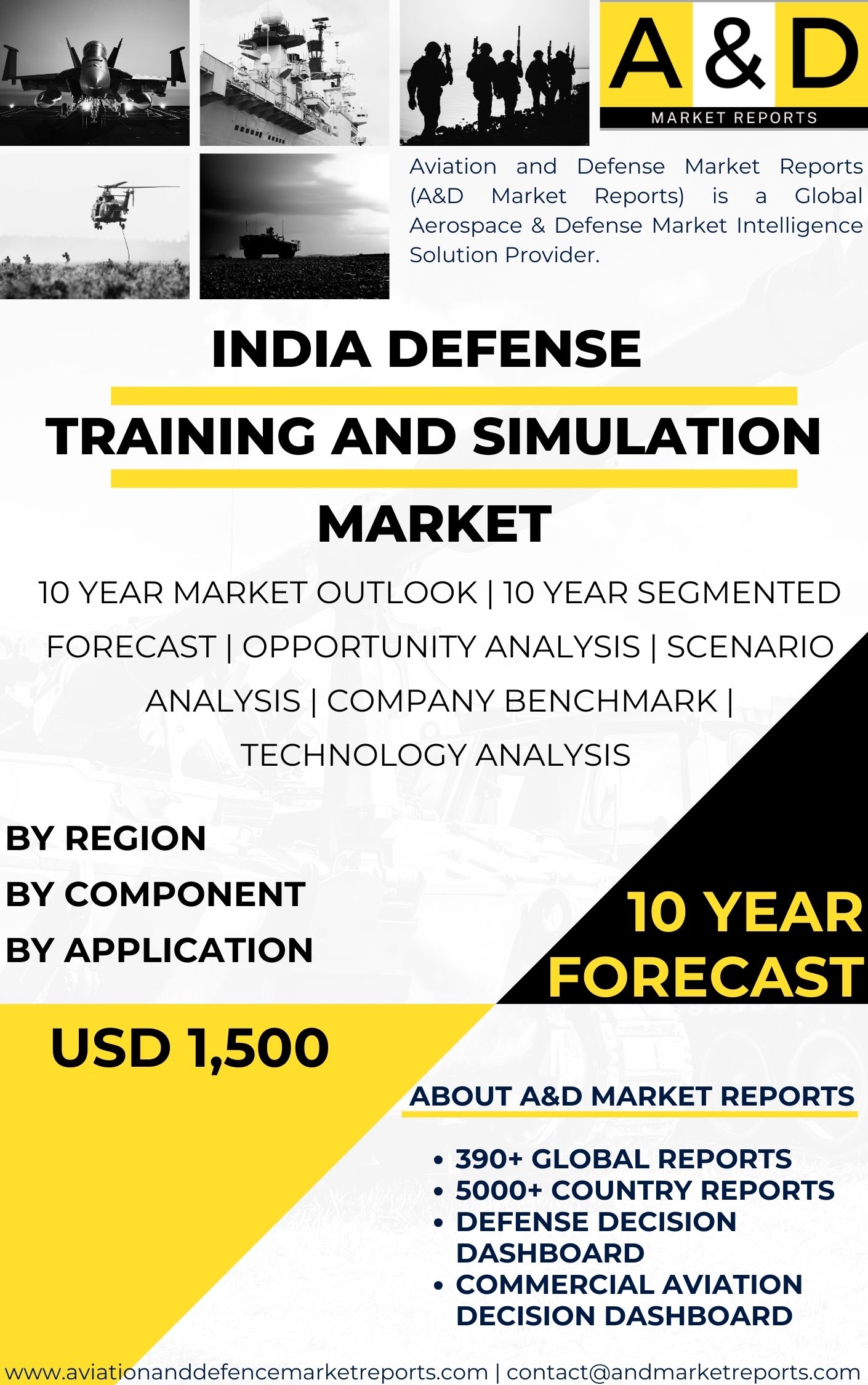
The India defense training and simulator market is growing rapidly and plays a key role in modern military preparation. The focus is on improving training methods across all armed forces, and simulators provide a safe and controlled environment for practice. They allow personnel to perform complex missions without real risk, which reduces training costs and improves efficiency. These systems help soldiers gain real-world experience and improve decision-making under pressure. Training becomes more structured and measurable, and as threats evolve, simulation-based learning becomes essential for better readiness and mission success.
Types of Training and Simulation Systems
The market includes a wide range of simulator technologies such as virtual reality systems, flight simulators, vehicle simulators, maritime simulators, and firearms training systems. Each type serves a specific purpose in defense training and helps create realistic battlefield environments. Personnel can practice different combat scenarios repeatedly, which improves accuracy and confidence. This also reduces human error during real missions and enhances skill development across all branches of the armed forces.
Need for Advanced Training Solutions
Modern warfare is complex and constantly evolving, making traditional training methods less effective. Defense forces now require advanced tools that can simulate real-world challenges accurately. Simulators provide dynamic and interactive environments where personnel can learn and adapt quickly. They allow soldiers to make mistakes and learn from them without real consequences, which improves performance, confidence, and coordination among teams while enhancing overall combat readiness.
Technological Advancements in Simulation
Technology is transforming defense simulation systems by making them more realistic and effective. High-quality graphics improve visual realism, while artificial intelligence creates intelligent and adaptive scenarios. Data analytics helps track performance and identify areas for improvement. These advancements create immersive environments that closely resemble real-life situations and allow personalized training based on individual skill levels, leading to better learning outcomes over time.
Government Support and Indigenization
The Indian government strongly supports the growth of defense simulation through initiatives like “Make in India,” which encourage domestic manufacturing and innovation. Indian companies are actively developing advanced simulator systems and collaborating with research institutions. This reduces dependence on foreign technologies and boosts local expertise. Increased investment in research and development is helping India move toward self-reliance while strengthening its defense manufacturing ecosystem.
International Collaboration and Expertise
India is working with global simulation technology providers to enhance its capabilities. These collaborations bring advanced knowledge, tools, and best practices into the country. Joint ventures and technology transfer agreements help accelerate development and improve local production. As a result, Indian companies gain access to cutting-edge technologies, which strengthens the overall market and improves training standards for defense forces.
Focus on Indigenous Development
A key objective of the market is to promote indigenous development of training systems. Locally developed solutions reduce reliance on imports and allow better customization for India’s specific defense needs. This approach also improves cost efficiency and long-term sustainability. Continuous investment in innovation and design helps build strong technical capabilities and enhances national security.
Shift Toward Experiential Learning
Training methods in the defense sector are shifting toward experiential and practical learning approaches. Simulators provide hands-on experience that helps personnel understand real-world scenarios more effectively. This method improves engagement and knowledge retention while allowing repeated practice. As a result, soldiers develop better precision, confidence, and operational skills, leading to improved training quality.
Joint and Integrated Training Systems
Modern defense operations require strong coordination between different branches of the armed forces. Simulation systems now support joint training environments where Army, Navy, and Air Force personnel can train together. This improves communication, teamwork, and mission coordination. Integrated systems also enable real-time data sharing, which enhances planning, execution, and overall operational efficiency.
Increasing Demand for Simulation Training
There is a growing demand for simulation-based training as defense forces modernize their infrastructure. These systems complement traditional training methods and reduce risks and operational costs. Simulation training is becoming a core part of military programs, helping personnel prepare for complex missions. This increases confidence, efficiency, and readiness, driving continuous demand in the market.
Challenges in the Market
Despite strong growth, the market faces several challenges, including the need for continuous investment in research and development. Technology is evolving rapidly, and simulation systems must keep pace with new requirements. Developing realistic and high-quality training scenarios is also complex and requires expert input. Without regular updates and improvements, training effectiveness may decline, making ongoing innovation essential.
Need for Realistic Training Content
Effective training depends on accurate and realistic simulation content that reflects real-world conditions. This requires collaboration with defense experts and strategists who can design relevant scenarios. High-quality content ensures that training remains effective and aligned with actual missions. Continuous updates are necessary to address evolving threats and maintain the relevance of training programs.
Future Growth Outlook
The future of the India defense training and simulator market looks strong, with increasing government support and rising investments in advanced technologies. Artificial intelligence, data analytics, and immersive systems will play a major role in shaping the market. Training will become more efficient, adaptive, and personalized, driving long-term growth and innovation in the sector.
Conclusion: Enhancing Defense Readiness
The defense training and simulator market is essential for improving military skills, safety, and efficiency. It supports modern warfare requirements and helps defense personnel prepare for complex scenarios. With strong government backing and a focus on innovation and self-reliance, simulation technologies will continue to strengthen India’s defense preparedness and play a key role in future military modernization.