
Description
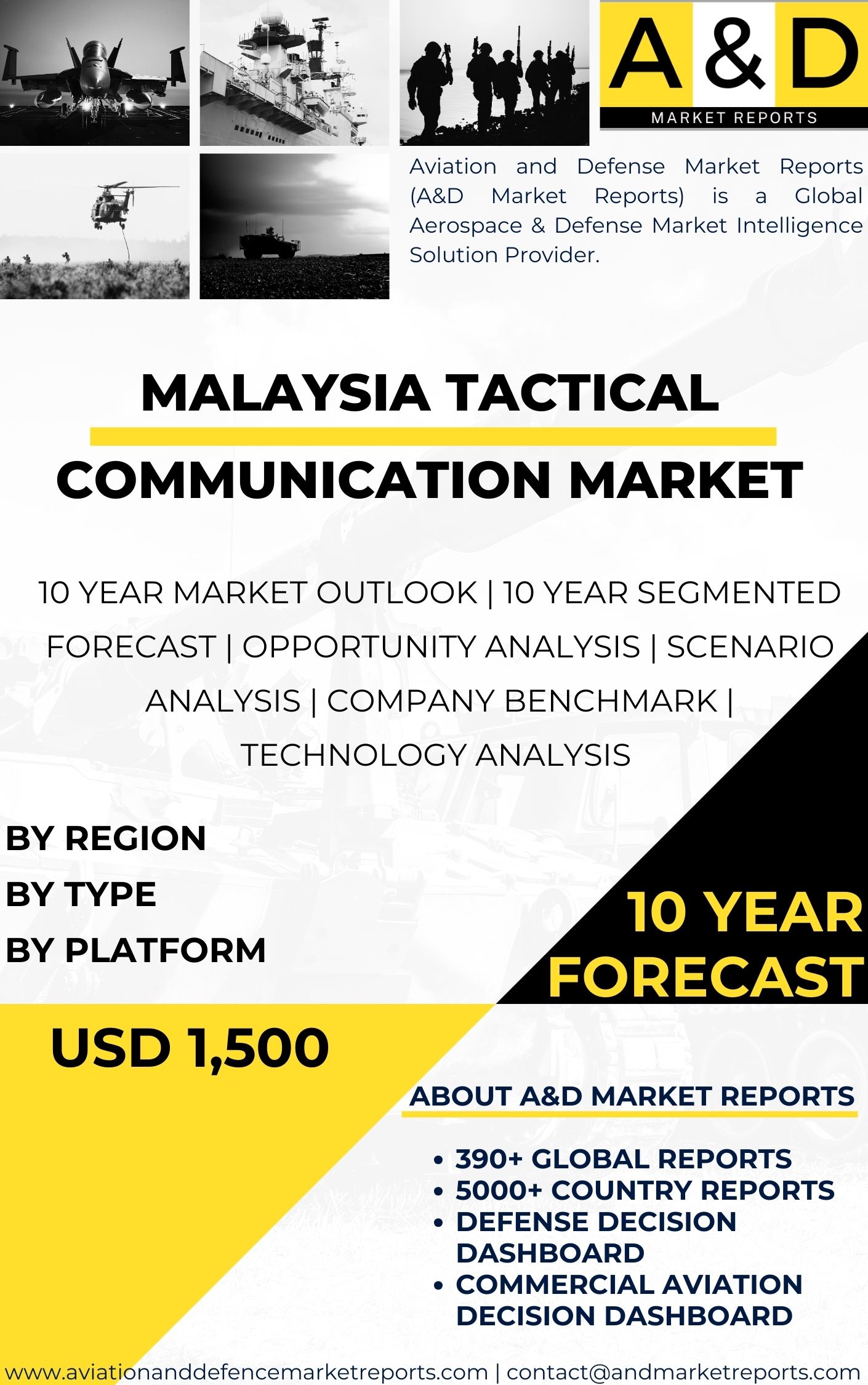
Malaysia Tactical Communication market has experienced substantial growth in recent years, reflecting the nation’s commitment to strengthening its defense capabilities, enhancing its military communication infrastructure, and improving interoperability among its armed forces. Tactical communication refers to advanced communication systems and technologies that enable military personnel to exchange mission-critical information, coordinate operations, and maintain situational awareness across diverse and dynamic operational environments. By adopting modern tactical communication solutions, Malaysia is building a resilient and efficient communication network that significantly enhances national defense preparedness and overall security.
Strategic Importance of the Tactical Communication Market in Malaysia
Malaysia’s geopolitical position in Southeast Asia exposes it to diverse and evolving security challenges, ranging from potential regional conflicts to counterterrorism operations and cross-border threats. In such an environment, advanced tactical communication systems play a crucial role in improving coordination, responsiveness, and decision-making across all branches of the Malaysian Armed Forces. These systems ensure that military units can operate cohesively under complex conditions, enabling rapid dissemination of intelligence and seamless operational execution.
Technological Advancements in the Tactical Communication Market in Malaysia
Technological innovation has been central to the growth of the Tactical Communication market in Malaysia. Modern systems incorporate sophisticated radio technologies, secure data transmission protocols, robust encryption mechanisms, and fully integrated networking architectures. These advancements significantly enhance communication reliability, improve data security, and support real-time operational awareness. The ability to operate in contested, remote, or electronically challenging environments further establishes these systems as indispensable assets in Malaysia’s military modernization efforts.
Defense Applications in the Malaysia Tactical Communication Market
Tactical communication systems are vital to the operational readiness of the Malaysian Army, Royal Malaysian Navy, and Royal Malaysian Air Force. These systems enable seamless connectivity across units, allowing personnel to share real-time intelligence, coordinate joint operations, and maintain uninterrupted command and control. Whether in land-based missions, naval deployments, or air operations, tactical communication networks ensure that military forces remain synchronized, informed, and capable of responding swiftly to emerging threats. The reliability and security of these systems directly influence mission success and operational safety.
Industrial Development in the Tactical Communication Market in Malaysia
The expansion of the Tactical Communication market aligns with Malaysia’s broader strategy of strengthening its domestic defense industrial base. The government has expressed interest in fostering indigenous capabilities through local research and development initiatives, as well as through collaborations with global defense technology firms. These partnerships support technology transfer, local manufacturing, and capacity building, enabling Malaysia to progressively develop its own tactical communication systems while reducing long-term dependence on foreign suppliers.
International Collaboration in the Malaysia Tactical Communication Market
Recognizing the importance of global expertise, Malaysia has engaged in international partnerships to acquire and refine advanced tactical communication technologies. Collaborations with leading global defense contractors and communication equipment manufacturers provide access to cutting-edge solutions and technical knowledge. These partnerships play a critical role in enhancing Malaysia’s ability to integrate modern communication platforms, train military personnel, and develop long-term strategic capabilities aligned with global defense standards.
Challenges
Despite its progress, the Tactical Communication market in Malaysia faces several challenges. The acquisition, maintenance, and modernization of sophisticated communication systems require substantial financial investment, which can place pressure on defense budgets. Ensuring seamless interoperability across different branches of the armed forces remains a key technical and operational requirement, necessitating standardized protocols and integrated networking solutions. Additionally, the growing importance of cybersecurity poses significant concerns, as tactical communication systems must protect sensitive data from cyberattacks, electronic interference, and unauthorized access.
Future Outlook
The future of the Tactical Communication market in Malaysia appears highly promising, driven by continued government commitment to defense modernization and investment in advanced military communication infrastructure. As technologies evolve, tactical communication systems are expected to incorporate enhanced networking capabilities, artificial intelligence-supported decision tools, and improved cyber protection features. Malaysia’s increasing involvement in regional security collaborations, multinational exercises, and defense cooperation initiatives will further shape demand for interoperable and highly secure communication solutions capable of operating alongside allied forces.
Conclusion
In conclusion, the Tactical Communication market in Malaysia has made remarkable progress, supported by strategic defense priorities, technological innovation, and international collaboration. The government’s emphasis on enhancing communication infrastructure and adopting advanced technologies has enabled the integration of modern tactical communication systems across the armed forces. However, challenges such as budget limitations, technological complexity, interoperability requirements, and cybersecurity risks must be addressed to sustain long-term growth. By continuing to invest in modern communication networks, Malaysia is well-positioned to strengthen its defense preparedness, improve operational coordination, and safeguard national security.