
Description
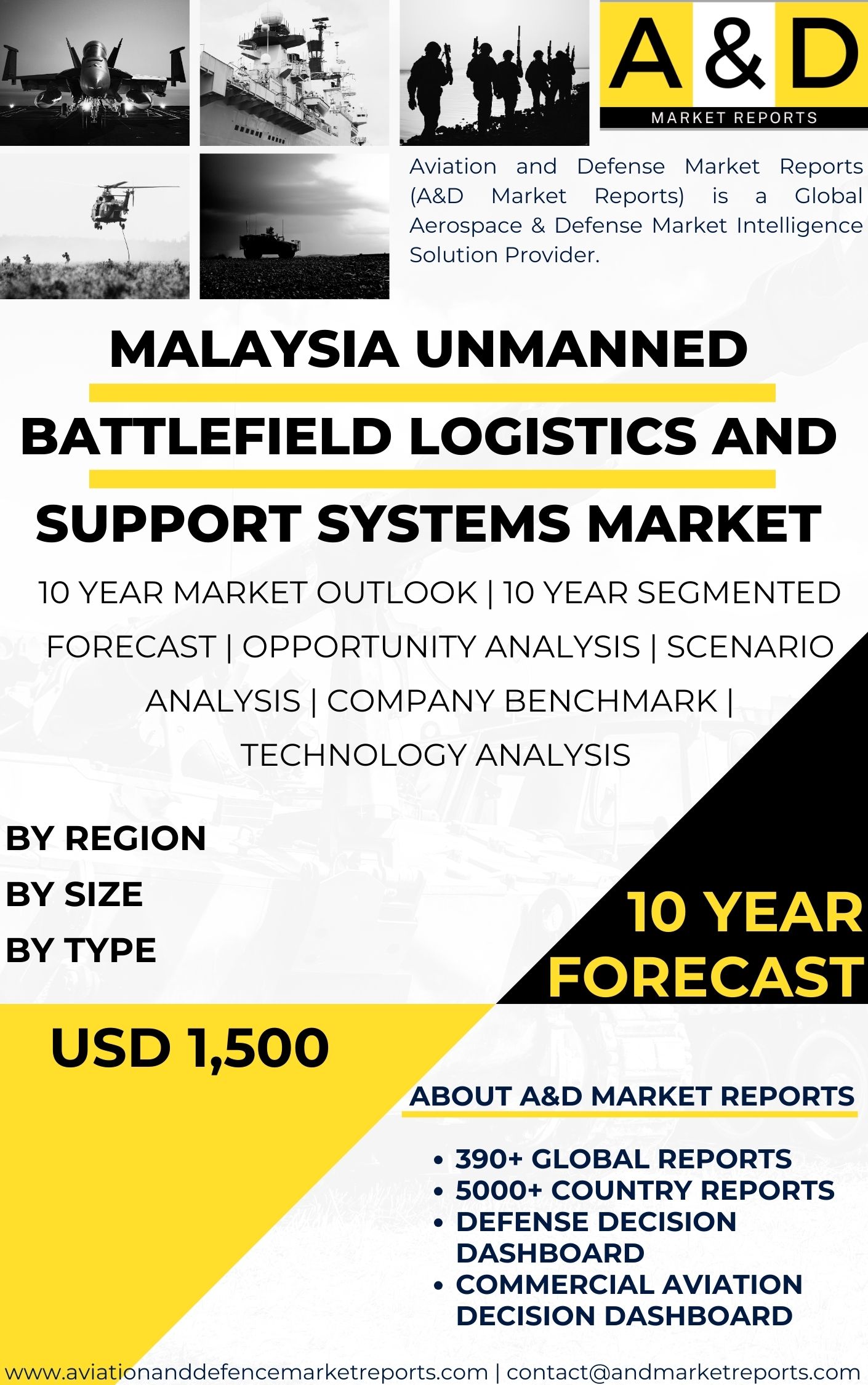
Malaysia Unmanned Battlefield Logistics and Support Systems market has grown steadily in recent years, driven by the country’s focus on strengthening military capabilities and adopting innovative technologies to support its armed forces. These systems include unmanned vehicles and autonomous technologies designed to deliver critical logistics on the battlefield, improve operational efficiency, and enhance the overall effectiveness of military operations. With modern unmanned solutions, Malaysia is building a more responsive and technologically advanced logistics network to support its defense strategy.
Strategic Importance of the Unmanned Battlefield Logistics and Support Systems Market in Malaysia
Malaysia’s position in Southeast Asia makes it vulnerable to evolving security challenges that demand a mobile, flexible, and modern military force. Unmanned battlefield logistics systems help address these needs by ensuring the timely delivery of supplies, reducing human risk during hazardous missions, and enabling rapid support for frontline units. These systems contribute significantly to Malaysia’s operational readiness and strengthen the nation’s overall defense posture.
Technological Progress in the Unmanned Battlefield Logistics and Support Systems Market in Malaysia
The market has benefitted from rapid advancements in unmanned technologies, including unmanned ground vehicles, unmanned aerial vehicles, unmanned underwater vehicles, and autonomous supply chain systems. These platforms are increasingly equipped with advanced sensor suites, artificial intelligence capabilities, machine learning algorithms, and secure communication networks. Such technologies enable autonomous navigation, real-time decision-making, and seamless operation in contested environments. As these technologies evolve, Malaysia is integrating them into various missions to improve logistics performance and battlefield agility.
Role of the Malaysian Armed Forces in the Unmanned Battlefield Logistics and Support Systems Market
Unmanned systems have become essential tools across the Malaysian Army, Royal Malaysian Navy, and Royal Malaysian Air Force. These systems support critical missions, including the transport of supplies, casualty evacuation, reconnaissance, surveillance, and intelligence gathering. By incorporating unmanned logistics solutions, the Malaysian Armed Forces are enhancing mission endurance, reducing manpower strain, and increasing operational safety.
Industrial Development in the Unmanned Battlefield Logistics and Support Systems Market in Malaysia
The Malaysian government is prioritizing the growth of its defense industrial base by supporting local development and production of unmanned systems. Through investment in research and development and strategic partnerships with international defense manufacturers, Malaysia is strengthening its indigenous capabilities. These initiatives encourage innovation, support technology transfer, and foster long-term self-reliance in unmanned warfare technologies.
International Collaboration
Malaysia’s partnerships with global defense companies play a vital role in acquiring advanced unmanned technologies. These collaborations offer access to cutting-edge expertise, global best practices, and emerging solutions. Through joint development programs and industrial cooperation, Malaysia is enhancing local engineering capabilities and creating a foundation for future unmanned system innovation.
Challenges
Despite promising growth, the market faces several challenges. High acquisition and lifecycle costs remain a significant concern, as advanced unmanned systems require substantial investment in R&D, procurement, training, and maintenance infrastructure. Budget constraints may limit the speed of modernization.
Training is another critical factor. The successful deployment of unmanned systems requires skilled operators and maintenance personnel capable of handling advanced technologies. Ensuring interoperability among different service branches, platforms, and system types is equally important, especially for joint operations and coalition missions.
Future Outlook
The future of the market appears promising as Malaysia continues to prioritize unmanned technologies to modernize its logistics and support capabilities. Ongoing government support, coupled with evolving defense needs, will drive sustained investment. As unmanned technologies demonstrate growing value in military operations, they are expected to take on an even greater role in Malaysia’s national defense strategy.
Participation in regional security frameworks and multinational exercises will influence Malaysia’s future requirements for interoperable and coalition-ready unmanned systems. These engagements help Malaysia align its capabilities with global defense standards and promote the integration of next-generation autonomous systems into its military structure.
Conclusion
In conclusion, the Unmanned Battlefield Logistics and Support Systems market in Malaysia has made significant progress, reflecting the country’s commitment to modernizing its defense infrastructure and adopting advanced autonomous technologies. Through international collaboration, domestic R&D initiatives, and structured modernization programs, Malaysia is building a strong foundation in unmanned logistics and battlefield support.
Despite challenges related to cost, technology development, personnel training, and system integration, Malaysia remains positioned for continued growth. By maintaining momentum in unmanned logistics innovation, the country can strengthen its defense preparedness, enhance operational efficiency, and build a robust military logistics network capable of meeting future threats.