
Description
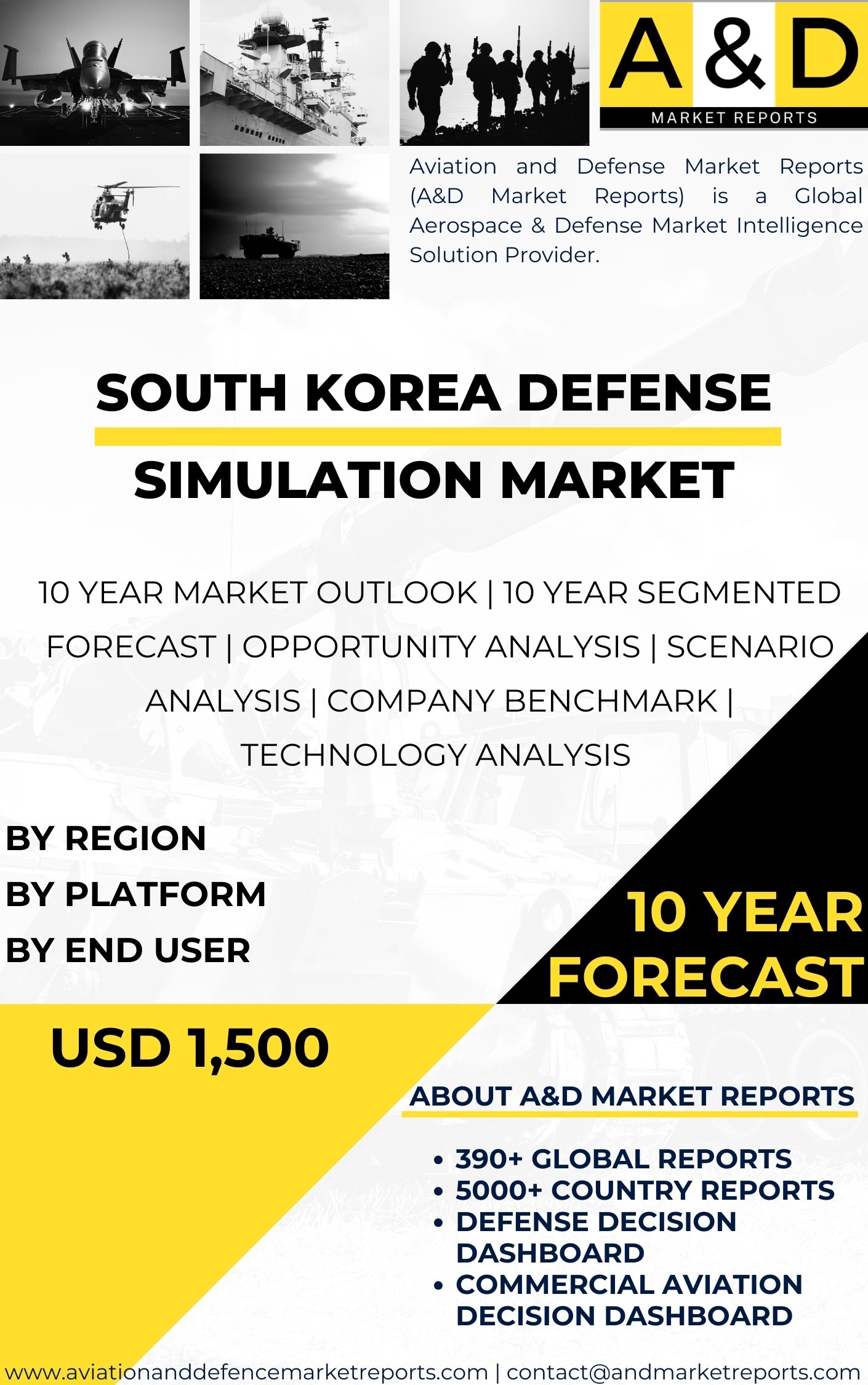
South Korea Defense Simulation Market Overview
The South Korea defense simulation market is a fast-growing part of the country’s defense industry. Defense simulation uses digital tools to recreate real military situations. These systems help train soldiers in safe and controlled environments. Growing security concerns continue to increase demand for simulation-based training.
Development of the South Korea Defense Simulation Market
The South Korea defense simulation market grew with military modernization programs. Rising regional threats created a need for better training methods. Simulation technology became essential for preparing troops for complex missions.
Current Landscape of the South Korea Defense Simulation Market
The South Korea defense simulation market includes several advanced training technologies. These systems support different branches of the armed forces.
Key Defense Simulation Technologies
-
Virtual reality (VR) training systems
-
Augmented reality (AR) tools
-
Constructive and mission simulations
-
Gaming-based military training platforms
These technologies improve realism and training efficiency.
Growth Drivers in the South Korea Defense Simulation Market
Several factors support market growth.
Focus on Domestic Defense Development
South Korea promotes local defense technology production. Government funding supports research and innovation. This strengthens defense simulation capabilities.
Improved Military Training and Readiness
Simulation systems offer realistic combat training. Soldiers gain experience without real-world risks. This improves readiness and decision-making.
Strategic Security Needs
South Korea operates in a sensitive security environment. Simulation tools help train forces across land, sea, air, and cyber domains.
Technology Strength and Industry Support
The South Korea defense simulation market benefits from strong IT and electronics industries. Local expertise in software and digital systems supports high-quality simulation development.
Strategic Partnerships and Cooperation
South Korea collaborates with international simulation technology providers. These partnerships support technology access and system improvement. Knowledge sharing helps improve training standards.
Challenges in the South Korea Defense Simulation Market
The market also faces several challenges.
Continuous Technology Improvement
Military threats evolve rapidly. Simulation systems must stay realistic and accurate. Ongoing research investment is necessary.
Competitive Market Conditions
International suppliers remain strong competitors. South Korean firms must focus on specialized training solutions.
System Integration Issues
Simulation platforms must work with existing defense systems. Integration requires advanced engineering skills.
Future Outlook of the South Korea Defense Simulation Market
The South Korea defense simulation market shows strong future potential. Government support and procurement programs will drive adoption. Workforce training will support long-term growth.
Conclusion
The South Korea defense simulation market plays a key role in military training and readiness. Growth is driven by domestic innovation, security needs, and strong technical expertise. While challenges exist, continued investment and cooperation will support steady expansion. These efforts will strengthen South Korea’s defense training capabilities.