
Description
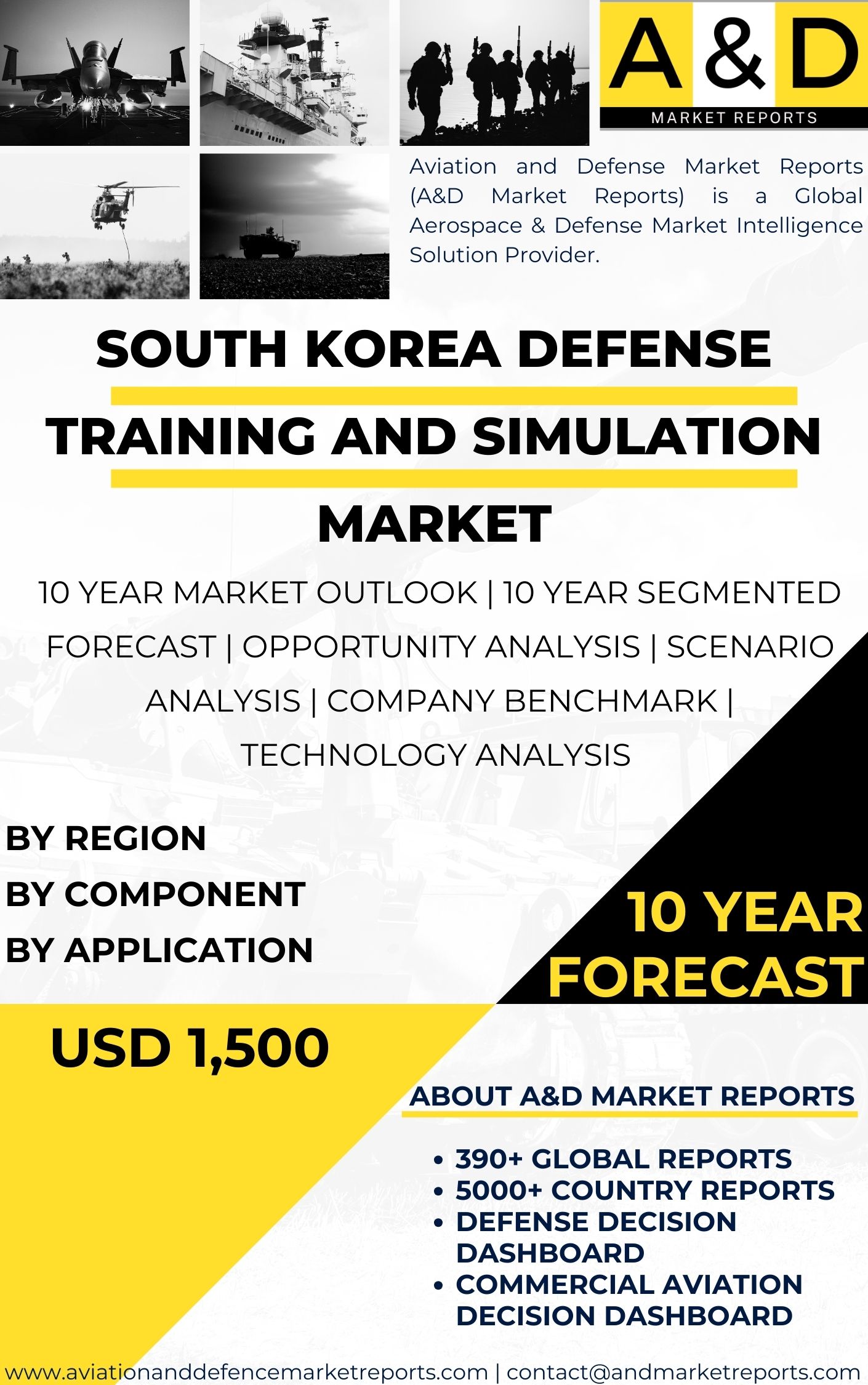
South Korea Defense Training and Simulator Market Overview
The South Korea defense training and simulator market is a fast-growing part of the country’s defense industry. It plays a key role in improving military readiness and operational efficiency. These systems help defense personnel train in safe, realistic, and controlled environments. As security challenges increase, demand for advanced training solutions continues to rise.
Historical Development of the South Korea Defense Training and Simulator Market
The growth of the South Korea defense training and simulator market began with the country’s push to modernize its armed forces. Rising security threats and complex combat scenarios created the need for advanced training tools. As a result, simulation-based training became a priority for improving skill levels and preparedness.
Current Market Landscape and Key Technologies
Today, the South Korea defense training and simulator market includes a wide range of technologies. These systems support different branches of the armed forces.
Key Training and Simulator Systems
-
Flight simulators
-
Ground vehicle simulators
-
Naval simulators
-
Virtual reality (VR) training systems
-
Constructive and mission simulation tools
These technologies allow soldiers to practice missions without real-world risks.
Growth Drivers in the South Korea Defense Training and Simulator Market
Several factors are driving market growth.
Focus on Domestic Defense Capabilities
South Korea is investing heavily in local defense technology. Government support for domestic manufacturing and research boosts innovation in training and simulation systems.
Improved Training Efficiency and Safety
Simulator-based training improves decision-making, coordination, and combat skills. It also reduces training costs and eliminates safety risks associated with live exercises.
Strategic Security Environment
South Korea’s location in Northeast Asia increases the need for constant military readiness. Realistic training systems help forces respond quickly and effectively to potential threats.
Role of Technology and Industry Strength
South Korea has strong capabilities in electronics and information technology. This strength supports the development of advanced simulation, VR, and digital training systems. The country’s defense electronics sector continues to enhance system quality and performance.
Strategic Collaborations and Partnerships
Partnerships with international defense technology providers support market growth. These collaborations enable technology transfer and improve system development standards. They also help South Korean companies expand their technical expertise.
Challenges in the South Korea Defense Training and Simulator Market
Despite strong growth, the market faces several challenges.
Need for Continuous Innovation
Defense training systems must evolve with changing warfare tactics. Continuous research and development are essential to maintain realistic training environments.
Competitive Market Environment
International suppliers dominate many segments of the defense training industry. Local companies must focus on niche solutions and specialized systems to stay competitive.
Technical Integration Issues
Integrating new simulators with existing training infrastructure can be complex. Interoperability and system compatibility require advanced engineering skills.
Future Outlook of the South Korea Defense Training and Simulator Market
The future of the South Korea defense training and simulator market remains positive. Continued investment in research, engineering talent, and advanced technologies will support long-term growth.
Government funding, procurement programs, and workforce development will further strengthen the market. Training programs focused on simulation technology will help build a skilled talent base.
Conclusion
The South Korea defense training and simulator market is a vital component of the nation’s defense strategy. Strong government support, rising security needs, and technological expertise continue to drive growth. While challenges remain, strategic investments and collaborations will help South Korea strengthen its defense training capabilities and maintain high military readiness.