
Description
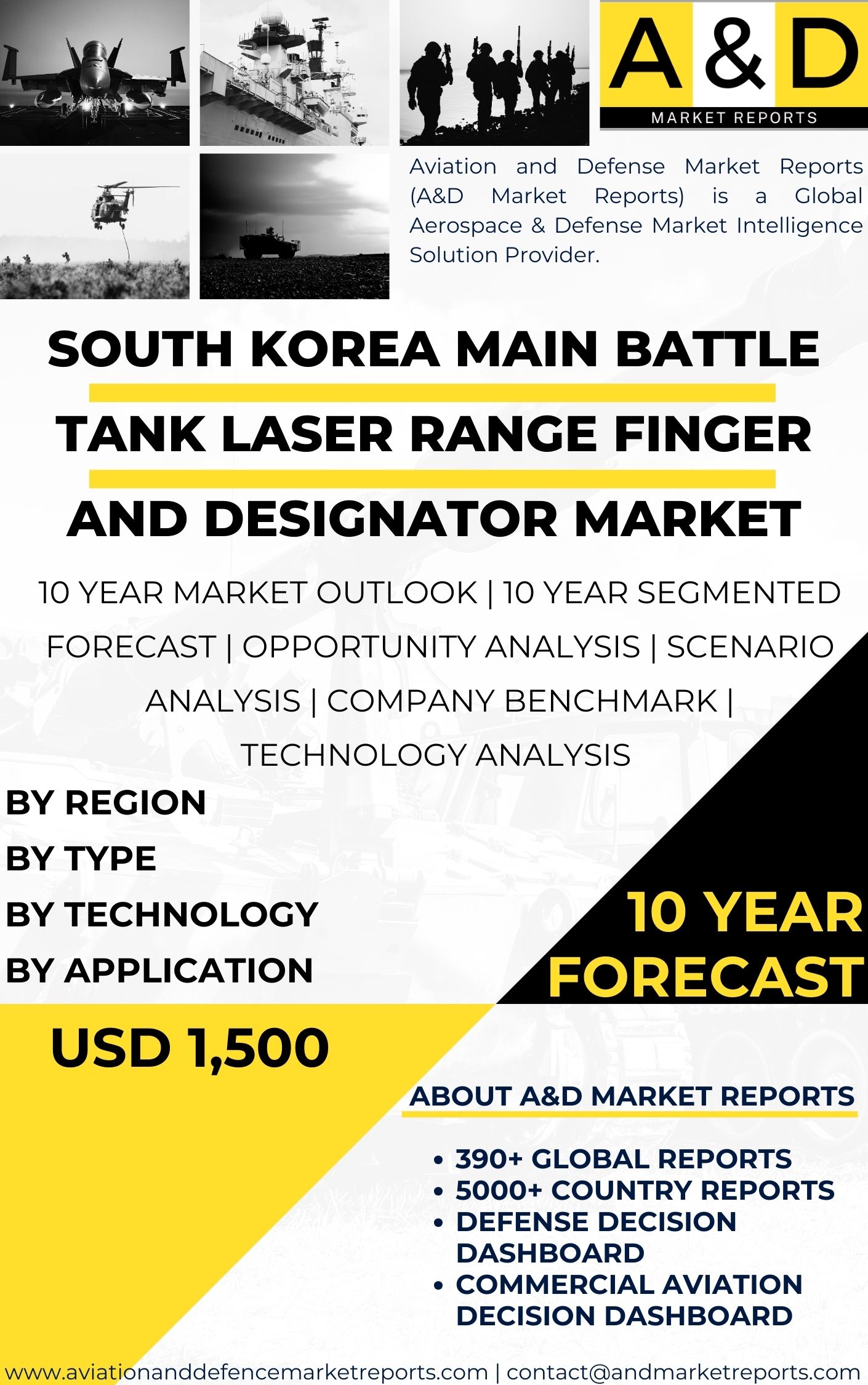
South Korea MBT Laser Rangefinder and Designator Market Overview
The Main Battle Tank Laser is a vital part of the nation’s armored warfare capability. These systems support accurate targeting and battlefield awareness. They are integrated into modern tanks such as the K1A1 and K2 Black Panther.
Laser rangefinders measure exact target distance. This improves firing accuracy during combat. Laser designators guide precision-guided munitions to their targets.
Role of Laser Systems in Main Battle Tank Laser
Laser rangefinders form a core element of tank fire control systems. They help crews engage targets quickly and accurately. These systems work in fast-moving combat environments.
The South Korea MBT laser rangefinder and designator market also supports precision strike operations. Designators guide tank-fired and supporting laser-guided weapons.
Fire Control System Integration
Modern South Korean tanks use digital laser rangefinders with stabilized sights. These include gunner and commander sight systems. Laser pointers support target marking and crew coordination.
These systems operate in all conditions. They work during day and night. They function in dust, fog, and battlefield smoke.
Technology Development and Innovation
Domestic research drives progress in the South Korea MBT laser rangefinder and designator market. Engineers focus on longer range and faster response times. Resistance to electronic interference is also a priority.
Design improvements reduce system weight and power use. Maintenance is simpler and faster. These features support high battlefield readiness.
Performance and Survivability Features
Laser systems must survive harsh combat conditions. They endure shock, vibration, and temperature changes. Reliability is critical during armored operations.
Key performance factors include low ranging error and fast refresh rates. Secure communication and accurate target recognition also matter.
Network-Centric Warfare Capabilities
South Korea equips its MBTs for network-based combat. Laser data feeds into battlefield management systems. This supports coordinated fire missions and unit-level data sharing.
The South Korea MBT laser rangefinder and designator market strengthens situational awareness. It also improves crew safety through long-range engagement.
Procurement and Industrial Strategy
The government supports defense self-reliance through local production. Procurement programs focus on technology transfer and co-development. These efforts strengthen domestic supply chains.
Partnerships support innovation and system compatibility with allied forces. Export readiness is also a key objective.
Safety, Training, and Sustainability
Manufacturers follow strict safety standards for laser emissions. Energy efficiency is a design priority. Environmental compliance supports long-term use.
Training support includes simulation-ready systems. Maintenance packages help operators sustain performance over time.
Conclusion
The South Korea MBT laser rangefinder and designator market represents advanced electro-optical engineering and combat integration. These systems improve accuracy, survivability, and battlefield coordination.
Continued investment in technology and training will support armored force modernization. This market remains central to South Korea’s defense strength and future export growth.