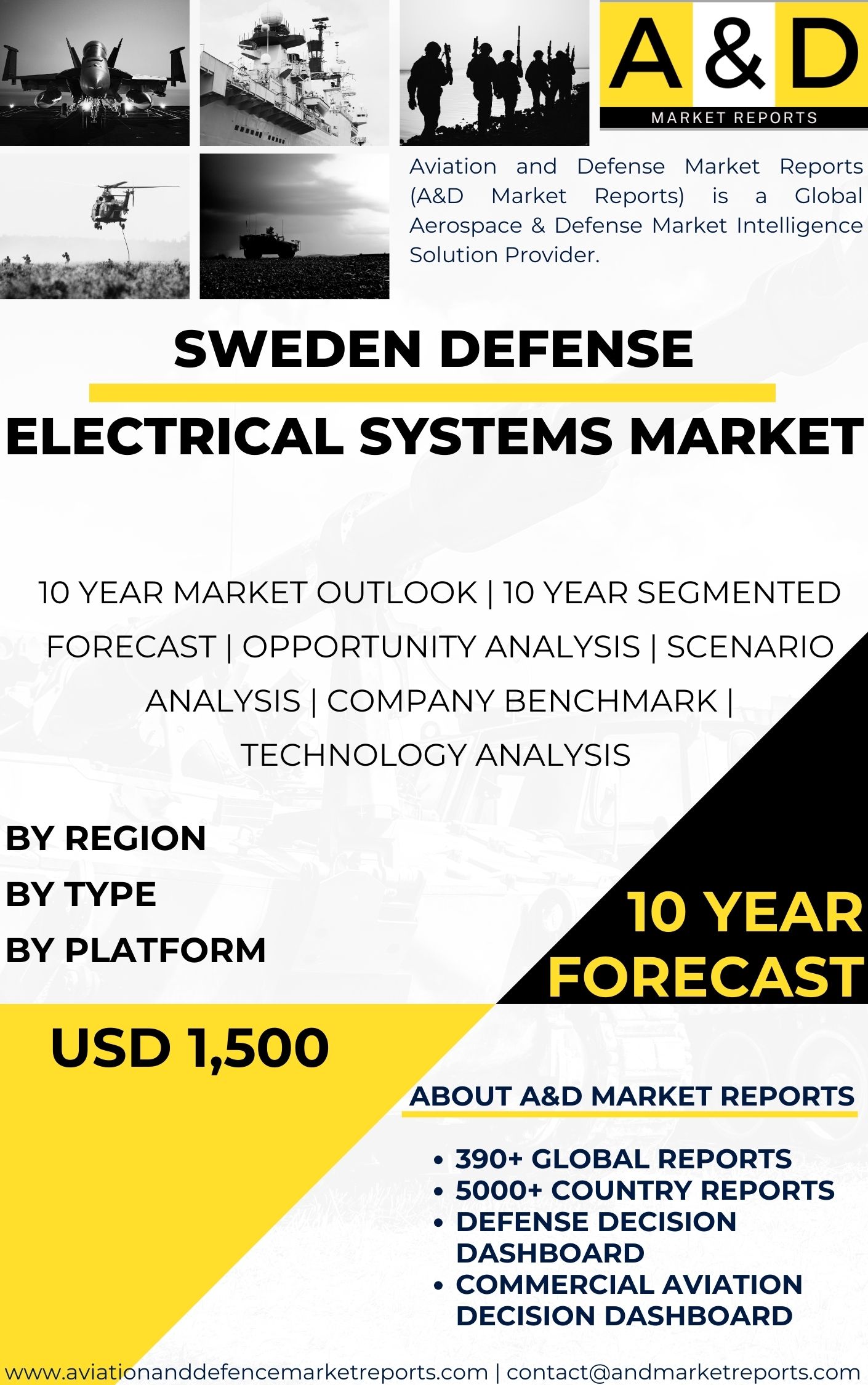

Description
Sweden Defense Electrical Systems Market – Regulatory Framework and Standards
The Sweden Defense Electrical Systems Market operates under a strict regulatory framework. These rules ensure all systems meet high standards for safety, reliability, and interoperability. Both domestic and international authorities oversee compliance. Key regulations cover electromagnetic compatibility, functional safety, environmental resilience, and cybersecurity.
Defense electrical systems undergo rigorous testing to meet these standards. Systems are evaluated in laboratories and field trials. Interoperability with existing platforms such as vehicles, aircraft, naval vessels, and autonomous systems is verified. Components must demonstrate durability under extreme conditions, including electromagnetic interference, high stress, and combat situations.
Compliance also includes export controls. Systems using foreign technology must meet both Swedish and international standards. This adds a layer of verification but ensures Swedish systems remain credible in global markets. Overall, the regulatory framework supports safety, operational effectiveness, and Sweden’s reputation as a reliable defense electronics supplier.
Sweden Defense Electrical Systems Market – Indigenization and Technology Strategy
A key focus of the Sweden Defense Electrical Systems Market is indigenization. Sweden aims to reduce reliance on foreign suppliers. Domestic research, development, and manufacturing are prioritized for power distribution systems, control modules, and electronics suites.
The government supports these efforts with funding, policies, and programs such as Defense Innovation 4.0. This program encourages digital engineering, advanced manufacturing, and Industry 4.0 adoption. Systems are also designed to be resilient to cyber threats. With networked operations becoming common, electrical components must resist hacking, jamming, and data compromise.
Indigenization strengthens national security. It also positions Sweden as a leader in high-tech defense electronics. Local innovation ensures operational autonomy and aligns with strategic defense goals.
Sweden Defense Electrical Systems Market – Market Entry and Compliance
Entering this market requires navigating complex processes. Manufacturers must validate systems, test interoperability, and meet export regulations. Offset policies often require collaboration with Swedish firms or local production. This ensures knowledge and technology remain in Sweden.
Export compliance is also critical. Systems that use allied technologies must follow licensing and security rules. Companies must protect intellectual property and data while working internationally. Although these requirements are challenging, they increase the credibility and global competitiveness of Swedish defense electrical systems.
Sweden Defense Electrical Systems Market – Industry Trends and Innovation
Innovation drives the Sweden Defense Electrical Systems Market. Modular designs are now common. They allow rapid upgrades and integration across multiple platforms. Electronics suites increasingly include AI-driven diagnostics and predictive maintenance. These features reduce downtime and improve readiness.
Autonomous vehicles, drones, next-generation radar, sensor networks, and digital battlefield systems increase demand for reliable, secure electrical systems. Energy-efficient power distribution, circuit protection, and smart grid solutions are also growing areas. These technologies enhance performance while supporting environmental sustainability.
Collaboration between manufacturers, universities, and research institutions accelerates innovation. Digital twins and simulation testing optimize design and reduce costs. AI and VR tools are applied to improve system performance and reliability.
Market – Challenges and Opportunities
The market faces challenges. High compliance requirements make entry difficult. Continuous R&D is necessary to keep up with electronic warfare, cyber threats, and autonomous systems. Supply chain management is complex due to security and export rules.
However, opportunities are strong. Government incentives, defense budgets, and Sweden’s skilled industrial base support growth. There is global demand for modular, secure, and interoperable electrical systems. Innovation in AI, diagnostics, and autonomous integration further strengthens Sweden’s leadership.
Market – Future Outlook
The future of the Sweden Defense Electrical Systems Market is promising. Modernization programs and rising defense budgets will drive demand. Modular, interoperable, and cyber-resilient systems will dominate.
Collaboration between manufacturers, research institutions, and government agencies will continue to drive innovation. Sweden will maintain strategic autonomy while expanding global competitiveness. With a focus on reliability, security, and adaptability, the market is well-positioned to meet emerging defense challenges.