
Description
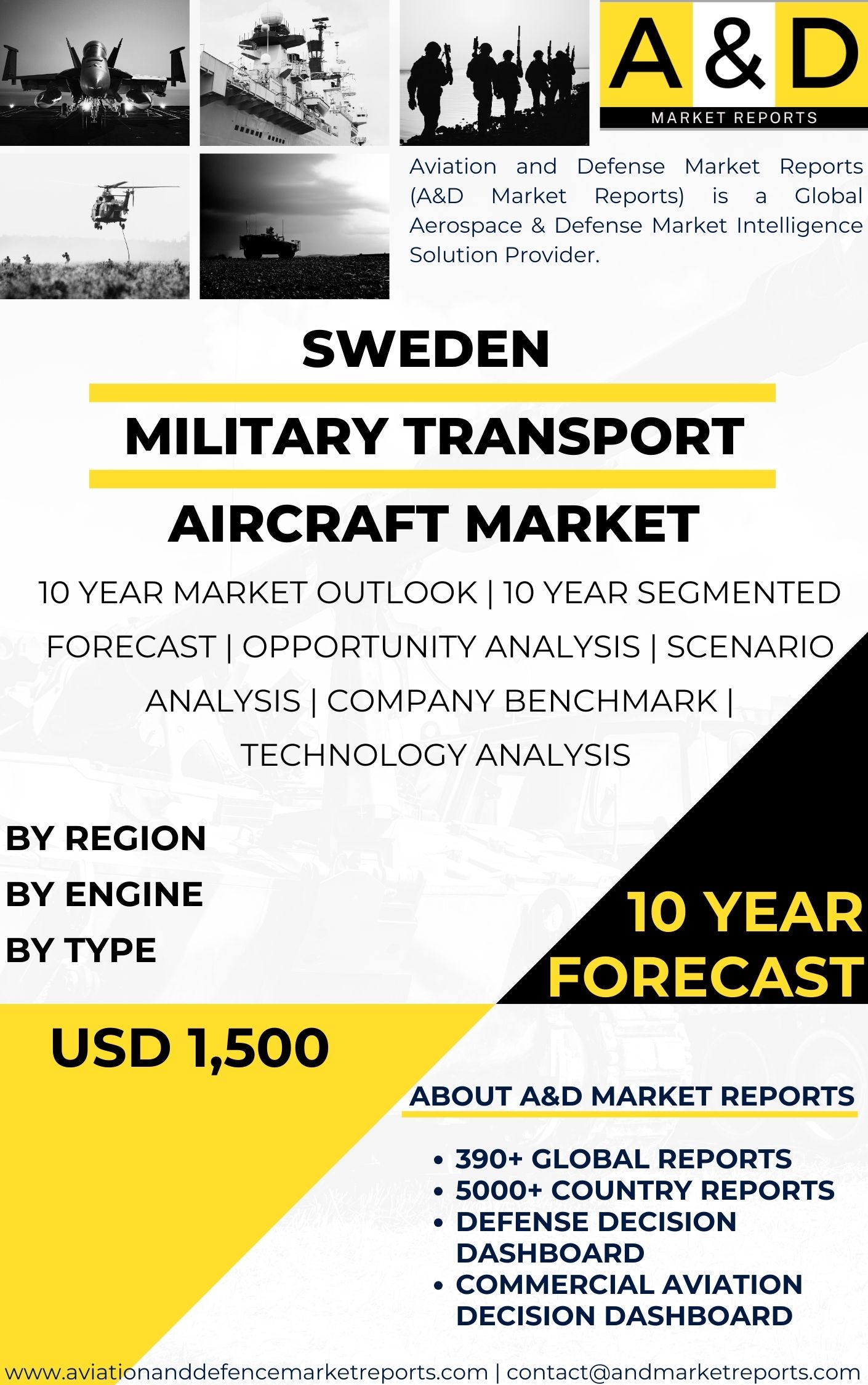
Sweden Transport Aircraft Market Overview
The Sweden Transport Aircraft Market holds a strategic position within the country’s defense framework and civil aviation ecosystem. Transport aircraft provide critical air mobility by carrying troops, cargo, and equipment across long distances. These aircraft support military operations, humanitarian missions, disaster relief, and commercial transportation. Sweden’s focus on defense readiness, innovation, and aerospace expertise has strengthened its role in the global transport aircraft market.
Military Transport and Tactical Airlift Role
In the defense sector, transport aircraft act as essential force multipliers. They allow the Swedish Armed Forces to deploy troops and equipment quickly and efficiently. This capability improves response times during emergencies, peacekeeping missions, and international operations. Tactical airlift aircraft also support operations in challenging environments, including remote and cold regions.
Logistics and Sustainment Operations
Transport aircraft play a key role in military logistics. They ensure the steady movement of supplies, fuel, spare parts, and essential equipment to operational units. This capability supports sustained military operations and improves mission endurance. Reliable air transport also strengthens Sweden’s ability to support allies during joint exercises and multinational deployments.
Civilian and Commercial Applications
Beyond defense, the Sweden Transport Aircraft Market serves civilian and commercial needs. Civil transport aircraft support regional connectivity by linking remote communities to major economic centers. Cargo aircraft play a vital role in trade, logistics, and supply chains. These platforms contribute to economic growth, tourism, and national connectivity.
Research, Development, and Technological Progress
Sweden invests consistently in research and development to enhance transport aircraft performance. Collaboration between aerospace firms, research institutions, and the military drives innovation. These efforts focus on modern avionics, efficient engines, and advanced cargo handling systems. As a result, transport aircraft achieve higher reliability, safety, and operational efficiency.
Aerospace Engineering and Design Expertise
The market benefits from Sweden’s strong aerospace engineering base. Domestic companies bring expertise in aircraft design, structural integrity, and mission adaptability. Engineers focus on improving payload capacity, range, and performance under demanding conditions. This technical strength allows Sweden to develop transport aircraft suited for both military and civilian missions.
Adoption of Emerging Technologies
Emerging technologies continue to reshape transport aircraft capabilities. Lightweight materials improve fuel efficiency and reduce emissions. Advances in propulsion systems lower operating costs. Automation and digital flight systems enhance safety and mission planning. These improvements support more sustainable and efficient air transport operations.
Export Market and International Presence
The Sweden Transport Aircraft Market also maintains a strong export focus. Swedish aircraft earn global recognition for reliability, performance, and regulatory compliance. Exports follow strict international aviation and arms trade regulations. This responsible approach strengthens Sweden’s reputation as a trusted aerospace supplier.
Market Challenges and Future Outlook
Despite steady progress, the market faces challenges. Budget constraints and competing defense priorities can affect procurement decisions. Maintaining a modern and cost-effective fleet remains essential. However, the long-term outlook remains positive. Rising demand for air mobility, continued R&D investment, and international cooperation will drive growth. Sweden’s commitment to innovation ensures its transport aircraft remain vital assets for defense readiness, civilian mobility, and global aviation operations.