
Description
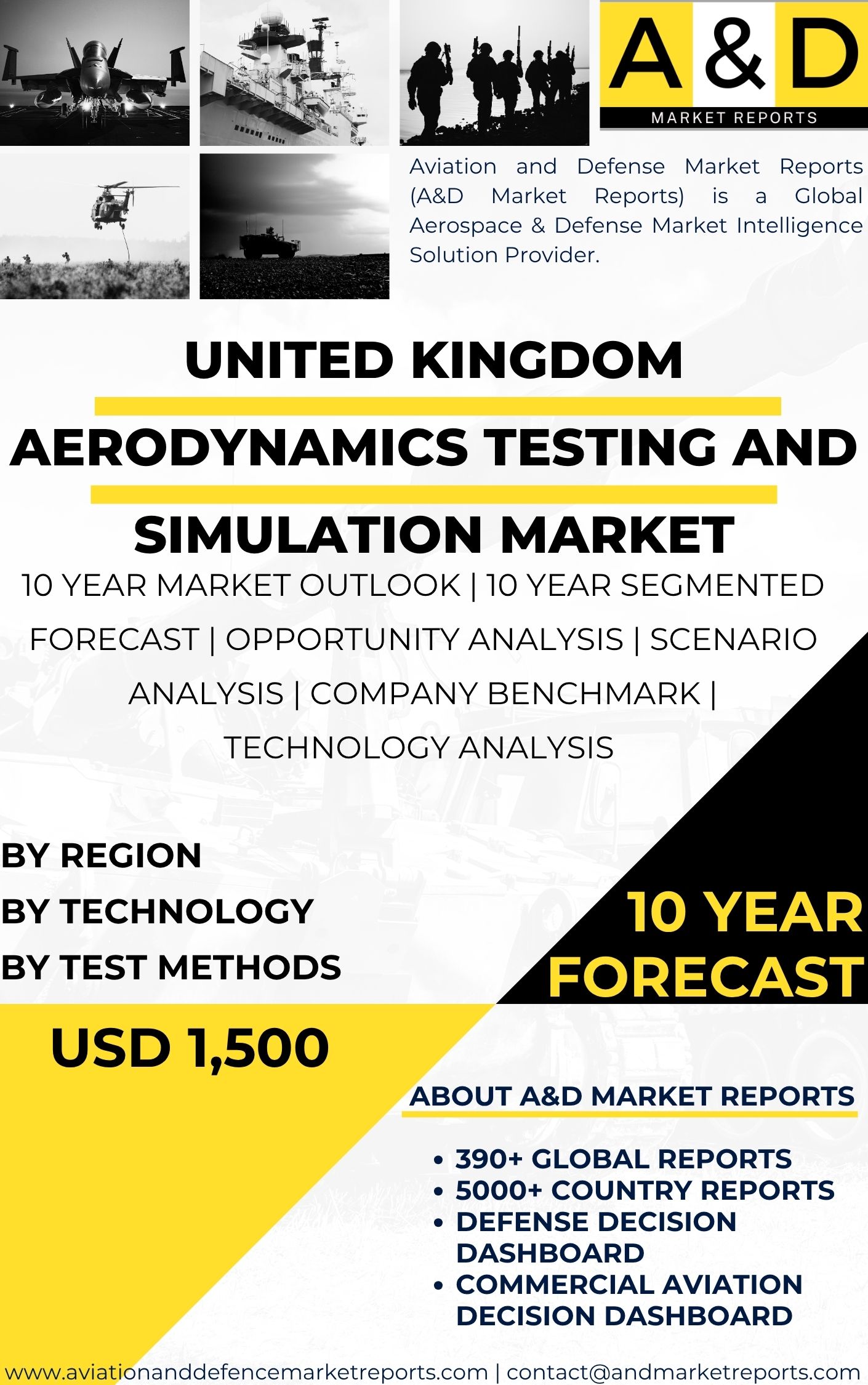
Aerodynamics Testing and Simulation in the United Kingdom
Aerodynamics Testing and Simulation covers a wide range of experimental and digital methods used to study airflow around vehicles, aircraft, and other engineered systems. This field combines physical tests in advanced facilities with computational modelling to understand drag, lift, pressure changes, and flow behavior. The UK hosts several leading research centers, private companies, and specialized laboratories that support industries such as aerospace, automotive, rail transport, and maritime engineering. Their combined efforts help improve performance, reduce energy use, and enhance safety across different sectors.
Experimental Methods in Aerodynamics Testing and Simulation in the United Kingdom
Physical testing remains a core part of aerodynamics testing and simulation in the United Kingdom, with facilities that support full-scale and model-scale experiments. Wind tunnels and moving-model rigs help measure key aerodynamic forces, surface pressure patterns, and real-world flow effects. The University of Birmingham, for example, runs advanced rigs that simulate how vehicles move relative to their environment. These systems capture slipstream behavior, crosswinds, and transient events that affect trains and high-speed vehicles. Such tests provide valuable data about stability and performance under varying environmental conditions.
Computational Approaches in Aerodynamics Testing and Simulation in the United Kingdom
Computational Fluid Dynamics (CFD) plays an essential role in aerodynamics testing and simulation in the United Kingdom. UK universities and companies use methods like RANS and LES to model airflow with high precision. These simulations are useful for scenarios that are costly or unsafe to recreate in physical tests, such as extreme weather or unusual flight conditions. High-performance computing resources make it possible to run detailed simulations that show flow separation, turbulence, and pressure changes. This approach supports faster design cycles and helps engineers test multiple design options without needing physical prototypes.
Specialized Facilities Supporting Aerodynamics Testing and Simulation in the United Kingdom
The country hosts unique facilities that strengthen the aerodynamics testing and simulation in the United Kingdom. One key example is the Catesby Tunnel, an underground testing site that allows full-scale vehicle assessments in a controlled setting. Its stable environment ensures repeatable test results and enables precision measurements for automotive and motorsport applications. The tunnel’s consistent atmospheric conditions and quiet surroundings help engineers gather reliable aerodynamic data year-round. These capabilities make it one of the most advanced testing environments in Europe.
Academic Contributions to Aerodynamics Testing and Simulation in the United Kingdom
UK universities play an important role in advancing aerodynamics testing and simulation in the United Kingdom through research and teaching. Courses in aerospace dynamics and fluid mechanics prepare students to use both physical and digital testing methods. Research programs focus on flight dynamics, turbulence modeling, and vehicle aerodynamics. Practical training in wind tunnels, simulation labs, and design projects ensures students gain hands-on experience. These programs help build a skilled workforce that supports innovation in industry and academia.
Wind Tunnel Resources for Aerodynamics Testing and Simulation in the United Kingdom
Wind tunnel testing remains a key component of aerodynamics testing and simulation in the United Kingdom. The Wolfson Unit at the University of Southampton provides independent testing for industries such as marine engineering and aerospace. Its tests include force measurements, flow visualization, and performance prediction for sailing yachts, commercial ships, and aircraft components. The unit also combines wind tunnel data with towing tank studies to understand how aerodynamic forces interact with water flows. This multi-physics approach improves predictions of stability, resistance, and steering performance.
Industrial Applications of Aerodynamics Testing and Simulation in the United Kingdom
Private companies also contribute to aerodynamics testing and simulation in the United Kingdom through consultancy and research services. They evaluate wind loads on buildings, optimize airflows around aircraft components, and help design efficient transportation systems. These firms use a mix of wind tunnel experiments, CFD simulations, and data analysis to assist clients in meeting performance and safety goals. Their work supports both commercial and defense applications, enabling quicker development cycles and better product reliability.
Integrated Methods in Aerodynamics Testing and Simulation in the United Kingdom
A major strength of aerodynamics testing and simulation in the United Kingdom is the integration between computational and experimental techniques. Engineers use wind tunnel data to validate simulation models, creating accurate digital twins that predict real-world behavior. This combined approach improves confidence in design decisions and helps optimize vehicle shapes for efficiency, noise reduction, and stability. It also supports innovation in electric vehicles, next-generation aircraft, and green transportation technologies.
Outlook for Aerodynamics Testing and Simulation in the United Kingdom
Overall, aerodynamics testing and simulation in the United Kingdom is supported by strong collaboration among universities, research centers, industry partners, and government programs. Investments in advanced facilities, computing power, and new materials research keep the UK at the forefront of aerodynamic innovation. These efforts contribute to cleaner transportation systems, safer aircraft, and more efficient vehicle designs. The sector remains a key part of the UK’s engineering strength, driving progress in multiple industries and supporting long-term technological leadership.