
Description
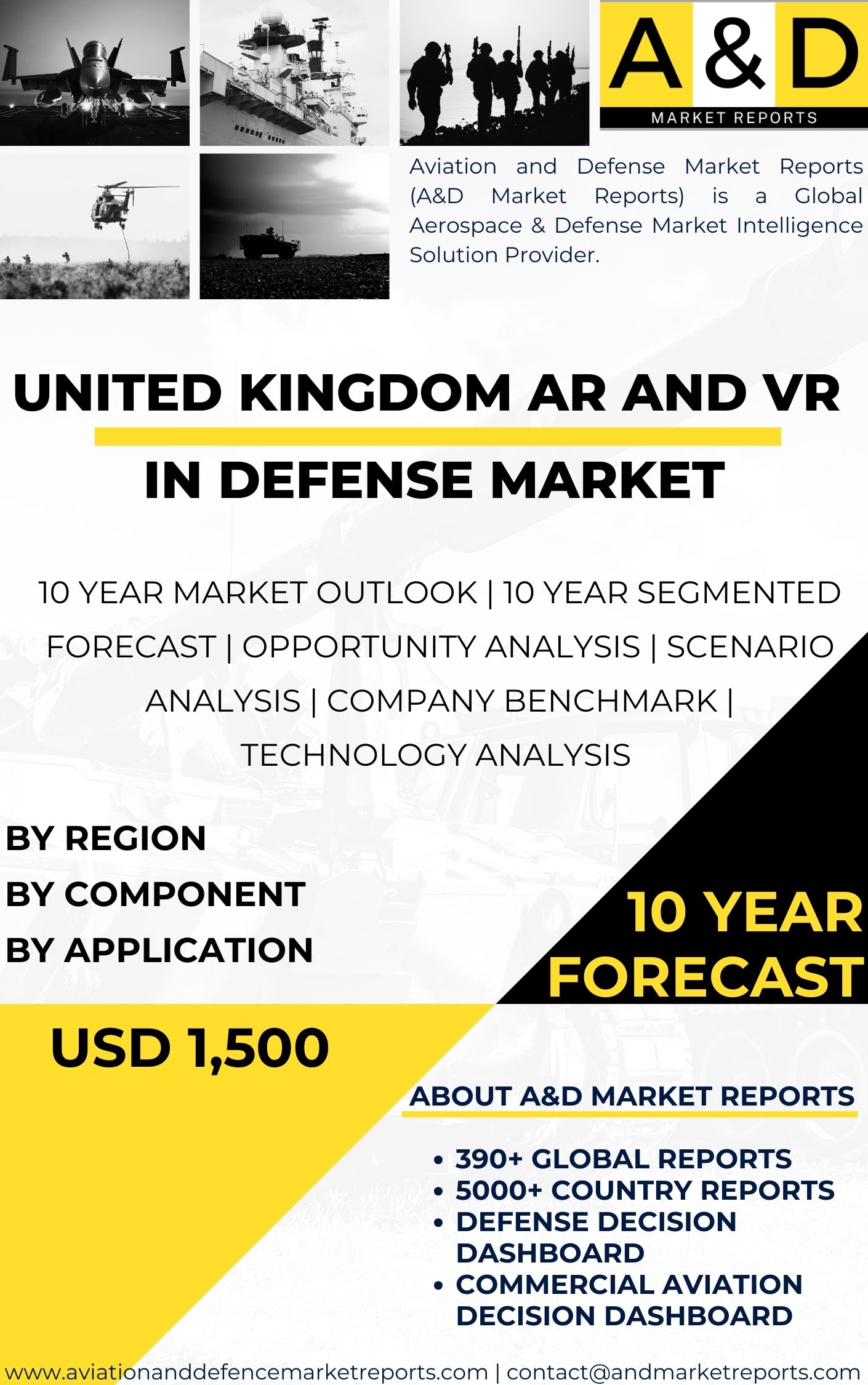
United Kingdom AR & VR in Defense Market
The United Kingdom AR & VR in Defense Market has grown rapidly as new technologies reshape modern military operations. These immersive tools now strengthen training, mission planning, and battlefield awareness. By creating realistic simulations, AR and VR help personnel practice critical skills with reduced risk. They also support faster decision-making, better preparedness, and more effective mission outcomes. As adoption increases, these technologies continue to influence the defense landscape across the UK.
Advancements in AR & VR for Military Training
The use of AR and VR in training allows soldiers to experience realistic scenarios without facing real-world dangers. Simulated environments replicate combat zones, hostile terrains, and complex missions. Personnel can practice tactical movements, marksmanship, and equipment handling with high accuracy. These controlled environments shorten learning curves and prepare troops for demanding operations. As a result, training becomes safer, faster, and more effective.
The UK Armed Forces have incorporated AR and VR into major training programs in partnership with leading defense contractors. These collaborations focus on creating interactive and adaptive systems that match actual combat conditions. The technology also supports joint and collective training sessions. Units from multiple branches or allied nations can operate together in shared virtual scenarios. This improves teamwork, operational coordination, and interoperability among forces.
Mission Planning and Real-Time Battlefield Support
Beyond training, AR and VR tools assist commanders in planning and rehearsing missions. Personnel can visualize terrain, threats, and objectives before deployment. This improved evaluation reduces errors and increases mission success. AR systems integrated into helmets and heads-up displays further enhance battlefield performance. Soldiers receive navigation cues, enemy positions, and equipment status in real time. This level of situational awareness helps them make decisions quickly and accurately.
Growth of AR & VR Solutions in the UK Defense Industry
The United Kingdom AR & VR in Defense Market continues to expand through contributions from major domestic defense companies. BAE Systems develops AR-enabled helmets and HUDs that project critical data into the soldier’s field of view. Companies like Bohemia Interactive Simulations develop VR-based training programs used widely by the UK Armed Forces. Partnerships with universities and research institutes accelerate innovation and support the development of new defense applications. These collaborations strengthen the industry’s capability to create next-generation AR and VR solutions.
Applications in Maintenance, Repairs, and Procurement
AR technologies also benefit equipment maintenance and repair activities. Technicians can follow step-by-step visual instructions displayed directly on the equipment. This speeds up repairs, reduces errors, and ensures operational readiness. In procurement, AR and VR help defense teams assess equipment designs before production. By visualizing components and system performance, decision-makers can identify issues early. This reduces development costs and shortens the acquisition timeline.
Key Challenges Impacting AR & VR Adoption
While AR and VR offer many advantages, several challenges affect their adoption in the UK defense sector. High development and implementation costs remain a significant barrier. Ensuring interoperability between various AR and VR systems is also crucial for seamless integration. Cybersecurity risks are another major concern as virtual environments store sensitive defense information. Protecting these systems from intrusion is essential to maintaining operational security.
Conclusion
The United Kingdom AR & VR in Defense Market is reshaping military training, mission planning, and operational readiness. Immersive simulations help prepare soldiers for complex missions, while real-time AR displays enhance battlefield decision-making. Collaboration between defense industries, research institutions, and the Armed Forces drives continuous improvements in these technologies. Although challenges such as cost and cybersecurity persist, the long-term benefits are substantial. AR and VR will continue to play a vital role in strengthening the UK’s defense capabilities.