
Description
Attitude Testing in the United Kingdom: Market Overview
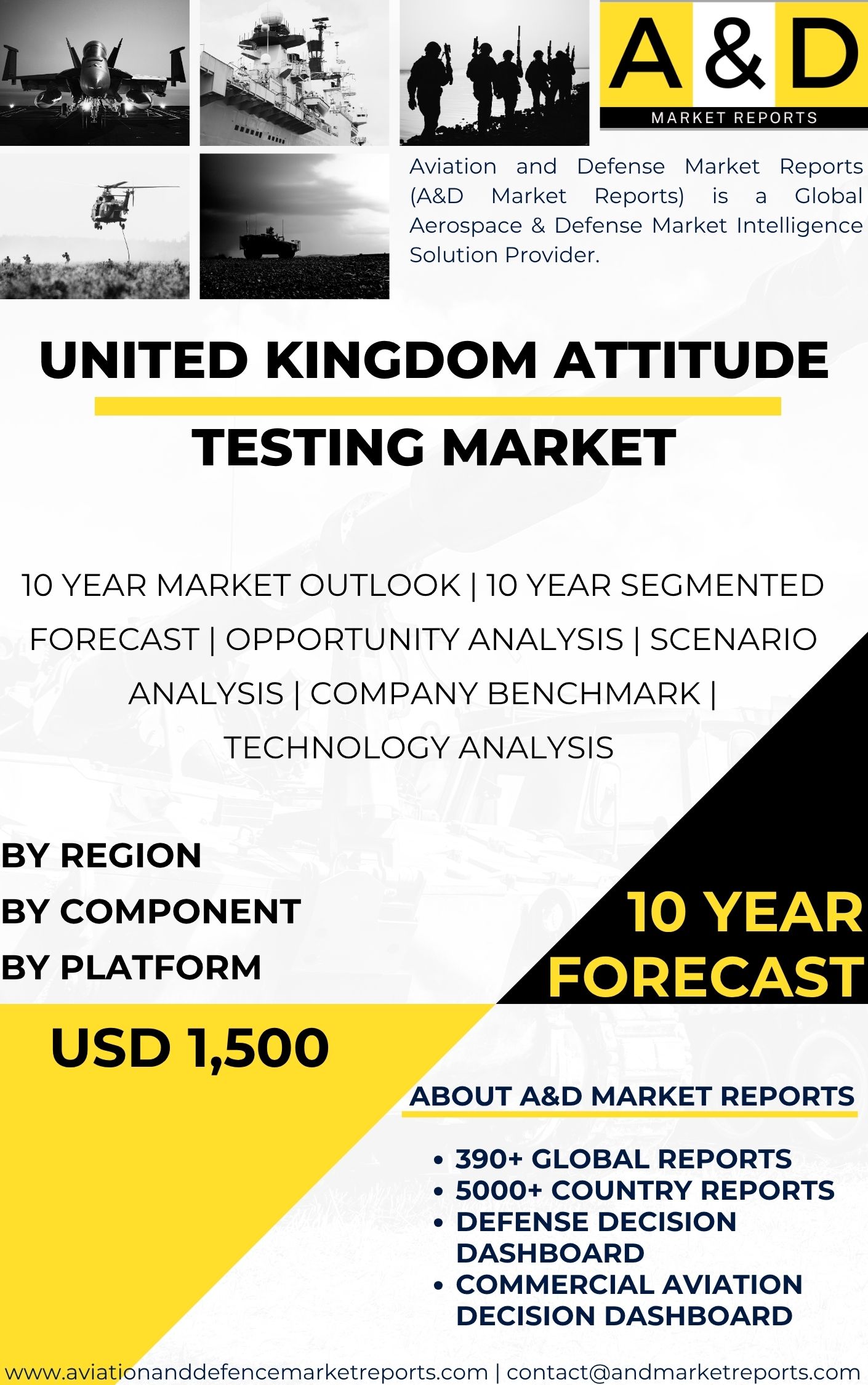
The market for United Kingdom Attitude testing is rapidly evolving due to rising demand across corporate, educational, and public sectors. These assessments evaluate personality, emotional intelligence, behavior, and cognitive styles to help organizations make better recruitment, training, and professional development decisions. Increasingly, UK businesses recognize the value of soft skills, cultural fit, and predictive indicators of job performance in driving productivity and engagement. Attitude testing provides actionable insights that improve hiring quality, employee retention, and team dynamics. Its adoption reflects a shift toward human-centered, data-driven workforce strategies that support long-term organizational growth.
Digital Transformation Driving Attitude Testing in the United Kingdom
The growth of attitude testing in the United Kingdom is strongly supported by digital technologies. Online platforms, mobile apps, and AI-powered assessment tools make tests more accessible, scalable, and personalized. Remote work and virtual recruitment further fuel demand for digital testing solutions, allowing organizations to evaluate employees and candidates without geographic constraints. Automation reduces manual effort, accelerates test cycles, and improves accuracy. Advanced psychometric platforms now offer deeper analytics and actionable recommendations, enabling HR teams to integrate insights with broader workforce management systems efficiently.
Corporate Applications of Attitude Testing in the United Kingdom
In the UK, businesses are major consumers of attitude testing in the United Kingdom. Human resources and talent acquisition teams leverage these tools to assess emotional intelligence, adaptability, resilience, and values alignment. Employers use testing to enhance hiring decisions, foster inclusive workplace cultures, and reduce turnover. Teams benefit from improved dynamics, while leaders gain insights to guide development and coaching programs. Organizations increasingly value these assessments not only for recruitment but also for internal development, succession planning, and performance optimization.
Educational and Public Sector Applications of Attitude Testing in the United Kingdom
Universities, colleges, and schools use attitude testing in the United Kingdom to support student career counseling, personalized learning, and targeted development programs. Educational institutions align teaching methods with individual cognitive and personality profiles to improve outcomes. Public sector initiatives that focus on mental health, wellbeing, and workforce development also adopt attitude testing. These assessments provide insights for leadership programs, wellness initiatives, and competency development, supporting holistic growth for students and employees alike.
Technological and Analytical Innovations in Attitude Testing in the United Kingdom
Advances in analytics, AI, and machine learning have transformed attitude testing in the United Kingdom. Modern platforms provide comprehensive reports with interpretations and actionable recommendations, enabling data-driven talent decisions. Gamification and adaptive testing enhance engagement and accuracy. Cloud-based solutions integrate seamlessly with HR systems, providing real-time insights. Providers focus on fairness, inclusivity, and data privacy, ensuring ethical use and cultural relevance. These innovations allow organizations to leverage testing as a strategic tool for workforce optimization and performance management.
Challenges and Market Trends in Attitude Testing in the United Kingdom
The UK market for attitude testing in the United Kingdom faces challenges such as standardization, data privacy compliance, and ensuring cultural relevance. Providers must meet strict regulatory requirements for secure data storage and usage. Organizations often seek localized or customized tests tailored to the UK workforce. At the same time, trends such as increasing focus on mental wellness, soft skills, and adaptability are expanding testing applications beyond recruitment. Providers continue to innovate with AI-assisted predictions, enhanced engagement, and integration with broader HR systems.
Future Outlook for Attitude Testing in the United Kingdom
The future of attitude testing in the United Kingdom is closely linked to AI, machine learning, and digital integration with HR technologies. Increasingly, assessments will inform talent management, learning, and engagement strategies. The emphasis on soft skills, emotional intelligence, and wellbeing will continue to expand testing applications. Companies can expect more personalized, efficient, and accurate insights into workforce potential. This growth promises a more empathetic, human-centered approach to understanding behavior and enhancing organizational performance, making attitude testing an essential tool in the evolving UK workplace landscape.