
Description
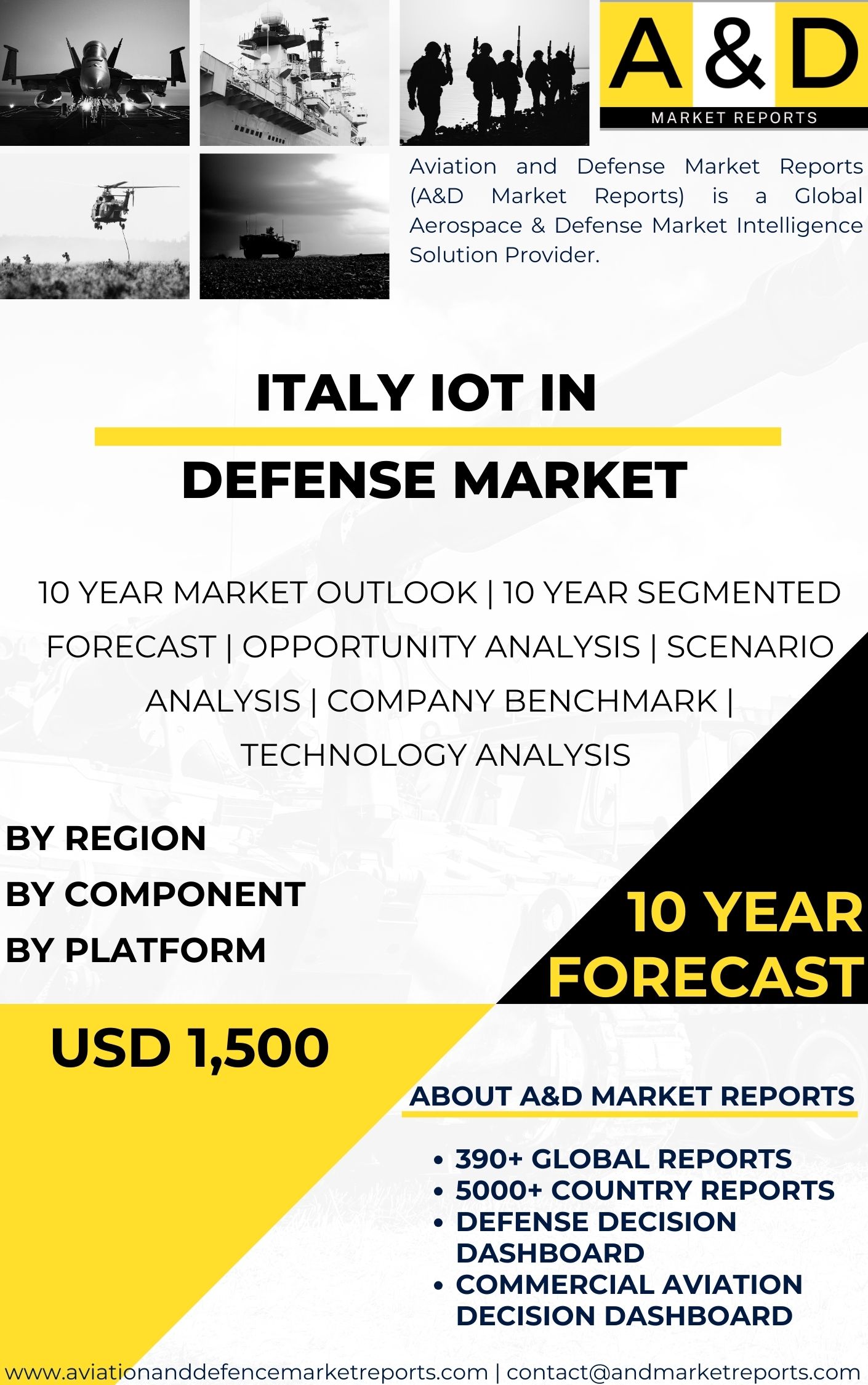
Overview of the Italy IoT in Defense Market
The Italy Internet of Things (IoT) in Defense market is a rapidly evolving and transformative segment within the country’s defense industry. IoT technology connects devices and systems through secure networks, enabling real-time data exchange and coordination. In military environments, this connectivity enhances situational awareness, improves operational efficiency, and strengthens decision-making capabilities. As a result, IoT has become an essential component of modern defense strategies. Italy’s adoption of IoT reflects its commitment to leveraging advanced technologies to maintain a strong and capable military force.
Strategic Importance and Market Drivers
Italy’s position as a member of NATO and other international alliances drives the need for advanced and interconnected defense systems. IoT plays a key role in supporting multinational operations by enabling seamless communication and coordination between allied forces. In addition, the increasing complexity of modern warfare requires faster and more accurate decision-making. Therefore, IoT technologies are being widely adopted to provide real-time insights and improve mission effectiveness. This growing demand continues to drive the expansion of the IoT in Defense market in Italy.
Applications Across Defense Operations
The Italy IoT in Defense market covers a wide range of applications, including communication, intelligence gathering, logistics, and maintenance. IoT-enabled devices such as sensors, drones, and wearable systems collect and transmit real-time data from the field. This data helps commanders monitor battlefield conditions, track assets, and manage resources more effectively. Moreover, IoT integration allows different systems to work together seamlessly, creating a connected and efficient defense ecosystem that enhances overall operational performance.
Role of Automation and Data-Driven Decisions
One of the key advantages of IoT in defense is its ability to automate routine tasks and support data-driven decision-making. Automated systems reduce the workload on military personnel, allowing them to focus on critical operations. At the same time, IoT-generated data provides valuable insights into mission environments, helping leaders make faster and more informed decisions. As a result, IoT significantly improves both efficiency and effectiveness in defense operations.
Key Industry Player and Innovation
A major contributor to the Italy IoT in Defense market is Leonardo S.p.A., which develops advanced digital and connected defense solutions. The company’s expertise in electronics, communication systems, and data integration supports the development of modern IoT-based military systems. In addition, collaborations with international defense firms and research institutions further enhance innovation and technological capabilities within the Italian defense sector.
Cybersecurity Challenges
Despite its advantages, IoT adoption in defense introduces significant cybersecurity challenges. Connected devices are vulnerable to cyberattacks, which can compromise sensitive military data and disrupt operations. Therefore, ensuring strong cybersecurity measures is essential to protect IoT networks and maintain system integrity. Continuous investment in secure communication protocols, encryption technologies, and threat detection systems is necessary to address these risks effectively.
Interoperability and Integration Issues
Interoperability is another critical challenge in the Italy IoT in Defense market. Military systems from different platforms and countries must communicate seamlessly to maximize the benefits of IoT. This requires standardized protocols and compatible technologies. Without proper integration, the full potential of IoT cannot be realized. Therefore, achieving interoperability remains a key focus area for defense organizations and technology providers.
Opportunities in Network-Centric Warfare
The shift toward network-centric warfare presents significant opportunities for IoT in defense. By connecting multiple systems and platforms, IoT enables the creation of a unified battlefield network. This network provides a comprehensive, real-time view of operations, improving coordination and response times. In addition, data fusion from various sources enhances situational awareness and supports more effective mission planning and execution.
Expansion Through Autonomous Systems
The growing use of autonomous systems and drones further expands the role of IoT in defense. IoT-enabled unmanned systems can perform surveillance, reconnaissance, and intelligence-gathering tasks without direct human control. This reduces risk to personnel and increases operational efficiency. Moreover, these systems can operate in challenging environments, making them valuable assets in modern military operations.
Export Potential and Global Collaboration
The Italy IoT in Defense market also offers strong export potential. As demand for advanced defense technologies grows globally, Italian companies have opportunities to supply IoT solutions to allied nations. Collaborative programs and partnerships enable technology sharing and market expansion. This not only strengthens Italy’s defense industry but also enhances its role as a trusted global defense partner.
Conclusion and Future Outlook
In conclusion, the Italy IoT in Defense market is a fast-growing and strategically important segment of the defense industry. IoT technologies provide significant benefits, including improved situational awareness, enhanced efficiency, and better resource management. While challenges such as cybersecurity and interoperability must be addressed, the opportunities for innovation and growth are substantial. Through continued investment, collaboration, and technological advancement, Italy can further strengthen its IoT capabilities and maintain a competitive position in the global defense landscape.