
Description
Growing Importance of IoT in Spain’s Defense Sector
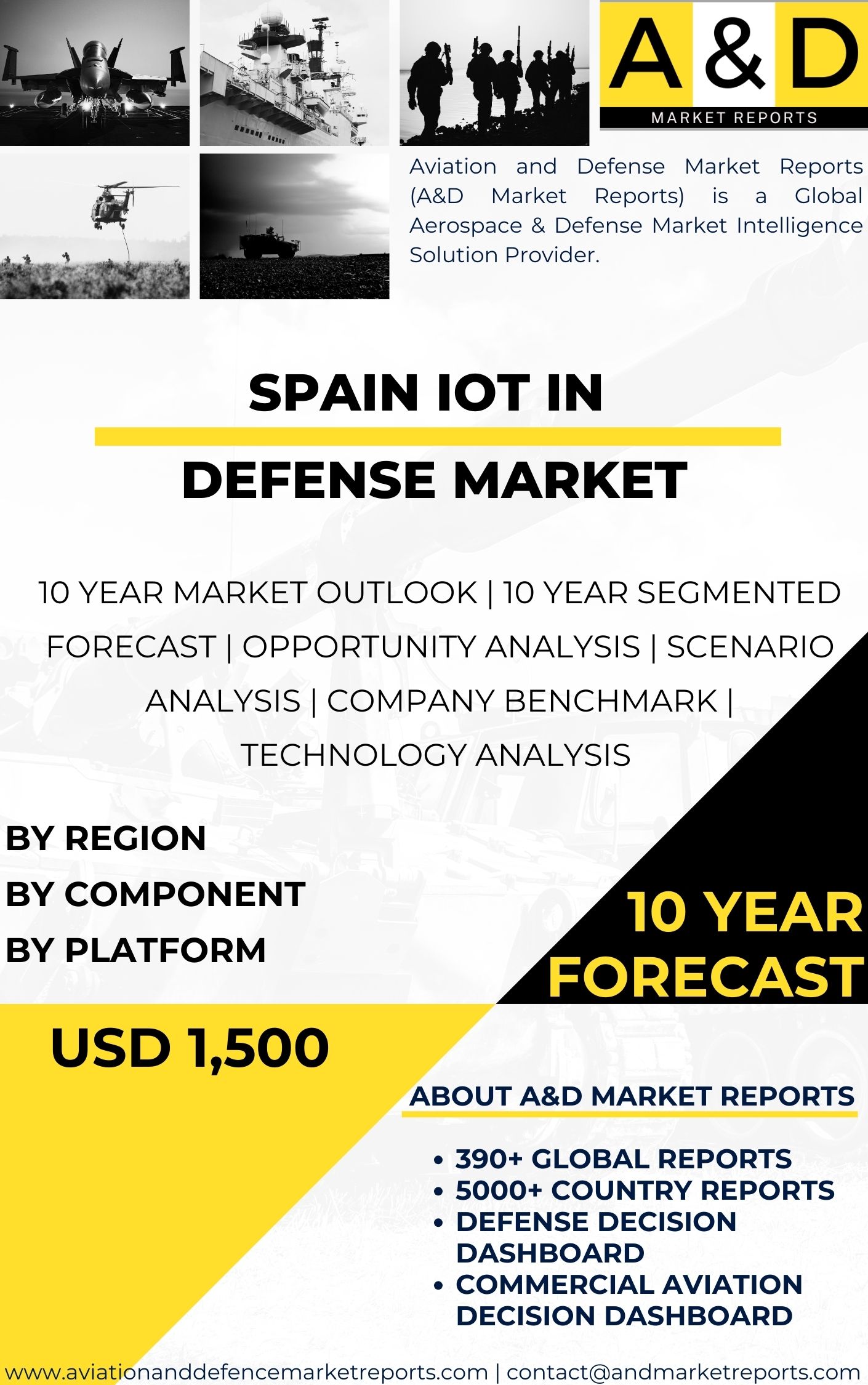
The Spain IoT in Defense Market is becoming an important part of the country’s military modernization strategy. IoT technology connects devices, sensors, communication systems, and military platforms through secure networks. This connectivity helps defense forces collect and share real-time information during operations. The Spanish Armed Forces are increasingly using IoT systems to improve battlefield awareness, decision-making, and mission coordination. The growing need for advanced digital defense systems is driving strong market growth across Spain. Defense organizations are also focusing on connected technologies to improve operational efficiency and strengthen national security capabilities.
Advancements in IoT Technologies
Rapid technological progress is improving the capabilities of IoT systems in defense applications. Modern IoT devices now include advanced sensors, smart communication modules, artificial intelligence tools, and cloud-based data systems. These technologies allow military units to monitor equipment, track troop movement, and gather intelligence more effectively. IoT-enabled systems also improve communication between command centers and field units. Better connectivity helps military personnel respond faster to changing battlefield situations. Continuous innovation in wireless communication and sensor technology is further expanding the role of IoT in defense operations.
Enhanced Intelligence and Surveillance Capabilities
IoT technology is improving intelligence, surveillance, and reconnaissance capabilities for the Spanish Armed Forces. Connected drones, surveillance systems, and wearable sensors provide real-time battlefield information to military commanders. This data helps improve situational awareness and supports faster operational decisions. IoT-enabled surveillance systems can monitor large areas and identify potential threats more efficiently. The use of connected devices also improves border security and maritime monitoring operations. Spain is increasing investments in smart defense technologies to strengthen national defense readiness and improve mission success rates.
Support for Modern Military Operations
Modern warfare requires fast communication, accurate data, and highly coordinated operations. IoT systems support these requirements by connecting military assets through integrated networks. Connected vehicles, aircraft, ships, and command systems can exchange information instantly during missions. This improves coordination between military units and reduces response times during emergencies. IoT technologies also support autonomous systems and unmanned platforms used in defense operations. The growing complexity of modern warfare is increasing the demand for advanced IoT solutions across the Spanish defense sector.
Resource Management and Predictive Maintenance
One of the major benefits of IoT in defense is improved resource management. IoT-enabled systems can monitor the condition of military equipment in real time. Sensors installed in vehicles, aircraft, and machinery can detect technical problems before failures occur. Predictive maintenance reduces downtime and lowers maintenance costs for defense organizations. This approach also improves the reliability and availability of military assets during critical operations. Spain is increasingly adopting smart maintenance systems to optimize defense spending and improve operational efficiency.
Collaboration with European Defense Programs
Spain benefits from cooperation with other European countries in the development of IoT defense technologies. Joint defense initiatives encourage technology sharing, research collaboration, and interoperability between allied forces. These partnerships help Spanish defense companies access advanced technologies and strengthen industrial capabilities. European collaboration also supports the creation of common standards for connected military systems. This improves communication and coordination during multinational defense operations. International partnerships are expected to remain an important driver of innovation in the Spain IoT in Defense Market.
Applications in Military Training and Simulation
IoT technologies are also transforming military training and simulation programs. Connected training systems create realistic environments that improve soldier preparedness and combat readiness. Wearable sensors and smart equipment can track soldier performance during exercises and provide valuable feedback. IoT-based simulation systems help military personnel practice different combat scenarios safely and efficiently. These advanced training solutions improve tactical skills and operational coordination. Spain continues to invest in modern training technologies to strengthen military preparedness and operational effectiveness.
Versatility Across Defense Domains
The flexibility of IoT technology is one of the main reasons for its growing adoption in defense. IoT systems can support operations across land, air, sea, and cyber defense environments. Connected military vehicles, aircraft, naval vessels, and command systems improve communication and coordination during joint operations. IoT applications are also expanding into cybersecurity, logistics, and infrastructure monitoring. This broad range of applications increases the strategic value of IoT technologies for defense organizations. Spain is developing a more integrated and connected defense ecosystem through the use of smart technologies.
Cybersecurity Challenges in IoT Defense Systems
Cybersecurity remains one of the biggest challenges in the Spain IoT in Defense Market. Connected defense systems generate and share large amounts of sensitive information across military networks. Cyberattacks targeting IoT systems can disrupt military operations and compromise national security. Defense organizations must invest heavily in encryption, secure communication systems, and cyber protection technologies. Protecting connected devices from hacking and unauthorized access is essential for maintaining operational security. Spain continues to strengthen cybersecurity measures as IoT adoption increases within the defense sector.
Data Management and Interoperability Concerns
IoT systems generate massive amounts of operational and sensor data every day. Managing and analyzing this data effectively is becoming increasingly important for military organizations. Defense forces require advanced analytics tools and artificial intelligence systems to convert raw data into actionable intelligence. Another major challenge involves interoperability between different IoT platforms and communication protocols. Military systems from different manufacturers must work together smoothly during joint operations. Spain is focusing on improving integration standards to support efficient communication and data exchange across defense networks.
Power Supply and Energy Efficiency
Many IoT-enabled defense systems operate in remote and challenging environments where reliable power sources are limited. Maintaining continuous operation of sensors and connected devices requires efficient energy management solutions. Defense organizations are exploring lightweight batteries, renewable energy systems, and low-power communication technologies to improve operational sustainability. Energy-efficient IoT devices reduce maintenance requirements and improve long-term performance in field operations. Spain is investing in advanced power management technologies to support future defense IoT applications.
Future Outlook of the Spain IoT in Defense Market
The future of the Spain IoT in Defense Market looks highly promising as military digitalization continues to accelerate. Increasing investments in artificial intelligence, smart sensors, autonomous systems, and secure communication networks will further expand IoT applications in defense. The Spanish Armed Forces are expected to continue modernizing military infrastructure using connected technologies. IoT systems will play a major role in improving situational awareness, operational efficiency, logistics management, and defense readiness. Continuous innovation and strong cybersecurity measures will remain essential for long-term market growth. As defense operations become more connected and data-driven, IoT technology will continue shaping the future of military capabilities in Spain and across Europe.