
Description
Market Overview
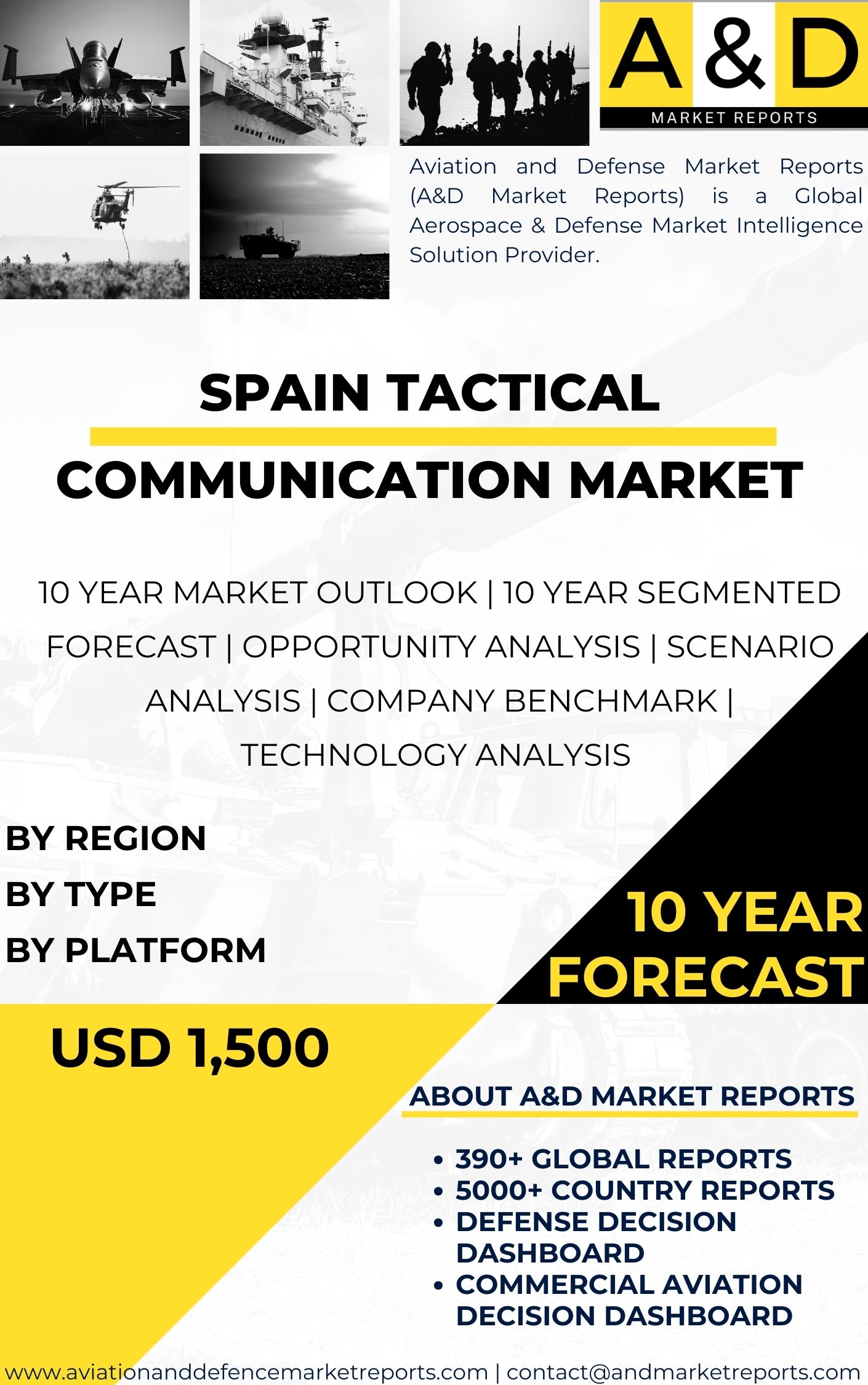
The Spain Tactical Communication Market is a vital and rapidly evolving sector that plays a crucial role in strengthening the communication capabilities of the Spanish Armed Forces and other defense and security agencies. Tactical communication involves the use of advanced communication systems and technologies that support secure, reliable, and real-time information exchange during military and security operations. These systems are essential for command and control, battlefield coordination, intelligence sharing, and operational decision-making. The market is driven by the need to modernize communication infrastructure, improve interoperability, enhance situational awareness, and address emerging security challenges across defense operations.
Defense Modernization and Market Growth
The growth of the Spain Tactical Communication Market is strongly linked to the country’s defense modernization initiatives. Spain continues to invest in advanced military technologies to improve operational efficiency and strengthen national security capabilities. Modern tactical communication systems provide secure voice, video, and data communication services that help military personnel coordinate operations more effectively across land, air, sea, and cyber domains. In addition, growing investments in digital battlefield infrastructure and network-centric warfare systems are increasing the demand for advanced tactical communication technologies.
Technological Advancements in Tactical Communication
Advancements in communication technology have significantly improved the capabilities and performance of modern tactical communication systems. Current-generation platforms offer increased bandwidth, high-speed data transmission, advanced encryption, anti-jamming protection, and secure networking capabilities. These improvements ensure reliable communication in complex and hostile operational environments. Furthermore, the integration of satellite communication, software-defined radios, artificial intelligence, and cloud-based communication systems is enhancing operational flexibility and enabling real-time information sharing between military units and command centers.
Role in Security and Military Operations
The Spain Tactical Communication Market is also driven by the need to respond effectively to asymmetric security threats and evolving battlefield conditions. Tactical communication systems play a critical role in maintaining situational awareness, supporting intelligence gathering, and enabling rapid response during military operations. These systems help defense forces coordinate troop movements, share mission-critical information, and improve operational decision-making under dynamic combat conditions. Tactical communication networks are also essential during border security operations, counter-terrorism missions, and emergency response situations.
Importance in Joint and Multinational Operations
Tactical communication systems are highly important for supporting joint military operations and multinational defense cooperation. Spain actively participates in NATO missions, peacekeeping operations, and international security collaborations that require seamless communication between allied forces. Advanced tactical communication platforms enable interoperability among different military branches and international partners, improving mission coordination and operational efficiency. Standardized communication protocols and integrated command systems further strengthen multinational defense cooperation and support collaborative military operations.
Versatility and Adaptability of Communication Systems
The versatility of tactical communication technology is another major factor contributing to market growth. Tactical communication systems can be customized to meet different mission requirements and operational environments. These systems support various applications, including battlefield communication, command and control, surveillance coordination, reconnaissance operations, and disaster response missions. Mobile communication units, handheld radios, vehicle-mounted systems, and satellite-based communication platforms provide the Spanish Armed Forces with flexible and adaptable communication capabilities across diverse operational scenarios.
Cybersecurity and Electronic Warfare Challenges
Despite strong growth opportunities, the Spain Tactical Communication Market faces several critical challenges. One of the primary concerns is protecting tactical communication systems against cyber threats, electronic warfare attacks, and signal interference. Modern military operations increasingly depend on digital communication networks, making cybersecurity a top priority for defense organizations. Strong encryption technologies, secure communication protocols, anti-jamming systems, and cyber defense measures are essential for safeguarding sensitive military information and maintaining operational reliability during combat situations.
Interoperability and Data Management Issues
Another major challenge in the Spain Tactical Communication Market is ensuring interoperability between different communication systems and military platforms. Defense organizations often use multiple communication technologies across different branches and operational units. Achieving seamless integration and compatibility between these systems is necessary for efficient joint operations and coordinated responses. In addition, the increasing volume of communication data generated during military operations creates challenges related to data processing, storage, analysis, and real-time information sharing. Advanced data management and fusion technologies are therefore becoming increasingly important.
Regulatory and Compliance Considerations
The market must also comply with international communication standards, spectrum regulations, and defense interoperability requirements. Tactical communication systems need to meet strict operational and security standards to support international cooperation and ensure compatibility with allied defense networks. Regulatory compliance is particularly important for cross-border military operations and multinational defense exercises. Maintaining secure frequency management and preventing communication interference are also essential for reliable military communication infrastructure.
Future Outlook of the Spain Tactical Communication Market
The future of the Spain Tactical Communication Market remains highly promising as defense organizations continue to prioritize secure and advanced communication capabilities. Ongoing advancements in communication technology, artificial intelligence, satellite systems, and digital networking are expected to further improve the performance and resilience of tactical communication platforms. The growing focus on network-centric warfare, cybersecurity, and real-time battlefield connectivity will continue to drive market growth in the coming years. Spain’s continued investment in defense modernization and international military cooperation will also support the expansion of advanced tactical communication systems.
Conclusion
The Spain Tactical Communication Market is becoming an increasingly important component of the country’s defense and security infrastructure. The market is driven by defense modernization programs, advancements in communication technologies, and the growing need for secure and reliable battlefield communication systems. Tactical communication platforms enhance operational coordination, situational awareness, and mission effectiveness for the Spanish Armed Forces and security agencies. However, challenges related to cybersecurity, interoperability, data management, and regulatory compliance must be effectively addressed to ensure long-term operational success and system resilience. As communication technologies continue to evolve, tactical communication systems will remain a vital part of Spain’s future defense strategy and national security capabilities.