
Description
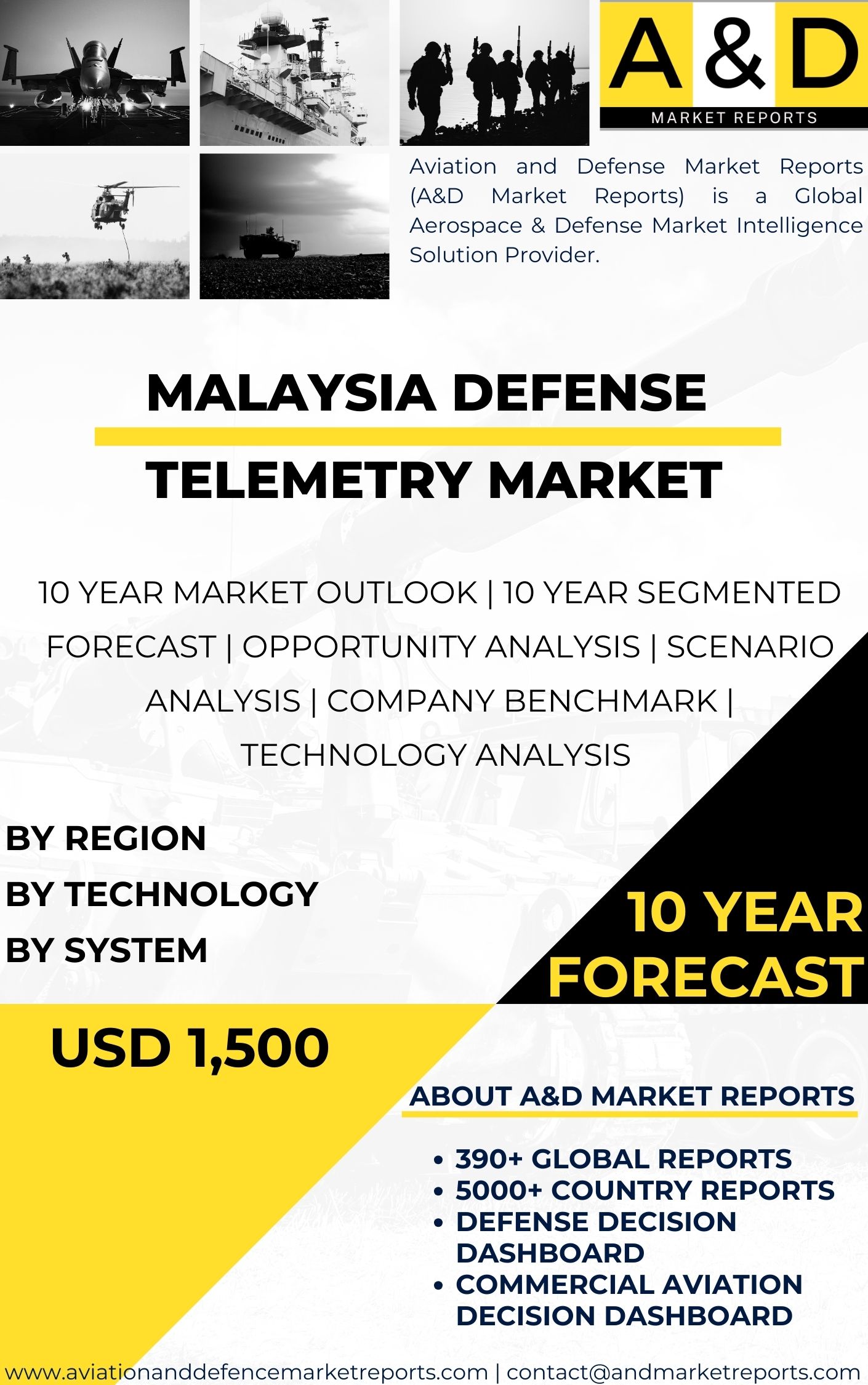
Malaysia Defense Telemetry Market has grown steadily as the country accelerates its military modernization efforts. Telemetry, which involves the remote measurement and transmission of data, plays a central role in monitoring performance during military missions, tests, and training. Malaysia recognizes telemetry as a core enabler of real-time situational awareness, mission reliability, and precision-driven defense operations.
Malaysia Defense Telemetry Market Drivers
A key factor propelling this market is Malaysia’s push toward data-centric defense decision-making. Modern warfare depends heavily on the ability to collect and analyze real-time data from aircraft, naval assets, land vehicles, and missile systems. Telemetry technologies enable commanders to assess system health, mission readiness, and environmental conditions instantly, strengthening operational efficiency and mission success.
Malaysia Defense Telemetry Market Modernization Efforts
Malaysia has been increasing investments to upgrade its defense infrastructure, with telemetry integration forming a major part of this modernization. These efforts align with the country’s national security objectives and its ambition to contribute more effectively to regional stability and international peacekeeping missions. Telemetry is now embedded across key platforms used by Malaysia’s armed forces.
Malaysia Defense Telemetry Market International Partnerships
International collaboration has played a vital role in advancing Malaysia’s telemetry capabilities. Joint ventures, technology-sharing agreements, and procurement from leading global defense firms have helped Malaysia acquire advanced telemetry systems. These partnerships support knowledge transfer and assist domestic companies in developing indigenous technologies, strengthening the local defense ecosystem.
Malaysia Defense Telemetry Market and Unmanned Systems
Malaysia’s growing interest in unmanned systems has accelerated demand for telemetry. UAVs and other autonomous platforms rely on robust telemetry links for real-time monitoring, navigation, and control. The increasing use of drones in surveillance, reconnaissance, and training has further elevated telemetry’s relevance across the defense sector.
Malaysia Defense Telemetry Market in Research and Development
Telemetry is widely used in Malaysia’s defense research and testing programs. Engineers and scientists rely on telemetry to gather real-time data from prototypes during field trials. This information helps refine designs, improve system performance, and reduce development timelines. The approach enhances innovation and supports Malaysia’s long-term self-reliance goals.
Market Local Industry Participation
Local defense companies and research institutions actively develop telemetry components and sub-systems, contributing to national capability-building. This domestic involvement promotes technology transfer, fosters high-skilled employment, and strengthens Malaysia’s position in the regional defense manufacturing landscape.
Market Challenges
Despite strong growth, the market faces challenges. The rapid evolution of global telemetry technologies demands ongoing investment, which can be constrained by defense budget limitations. Cybersecurity is another major concern, as interconnected telemetry networks become increasingly vulnerable to cyber threats. Safeguarding sensitive telemetry data is essential for national security and operational integrity.
Outlook
Looking ahead, Malaysia’s defense telemetry market is expected to expand further. Emerging technologies such as IoT-integrated sensors, AI-driven analytics, and enhanced data fusion will reshape future telemetry applications. The evolving regional security landscape will also create new operational requirements, increasing the need for advanced, secure, and resilient telemetry solutions.
Conclusion
The defense telemetry market in Malaysia has undergone substantial advancement, supported by modernization initiatives, global partnerships, and domestic innovation. Telemetry is now fundamental to Malaysia’s defense operations, development programs, and strategic preparedness. Continued progress will depend on addressing cybersecurity risks, funding challenges, and technological evolution, ensuring Malaysia remains equipped to meet future defense demands.