
Description
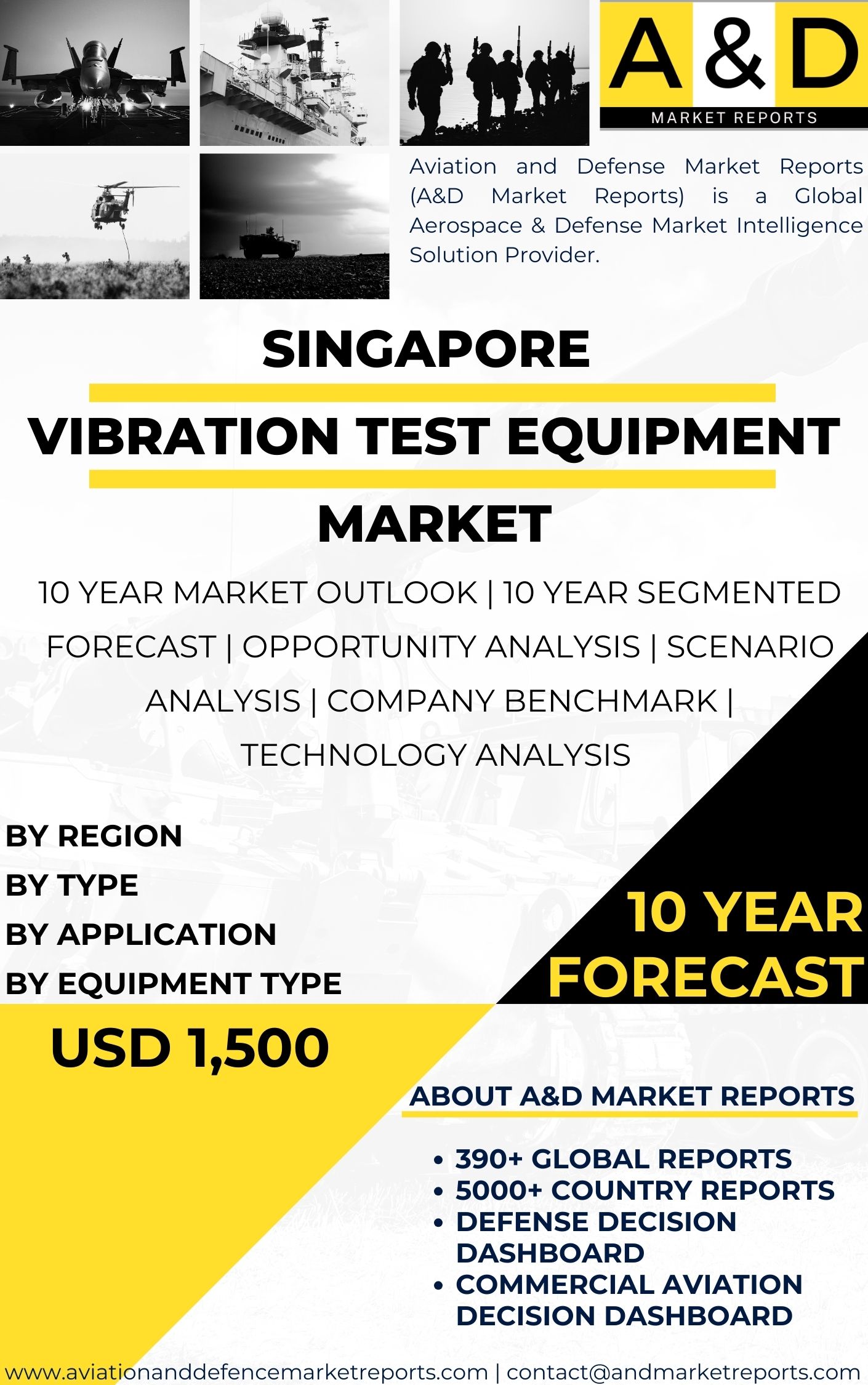
Vibration test equipment in Singapore plays a crucial role in ensuring the durability, reliability, and performance of products across a broad range of industries. This equipment is designed to simulate the various vibrational forces that a product or component might experience in real-world scenarios, such as transportation, operation, or environmental conditions. By subjecting products to controlled vibration, manufacturers and engineers can anticipate how they will respond to stress, detecting weaknesses or failures before products reach consumers. This proactive testing not only helps in enhancing product quality but also ensures safety and compliance with regulatory standards.
The vibration testing industry in Singapore benefits from advanced technologies that include electrodynamic shakers, vibration tables, and chambers. Electrodynamic shakers are among the most widely used tools, capable of generating precise vibrations to test structural integrity, functionality, and longevity. Products under test range widely from small electronic assemblies and automotive parts to aerospace components and naval systems. The versatility of these testing systems allows them to be applicable for a variety of sectors, including electronics, automotive, aerospace, defense, and industrial machinery.
One of the defining features of vibration test equipment in Singapore is the ability to tailor tests to specific application needs. Equipment can produce vibrations of varying amplitudes, frequencies, and durations, replicating operational environments or extreme conditions such as shocks or rattles. This customization is essential for industries like automotive where products must endure both the low-frequency vibrations of transport and the higher-frequency vibrations of engine and road interaction. Similarly, in aerospace and defense, vibration testing equipment is used to simulate the harsh vibrations experienced during launch, flight, and operational deployments, ensuring components perform reliably under intense dynamic forces.
Singapore?s market features a blend of global equipment manufacturers and local providers who emphasize precision and innovation. Products often include integrated sensors like accelerometers and monitoring software for real-time data collection and analysis, supporting detailed structural and modal analysis. These data-driven insights allow engineers to understand product behavior deeply, facilitating improvements in design and materials. The availability of specialized systems, such as multi-excitation vibration testing setups, further enables complex simulations that mimic real-world conditions more closely, including simultaneous vibrations from multiple sources.
The vibrational testing infrastructure in Singapore also supports a wide range of sizes and weights, from small handheld devices to large assemblies and complete systems. This scalability is critical for industries like electronics where miniaturization demands high precision, and for large-scale sectors like naval or aerospace, which require robust equipment capable of handling sizeable test articles with complex load conditions.
Besides industrial applications, vibration test equipment in Singapore is extensively utilized in research and academic institutions, contributing to education and innovation in engineering disciplines. These platforms provide students and researchers with hands-on experience and the ability to carry out cutting-edge experiments related to materials science, structural dynamics, and mechanical engineering. Collaborations between universities and industries facilitate the transfer of knowledge and technology, fostering advancements that benefit manufacturing and design processes.
Service and support are key facets of the vibration testing ecosystem in Singapore. Companies not only supply equipment but also offer installation, maintenance, calibration, and training services, ensuring optimal operation and longevity of the machinery. Given the critical nature of vibration tests, reliability of equipment and accuracy of results are paramount, which drives continuous development in vibration control systems, sensors, and software to meet evolving market demands.
In recent years, there has been growing demand for vibration test equipment that addresses more complex test environments, including the simulation of noise and rattle in vehicle interiors, which has been accelerated by shifts in automotive technologies like electric vehicles. Innovations such as magnetic circuit-based excitation systems reduce heat generation and improve quiet operation of test rigs, reflecting the push for more efficient and refined testing capabilities that provide higher excitation forces while maintaining precision.
Overall, Singapore?s vibration test equipment market is marked by high technical standards, diverse application coverage, and strong integration of advanced measurement technology. It serves to optimize product durability, ensure safety, and drive innovation in product development across multiple sectors. This market continuously evolves with technological advancements, expanding its role from simple vibrational durability tests to more sophisticated, multiparameter simulations and comprehensive structural evaluations, meeting the robust demands of modern industry and research communities alike. This dynamic environment positions Singapore as an important hub for vibration testing solutions in the region.