
Description
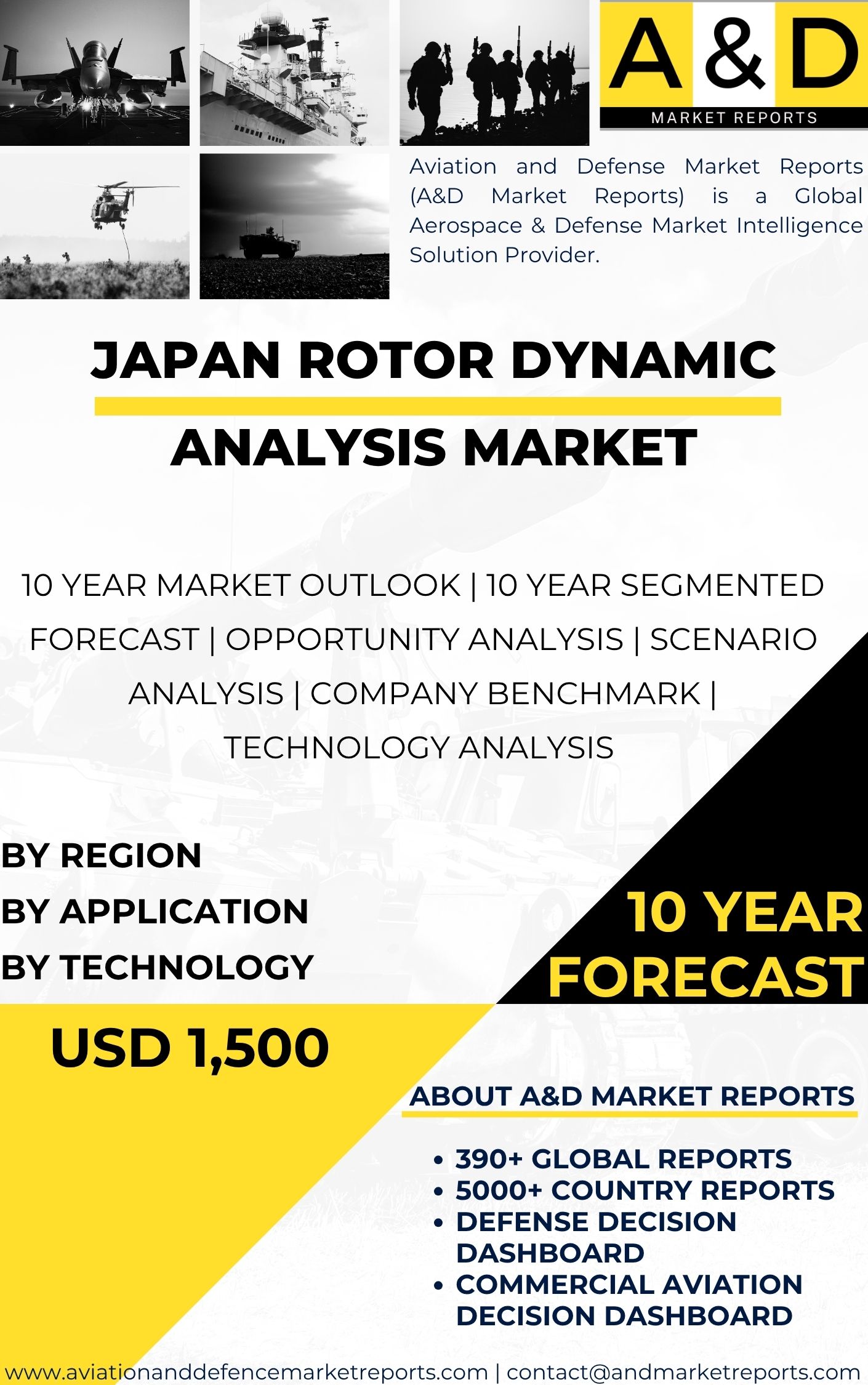
Japan Rotor dynamic Analysis is a critical engineering discipline focused on understanding the dynamic behavior, vibration characteristics, and stability of rotating machinery used across the country’s industrial landscape. Rotating components such as shafts, rotors, bearings, and couplings are central to equipment including turbines, compressors, generators, and high-speed motors, all of which are widely deployed in Japanese manufacturing, energy, and aerospace sectors. The emphasis on rotordynamic analysis reflects Japan’s strong commitment to reliability, safety, and long-term performance in precision machinery operating under demanding conditions.
Japan Rotor dynamic Analysis
Japan Rotor dynamic Analysis centers on evaluating how rotating systems respond to speed changes, loading conditions, and structural imperfections. Engineers closely examine natural frequencies, mode shapes, damping behavior, and critical speeds, as resonance at certain rotational speeds can trigger excessive vibration and mechanical stress. By identifying these conditions during the design and validation stages, Japanese engineers ensure that machines either avoid critical speed ranges during operation or pass through them safely without compromising structural integrity or performance.
Japan Rotor dynamic Analysis
Japan Rotordynamic Analysis makes extensive use of advanced computational tools to model complex rotor systems with high accuracy. Finite element methods and numerical simulations allow engineers to predict deflections, stresses, and vibrational responses under various operating scenarios. These digital models are frequently validated through experimental testing, ensuring strong alignment between theoretical predictions and real-world behavior. This integrated approach supports the development of machinery capable of maintaining stability and efficiency throughout extended operational lifecycles.
Japan Rotor dynamic Analysis
Japan Rotordynamic Analysis plays a vital role across multiple industries, particularly in power generation, where turbines and generators must operate continuously with minimal risk of failure. Accurate rotordynamic evaluations help optimize performance, reduce vibration-related wear, and extend service life. In the automotive and manufacturing sectors, this analysis supports the design of engines, drive systems, and production equipment, ensuring smooth operation, reduced noise, and improved durability under high-speed and high-load conditions.
Predictive Maintenance and Condition Monitoring
Japan Rotor dynamic Analysis increasingly incorporates sensor-based monitoring and diagnostic systems to support predictive maintenance strategies. By continuously analyzing vibration signals, displacement data, and rotational behavior, engineers can detect early signs of imbalance, misalignment, or bearing degradation. This proactive approach reduces unplanned downtime, enhances operational safety, and lowers maintenance costs, aligning with Japan’s emphasis on efficiency and reliability in industrial operations.
Stability Control and Fluid-Induced Dynamics
Japan Rotor dynamic Analysis also focuses on stability challenges arising from interactions between rotors, bearings, and surrounding fluids. Phenomena such as oil whirl, oil whip, and fluid-induced instabilities are carefully studied to prevent rapid degradation and loss of control. Japanese engineers apply damping solutions, optimized bearing designs, and control strategies to mitigate these risks, ensuring stable operation even in high-speed or high-load environments.
Innovation, Research, and Future Developments
Japan Rotor dynamic Analysis continues to evolve through collaboration between industry, research institutions, and universities. Advances in high-performance computing, data analytics, and artificial intelligence are enabling more precise simulations and faster interpretation of complex dynamic data. This continuous innovation reinforces Japan’s leadership in precision engineering, ensuring that rotating machinery systems remain safe, efficient, and reliable as industrial technologies become increasingly sophisticated.