
Description
Market Overview
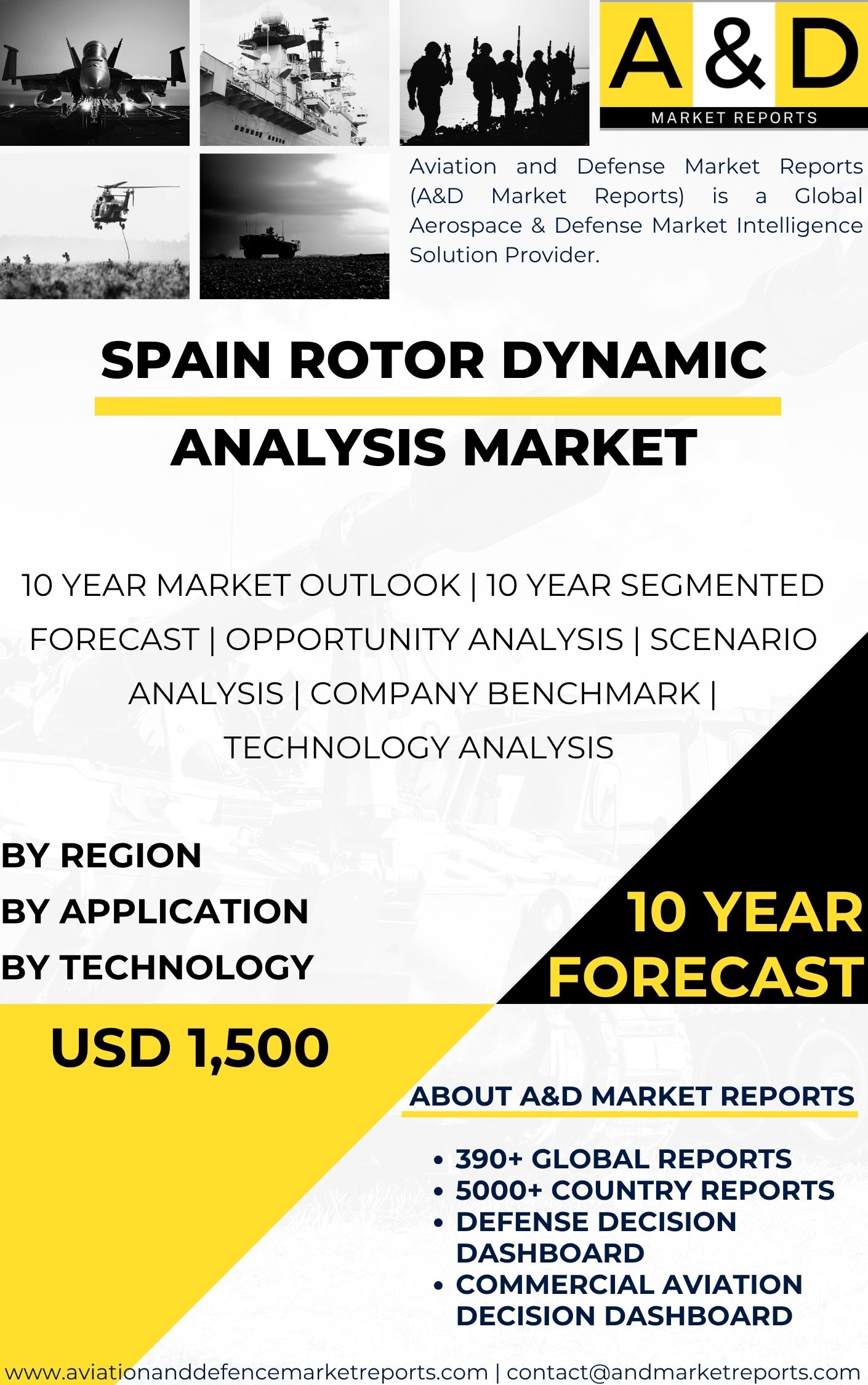
Spain Rotor dynamic analysis is an important part of the aerospace, defense, and industrial machinery sectors. Rotor dynamics focuses on the study and optimization of rotating systems. These systems include helicopter rotors, aircraft engines, turbines, compressors, and industrial machinery. Rotor analysis helps engineers evaluate vibration, stability, and performance under different operating conditions. Therefore, it plays a major role in preventing failures and improving reliability. Spain’s investments in aerospace modernization and advanced propulsion systems continue to drive market growth. In addition, defense programs increase the demand for safe and efficient rotating equipment. As a result, rotor dynamic analysis remains essential for mission-critical systems.
Computational Modeling and Testing
Spain’s rotor dynamic analysis market includes computational modeling, physical testing, and hybrid analysis methods. Engineers use finite element analysis (FEA), computational fluid dynamics (CFD), and multi-body simulations to study rotor behavior. These models predict resonance, imbalance, thermal stress, and vibration patterns. Meanwhile, physical testing uses accelerometers, laser vibrometers, balancing rigs, and strain gauges to collect real-time performance data. Hybrid methods combine simulation with experimental testing for better validation and accuracy. In addition, these approaches help engineers improve rotor design and operational safety. Therefore, advanced modeling and testing systems are critical for high-performance rotating equipment.
Technology and Innovation
Technology is improving Spain’s rotor dynamic analysis market in several ways. Automated data acquisition systems now provide faster and more accurate measurements. In addition, real-time vibration monitoring helps detect small imbalances and early fatigue signs. Predictive maintenance systems also allow operators to schedule inspections and repairs before failures occur. Digital twin technology creates virtual models of rotor systems for testing and optimization. Furthermore, advanced monitoring tools reduce downtime and improve long-term equipment reliability. These innovations support safer and more efficient aerospace and industrial operations. As a result, Spain continues to strengthen its rotor analysis capabilities.
Operational Importance
Rotor dynamic analysis supports every stage of aerospace and defense system development. During the design phase, engineers optimize blade geometry, shaft alignment, and bearing placement. In production, rotor analysis ensures components meet strict quality and vibration standards. Certification testing also verifies compliance with aviation and defense safety regulations. Meanwhile, maintenance teams use rotor analysis to monitor wear, imbalance, and vibration trends. In addition, condition monitoring programs help extend component lifespan and improve operational readiness. Therefore, rotor dynamic analysis directly supports safety, reliability, and system performance.
Integration with Modern Engineering Systems
Spain increasingly integrates rotor dynamic analysis with digital engineering and predictive maintenance systems. Real-time monitoring tools connect with structural and thermal analysis platforms for better system evaluation. Therefore, engineers can study complex rotor behavior more accurately. Digital twin systems also allow virtual testing under different operational conditions. In addition, automated software improves maintenance planning and fault diagnosis. Aerospace and defense companies use these technologies to improve rotorcraft, turbines, and propulsion systems. European collaboration further supports research, innovation, and compliance with international standards. As a result, Spain continues to modernize its rotor analysis infrastructure.
Market Challenges
Spain’s rotor dynamic analysis market faces several technical challenges. High-speed rotating systems generate complex vibration and resonance effects. In addition, engineers must accurately simulate thermal stress and multi-axial loads. Predicting coupled vibration modes and subharmonic resonance also requires advanced tools and expertise. Testing equipment and digital analysis systems increase operational costs. However, the market continues to grow because safety and reliability remain top priorities. Spain’s focus on aerospace modernization, advanced propulsion systems, and industrial efficiency further supports long-term demand for rotor dynamic analysis solutions.