
Description
Safe Testing on the Ground
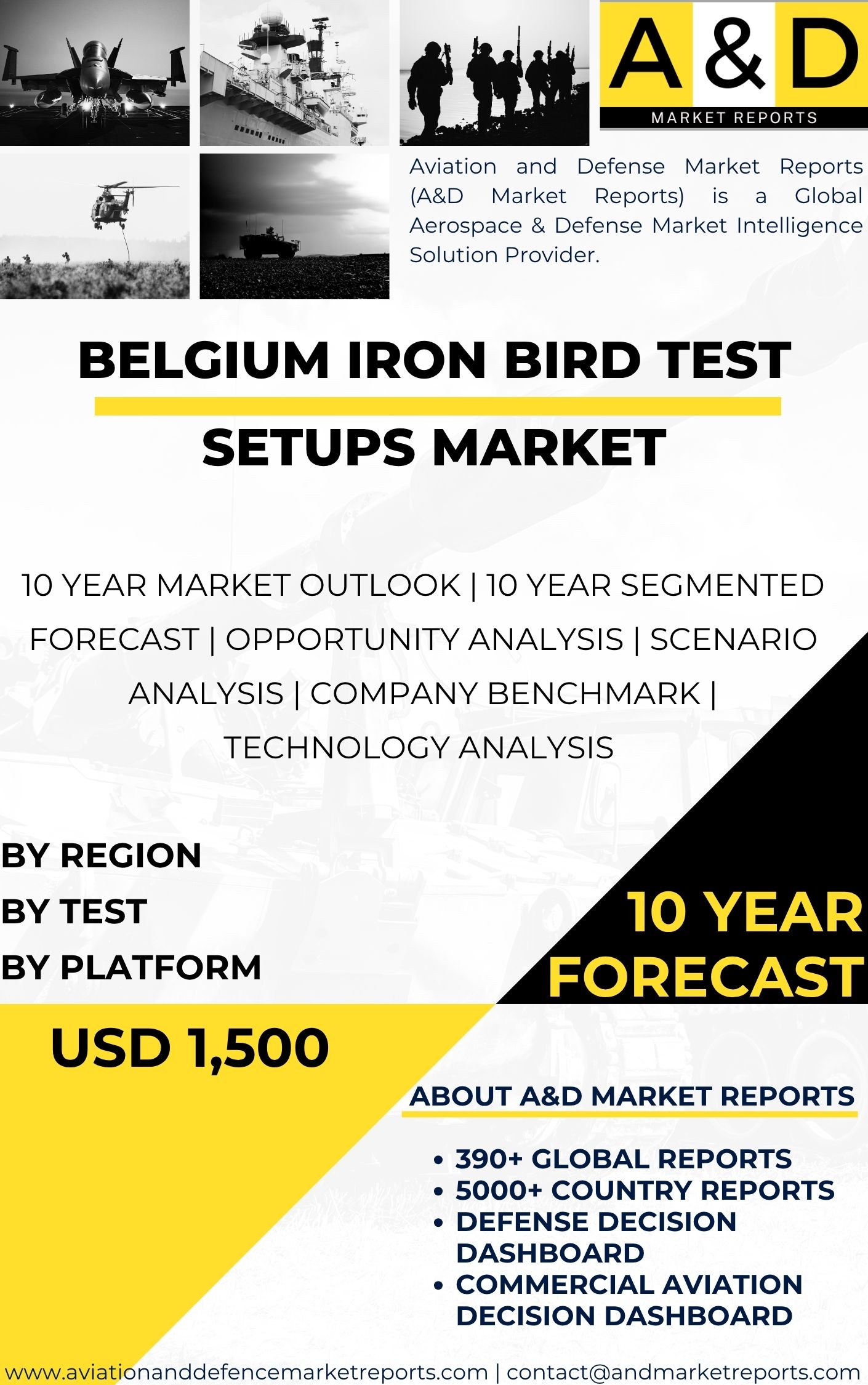
Belgium Iron bird test setups Market plays a vital role in its aerospace sector. These tools help engineers test aircraft systems safely before a real flight.
An iron bird is a large, ground-based metal rig. It exactly copies an airplane’s real physical layout. It connects the actual mechanical, electrical, and hydraulic systems.
Demand for these setups is growing fast in Belgium. Aerospace companies now focus heavily on safety, reliability, and saving money. Engineers use iron birds to check how vital parts work together. For instance, they test flight controls, landing gear, fuel lines, and power grids.
These ground tests drastically reduce the danger of actual test flights. They also speed up the official safety approval process. Therefore, this speed benefits both civilian airlines and military forces.
Meeting Strict Global Rules
Belgium holds a strong spot in Europe’s aerospace industry. The country works closely with NATO and multinational programs. Consequently, Belgian firms rely on these rigs to meet strict global rules.
Furthermore, engineers use them to run extreme failure tests. They check backup systems and practice maintenance tasks in a secure room. For example, a team can easily fake a hydraulic leak or a power loss. Then, they watch how the airplane reacts in real time.
This extreme testing proves crucial for military jets. It ensures planes survive dangerous combat missions. Moreover, it guarantees civilian passenger safety and meets tough legal standards.
Upgrading with Digital Tools
The Belgian testing market links closely with new digital tools. Advanced setups now feature digital twins and real-time computer monitoring. These smart tools build virtual models of the whole aircraft. As a result, they help mechanics predict future breakdowns and fix problems instantly.
Belgian universities and research centers actively lead these digital upgrades. They frequently partner with major European aerospace groups.
Additionally, builders increasingly use modular designs for the rigs. This flexibility lets engineers test different airplane types on the exact same frame. Ultimately, they save money by avoiding the need to build brand new rigs.
Boosting Safety and Saving Cash
Strict daily operations drive the need for iron birds in Belgium. Modern airplanes feature highly complex automation and advanced computers. Therefore, the need for deep, integrated testing grows every day.
Iron birds ensure all these new parts work together perfectly. They stop bad surprises from happening high in the air. Ultimately, this testing boosts safety and saves cash. Fixing a broken part on the ground costs far less than fixing it during a flight test.
Furthermore, Belgian suppliers use these rigs to check parts before exporting them. This critical step proves their parts meet the high demands of global buyers.
Overcoming Big Challenges
Naturally, the Belgian market faces some big challenges. Building and fixing these huge rigs costs a lot of money. Plus, fast technological changes require constant, expensive software updates.
However, strong government support helps overcome these problems. Excellent European teamwork and a highly skilled workforce also provide a major boost. As a result, Belgium remains a top player in global aerospace testing.