
Description
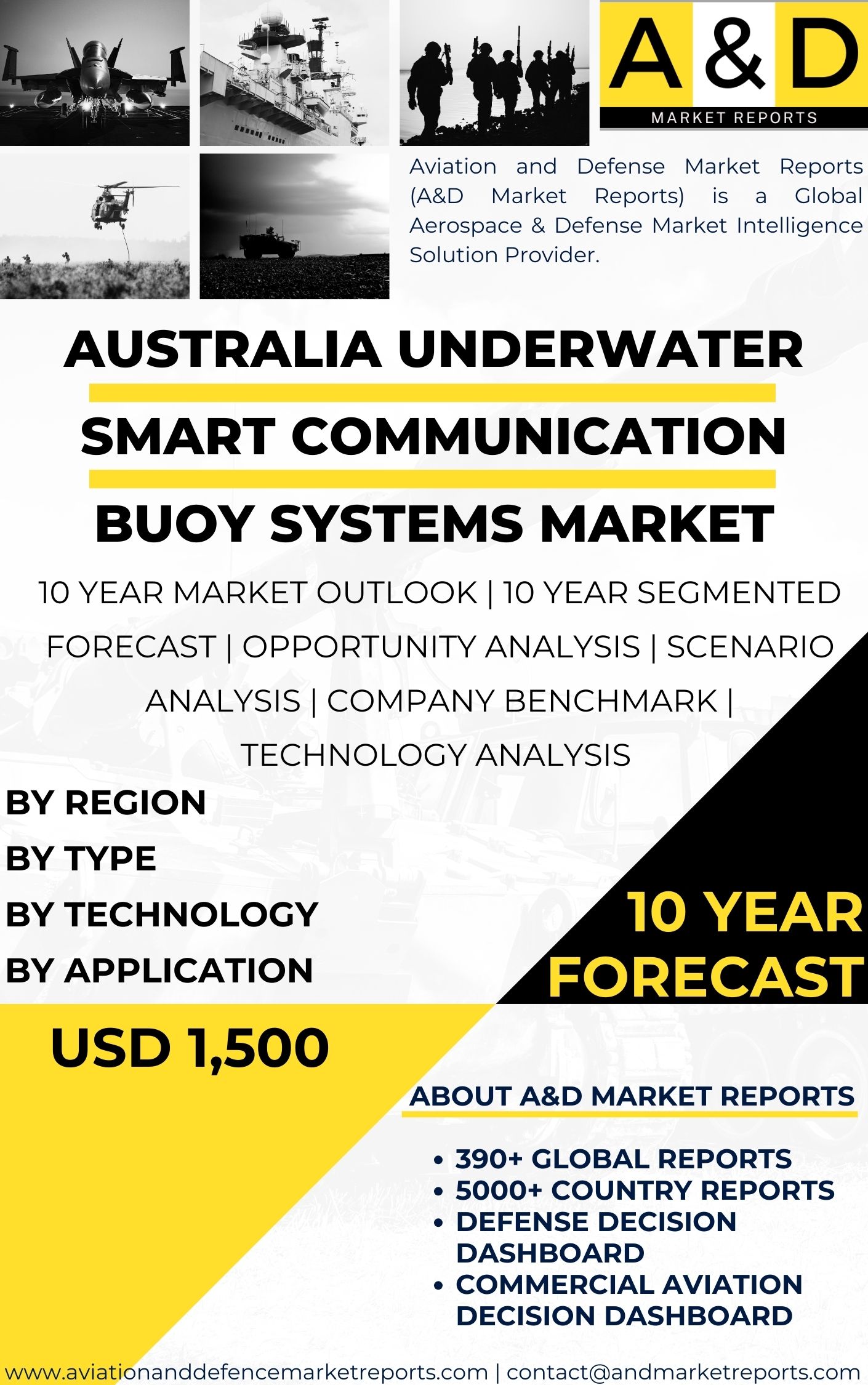
Underwater Smart Communication Buoy Systems in Australia
Australia Underwater Smart Communication support reliable underwater data exchange and monitoring. These systems combine marine engineering, acoustic communication, and digital networks. They use floating buoys placed at key sea locations. Each buoy acts as a data relay and sensor hub.
Australia’s long coastline and maritime priorities increase the need for these systems. They improve safety, awareness, and data access in offshore environments.
Acoustic Communication Technology in Smart Buoys
Underwater smart communication buoys rely on acoustic signals to transmit data. Radio signals travel poorly in water, while sound waves perform better. Acoustic modems inside the buoys allow long-range data transfer.
Advanced modulation methods support two-way communication. These systems connect sensors, underwater vehicles, and navigation tools. They work reliably in changing underwater conditions.
Environmental Monitoring Applications in Australia
Underwater smart communication buoy systems in Australia play a key role in marine monitoring. Sensors measure temperature, salinity, oxygen levels, and pH. This data helps protect marine life and fisheries.
Real-time data alerts agencies to environmental risks. These include pollution events and changes in water chemistry. Early warnings support fast response actions.
Defense and Maritime Security Use Cases
Defense agencies use underwater smart communication buoys for secure communication. The buoys link submarines and unmanned underwater vehicles to command centers. These links remain low-visibility and reliable.
Deployment near sensitive areas improves underwater surveillance. Positioning systems also help track underwater assets accurately.
Industrial and Commercial Monitoring Benefits
Industries use underwater smart communication buoy systems to monitor subsea assets. These include pipelines, power cables, and offshore energy sites. The buoys provide condition and environmental data.
This monitoring helps prevent damage and reduces maintenance risks. Rugged designs allow long service life in harsh ocean conditions.
Advancements in Smart Buoy Technology
Technology continues to improve buoy performance. Artificial intelligence supports faster data analysis and pattern detection. Predictive models help forecast events such as coral stress or storm impact.
Satellite and cellular links extend data access to remote areas. Onshore teams receive updates without delays.
Role in Sustainable Ocean Management
Australia uses underwater smart communication buoy systems for sustainable ocean use. Data platforms support research and community science programs. Fisheries managers and coastal authorities access shared insights.
Public data access increases awareness of ocean conditions. This supports better environmental decisions.
Market Outlook in Australia
Underwater smart communication buoy systems in Australia continue to gain importance. Demand grows across defense, research, and offshore industries. These systems improve safety, awareness, and environmental protection.