
Description
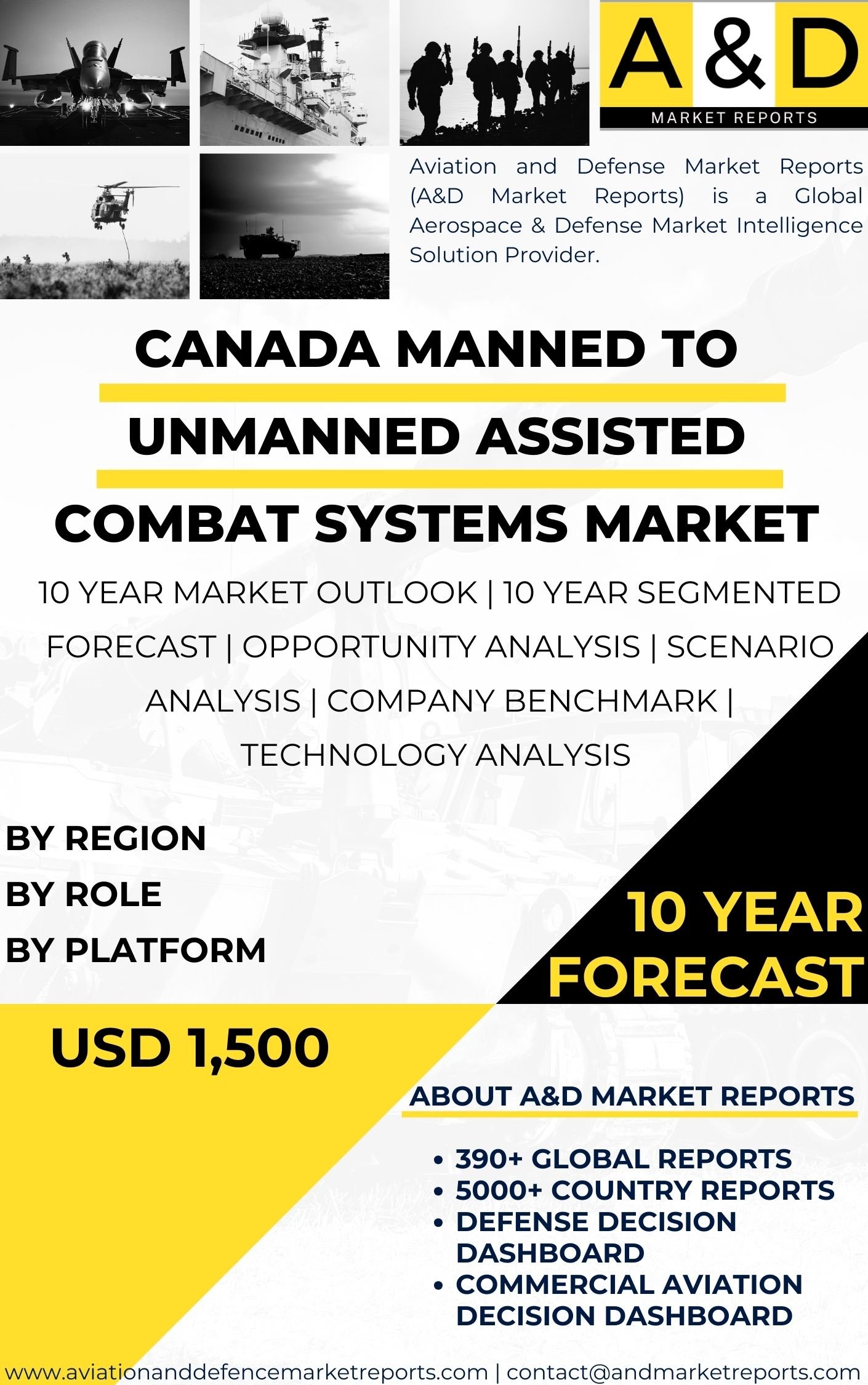
Overview of Canada’s Manned to Unmanned Assisted Combat Systems Market
Canada Manned to Unmanned is expanding within the defense sector. The country focuses on modernizing its armed forces through advanced technologies. In recent years, defense planners have increased the integration of unmanned platforms into traditional combat structures. This hybrid approach combines human decision-making with machine efficiency. As a result, operations become more flexible and data-driven. Canada supports this transition through long-term strategic investment. Therefore, the sector continues to evolve rapidly.
Strategic Drivers Behind Integration
Canada integrates unmanned systems due to both security needs and technological progress. The Canadian Armed Forces uses unmanned platforms to improve operational readiness. These systems include remotely piloted drones and autonomous ground vehicles. They assist troops rather than replace them. In addition, they expand surveillance, logistics, and battlefield awareness capabilities. This integration improves mission efficiency and reduces operational risks. Consequently, Canada strengthens its defense posture through smart system integration.
Operational Advantages of Unmanned Systems
Unmanned systems provide key operational benefits. They operate in environments that may be too dangerous for personnel. For example, aerial drones conduct reconnaissance over hostile areas. Ground robots transport supplies across risky terrain. These capabilities reduce direct exposure to threats. Moreover, commanders receive real-time data from remote sensors. This information improves decision-making accuracy. As a result, mission outcomes become more predictable and controlled.
Role of Canadian Defense Companies
Canadian defense companies actively develop unmanned technologies. Firms such as General Dynamics Land Systems Canada design advanced ground combat vehicles. CAE supports simulation and training systems for integrated operations. In the aerospace sector, Drone Delivery Canada contributes to drone logistics and aerial systems innovation. These companies strengthen domestic manufacturing and technical expertise. In addition, they support export growth and research partnerships.
Ethical and Legal Considerations
The integration of autonomous systems raises legal and ethical questions. Canada must comply with international humanitarian law. It also evaluates policies related to autonomous weapons oversight. Human supervision remains a critical requirement in combat operations. Therefore, policymakers review regulatory frameworks carefully. In addition, public debate influences responsible deployment strategies. Canada aims to balance innovation with accountability.
Government Investment and Collaboration
The Canadian government funds research and development in unmanned systems. It promotes collaboration between industry, academia, and defense agencies. These partnerships accelerate innovation and improve system testing. Moreover, joint research programs strengthen technological independence. As a result, Canada maintains competitiveness in advanced defense technologies. Continuous investment ensures adaptation to emerging threats.
Economic and Industrial Impact
The growth of unmanned combat systems creates economic opportunities. It generates high-skilled engineering and technology jobs. In addition, exports of defense-related systems increase revenue. This sector strengthens Canada’s industrial base. Domestic supply chains benefit from advanced manufacturing projects. Consequently, innovation contributes to national economic resilience.
International Cooperation and Interoperability
Canada cooperates closely with allies, including NATO and the United States. Joint exercises improve interoperability between manned and unmanned platforms. Shared standards enhance communication and coordination. In addition, collaboration supports collective defense missions. Canada aligns its systems with allied technologies. Therefore, it strengthens international security partnerships.
Conclusion
Canada’s manned to unmanned assisted combat systems market reflects modernization and strategic planning. The country integrates advanced technologies to enhance safety and efficiency. At the same time, it addresses ethical and regulatory challenges responsibly. Strong industry participation and government investment support continued progress. As defense environments evolve, Canada remains positioned to advance hybrid combat capabilities through innovation and cooperation.