
Description
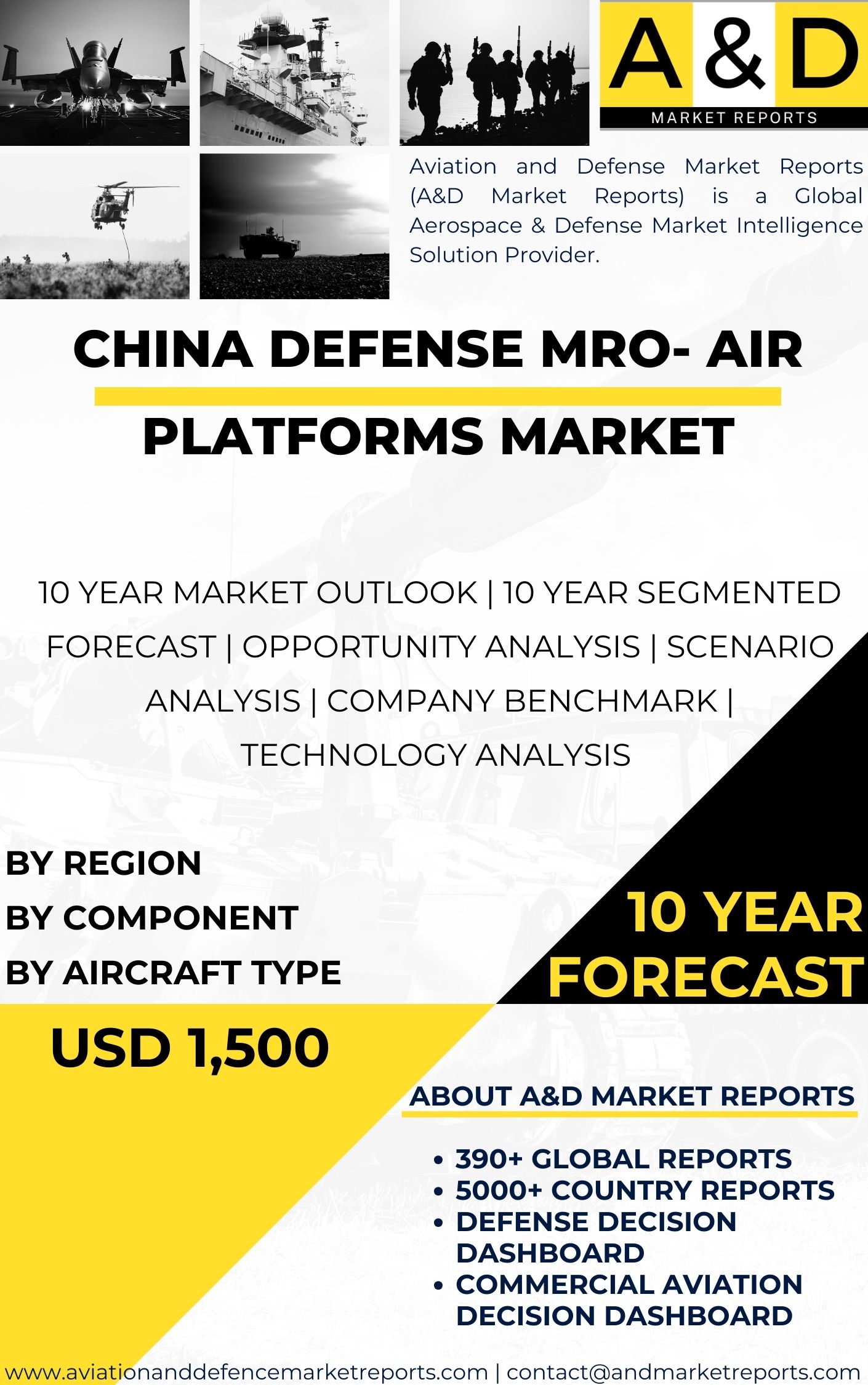
China Defense MRO – Air Platforms Market Overview
The China Defense MRO- Air is a critical segment of the country’s defense industry. It focuses on maintaining, repairing, upgrading, and overhauling military aircraft to ensure operational readiness and mission effectiveness. Defense MRO services support a wide range of air platforms, including fighter jets, transport aircraft, helicopters, airborne early warning aircraft, and unmanned aerial vehicles (UAVs). As China continues to modernize its military aviation fleet, the demand for advanced MRO capabilities is increasing. The sector plays an essential role in extending aircraft service life, reducing operational costs, and improving fleet availability across the armed forces.
Growing Importance of Air Platform Sustainment
China recognizes that maintaining a modern air force requires more than acquiring advanced aircraft. Long-term operational effectiveness depends heavily on efficient maintenance and sustainment programs. Consequently, the country has invested heavily in developing comprehensive MRO infrastructure to support its expanding military aviation inventory. Effective maintenance programs help reduce aircraft downtime, improve reliability, and ensure readiness during both peacetime and combat operations. As military missions become more complex, the importance of advanced MRO services continues to grow throughout the defense aviation sector.
Defense Modernization Driving Market Growth
China’s rising defense expenditures have created favorable conditions for the growth of the Defense MRO – Air Platforms Market. Military modernization programs have introduced new generations of fighter aircraft, strategic bombers, transport planes, and rotary-wing platforms that require specialized maintenance support. As the number of advanced aircraft entering service increases, demand for sophisticated repair, overhaul, and lifecycle support services also rises. Furthermore, modernization efforts have encouraged investments in maintenance technologies, digital diagnostics, and predictive maintenance solutions that improve operational efficiency.
Focus on Technological Self-Reliance
One of the primary drivers of market growth is China’s commitment to technological self-sufficiency. The government aims to reduce dependence on foreign suppliers for maintenance services, spare parts, and technical support. To achieve this objective, substantial investments have been directed toward the development of indigenous MRO capabilities. Domestic organizations are expanding their expertise in aircraft maintenance, component repair, engine servicing, and avionics upgrades. This strategy strengthens national security while supporting the growth of China’s domestic aerospace and defense industries.
Expansion of Military Aircraft Fleets
China’s expanding military aviation fleet is creating significant demand for maintenance, repair, and overhaul services. The introduction of advanced combat aircraft, transport platforms, helicopters, and unmanned systems requires continuous technical support throughout their operational lifecycles. Each platform requires routine inspections, component replacement, structural repairs, and performance upgrades. As fleet sizes continue to grow, MRO providers must increase capacity and enhance technical capabilities to support long-term operational requirements across the armed forces.
Development of Advanced MRO Infrastructure
China has invested heavily in building modern MRO facilities capable of servicing a wide range of military aircraft. These facilities are equipped with advanced diagnostic equipment, testing systems, repair workshops, and specialized maintenance tools. Modern infrastructure enables technicians to perform complex maintenance activities more efficiently while maintaining high levels of quality and safety. Furthermore, the expansion of dedicated military aviation maintenance centers supports faster turnaround times and improved fleet availability.
Role of Domestic Aerospace Companies
Several Chinese aerospace and defense organizations play a major role in supporting the Defense MRO – Air Platforms Market. These companies possess extensive expertise in aircraft manufacturing, engineering, systems integration, and maintenance operations. Their involvement allows for comprehensive support throughout an aircraft’s lifecycle, from production and upgrades to repair and overhaul activities. Close collaboration between manufacturers and maintenance providers also improves technical knowledge sharing and enhances overall service quality.
Adoption of Advanced Maintenance Technologies
The Chinese defense aviation sector is increasingly adopting advanced technologies to improve maintenance efficiency and reliability. Digital diagnostics, predictive maintenance systems, condition-based monitoring, and data analytics are becoming important components of modern MRO operations. These technologies enable maintenance teams to identify potential issues before failures occur, reducing downtime and lowering lifecycle costs. As digital transformation continues across the aerospace industry, advanced maintenance solutions are expected to play an even larger role in future MRO activities.
Engine Maintenance and Overhaul Services
Aircraft engines represent one of the most critical and complex components requiring specialized maintenance support. China has expanded its capabilities in engine inspection, repair, refurbishment, and overhaul to support both legacy and next-generation military aircraft. Advanced engine maintenance programs help improve performance, increase operational lifespan, and ensure flight safety. Continued investments in propulsion system support are strengthening China’s ability to independently sustain its growing military aviation fleet.
Avionics and Systems Upgrade Programs
Modern military aircraft rely heavily on advanced avionics, communication systems, radar technologies, and electronic warfare equipment. Consequently, avionics maintenance and upgrade services have become a major component of the Defense MRO market. Chinese organizations are increasingly focused on upgrading mission systems, software, sensors, and electronic components to maintain operational effectiveness. These modernization efforts help extend aircraft service life while ensuring compatibility with evolving mission requirements and battlefield technologies.
International Collaboration and Knowledge Transfer
China has pursued international partnerships to strengthen its maintenance and overhaul capabilities. Collaborations with foreign aerospace companies provide access to advanced maintenance methodologies, technical expertise, and best practices. These partnerships facilitate technology transfer and workforce development while helping domestic organizations improve service quality. Although China continues to prioritize indigenous capabilities, international cooperation remains an important source of technical knowledge and operational experience.
Workforce Development and Training
A highly skilled workforce is essential for the success of the Defense MRO – Air Platforms Market. China has invested significantly in training programs for technicians, engineers, inspectors, and maintenance specialists. Educational institutions and defense organizations work together to develop expertise in aircraft systems, maintenance procedures, safety standards, and emerging technologies. Continuous workforce development ensures that maintenance personnel remain capable of supporting increasingly sophisticated military aircraft and advanced aerospace systems.
Economic and Industrial Benefits
The growth of the Defense MRO sector provides important economic and industrial benefits beyond military readiness. Expansion of maintenance facilities creates employment opportunities for engineers, technicians, logistics personnel, and support staff. Additionally, the development of domestic maintenance capabilities strengthens China’s broader aerospace industry by encouraging innovation, investment, and industrial collaboration. The market also contributes to the growth of local supply chains and supporting industries involved in aerospace manufacturing and services.
Quality Assurance and Reliability Challenges
Despite significant progress, maintaining high standards of quality and reliability remains a key challenge for the market. Military aircraft operate in demanding environments and require maintenance services that meet strict performance and safety requirements. MRO providers must implement rigorous quality control procedures, certification programs, and inspection processes to ensure consistent results. Continuous improvements in maintenance standards are essential for building confidence among military operators and supporting long-term fleet readiness.
Technology Transfer and Capability Enhancement
Access to advanced maintenance technologies and technical expertise remains important for the continued development of China’s MRO capabilities. Technology transfer agreements, collaborative projects, and joint training initiatives help domestic organizations enhance their knowledge and operational efficiency. By combining international expertise with indigenous innovation, China can accelerate the development of world-class maintenance and overhaul capabilities that support both current and future military aviation platforms.
Future Market Outlook
The future outlook for the China Defense MRO – Air Platforms Market remains highly positive. Continued defense modernization, expanding aircraft inventories, and increasing demand for advanced maintenance services are expected to drive sustained growth over the coming years. Emerging technologies such as artificial intelligence, digital twins, predictive analytics, and automated inspection systems are likely to transform maintenance operations and improve efficiency. Furthermore, ongoing investments in infrastructure, workforce development, and indigenous technology will strengthen China’s position as a major player in the global defense aviation maintenance sector.
Conclusion
The China Defense MRO – Air Platforms Market is a vital component of the country’s military aviation ecosystem. Strong government support, expanding defense budgets, and a growing focus on self-reliance continue to drive market development. Advanced maintenance, repair, and overhaul capabilities ensure the readiness, reliability, and longevity of military aircraft across a wide range of operational environments. Although challenges related to quality assurance, technology transfer, and workforce development remain, continued investment and innovation position the market for long-term growth and increasing strategic importance in China’s defense modernization efforts.