
Description
Market Overview and Strategic Importance
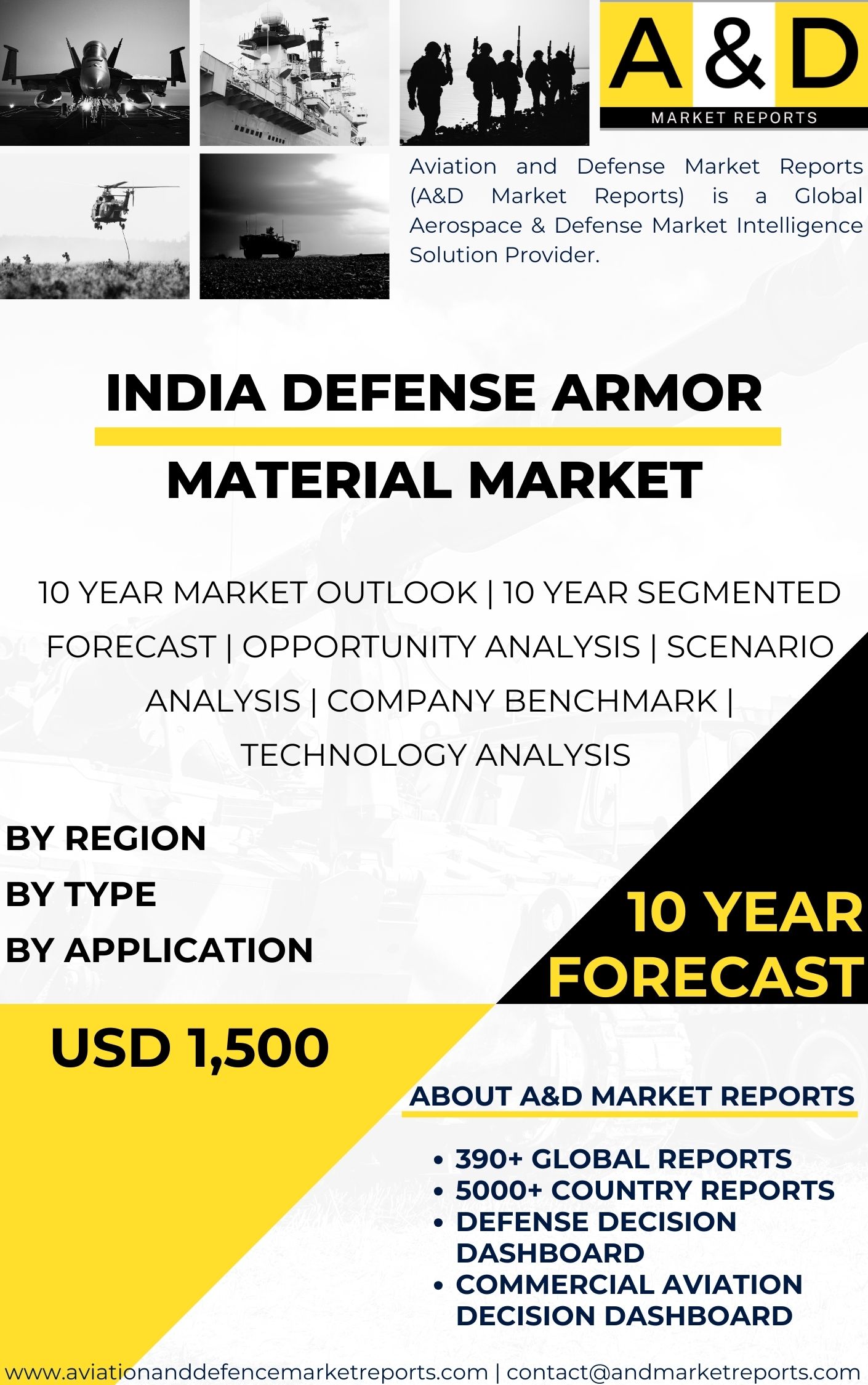
The India defense armor material market plays a vital role in enhancing the protection and survivability of the country’s armed forces, making it a foundational element of national security and military preparedness. Armor materials are extensively used in military vehicles, personal protective equipment, and critical defense infrastructure to safeguard against ballistic impacts, explosions, and evolving battlefield threats. As India continues to modernize its defense forces and address complex security challenges, the importance of advanced armor solutions has grown significantly. These materials not only ensure the safety of personnel but also enhance mission effectiveness and operational endurance. With increasing geopolitical tensions and asymmetric warfare scenarios, the demand for reliable and high-performance armor materials continues to rise steadily.
Types of Armor Materials and Applications
The India defense armor material market encompasses a diverse range of materials specifically engineered to meet various operational requirements. Ballistic armor materials such as high-strength composites, advanced ceramics, and specialized alloys are widely used in body armor, helmets, and armored vehicles. These materials are designed to absorb, deflect, and disperse the energy generated by high-velocity projectiles, thereby minimizing damage and injury. Their applications extend across land, air, and naval platforms, ensuring comprehensive protection in different combat environments. Continuous innovation in material composition and structure is further improving their efficiency and adaptability.
Blast-Resistant Materials and Protection Systems
Blast-resistant materials form another critical segment of the market, particularly in addressing threats from explosives and improvised explosive devices (IEDs). Technologies such as reactive armor, layered composites, and energy-absorbing structures are used to reduce the impact of blasts on vehicles and personnel. These materials are essential for enhancing survivability in high-risk zones and counter-insurgency operations. As modern warfare increasingly involves unconventional threats, the importance of blast mitigation technologies has grown significantly. The integration of such materials into defense platforms ensures better protection and resilience in hostile conditions.
Focus on Indigenization and Self-Reliance
India’s strong push toward indigenization has significantly influenced the growth of the defense armor material market. Government initiatives like “Make in India” aim to reduce reliance on foreign imports and promote domestic manufacturing capabilities. Indian companies are actively investing in research and development to create indigenous armor solutions tailored to the country’s specific operational needs. This approach not only strengthens national security but also supports economic growth by fostering innovation and creating employment opportunities. The emphasis on self-reliance is transforming India into a competitive player in the global defense materials market.
Advancements in Lightweight and High-Strength Materials
One of the most notable trends in the market is the development of lightweight yet highly durable armor materials. These advanced materials provide superior protection while significantly reducing the overall weight of military equipment and vehicles. Reduced weight enhances mobility, speed, and fuel efficiency, which are critical factors in modern combat operations. Lightweight armor is particularly beneficial for infantry soldiers, enabling them to carry protective gear without compromising agility. Continuous advancements in nanotechnology and composite materials are further driving innovation in this area.
International Collaborations and Technology Access
The India defense armor material market has benefited from strategic collaborations with international defense companies and research organizations. These partnerships facilitate access to advanced technologies, innovative materials, and global best practices. Joint ventures and technology transfer agreements have accelerated the adoption of cutting-edge armor solutions in India. By combining global expertise with domestic capabilities, India is able to enhance the quality and performance of its armor materials. Such collaborations also help bridge technological gaps and strengthen the overall defense ecosystem.
Role of Research and Development
Research and development play a crucial role in advancing the capabilities of armor materials in India. Defense research organizations, academic institutions, and private companies are actively engaged in developing next-generation materials with improved strength, durability, and multi-threat resistance. These efforts focus on creating innovative solutions that can withstand a wide range of threats, including ballistic, blast, and chemical hazards. Continuous investment in R&D ensures that India remains prepared to tackle evolving security challenges. It also contributes to the development of indigenous technologies and intellectual property.
Impact of Defense Modernization Programs
India’s ongoing defense modernization programs have significantly increased the demand for advanced armor materials. Upgrades to armored vehicles, aircraft, and naval platforms require improved protection systems to meet modern threat scenarios. The integration of advanced armor materials enhances the survivability and effectiveness of these platforms. As the armed forces continue to adopt new technologies and upgrade existing systems, the need for high-performance armor materials will continue to grow. This trend is expected to drive long-term market expansion.
Demand for Next-Generation Protection Solutions
The growing focus on next-generation defense systems has further accelerated the demand for innovative armor materials. Modern warfare requires multi-layered protection capable of addressing a variety of threats simultaneously. Advanced armor solutions are being developed to provide protection against ballistic impacts, explosive blasts, and even chemical and biological hazards. These multifunctional materials are essential for ensuring the safety of defense personnel in complex combat environments. The shift toward integrated protection systems reflects the evolving nature of global defense strategies.
Challenges in Technology and Development
Despite significant progress, the India defense armor material market faces several challenges, particularly in terms of technological development. The need for continuous innovation to counter emerging threats requires substantial investment in research and advanced manufacturing techniques. Developing materials that offer high protection while maintaining cost efficiency and scalability remains a complex task. Additionally, keeping pace with global technological advancements is essential to remain competitive. Addressing these challenges will require sustained collaboration between government, industry, and research institutions.
Supply Chain and Manufacturing Constraints
The development of a robust supply chain and manufacturing ecosystem is critical for the growth of the armor material market. Producing defense-grade materials involves strict quality standards, precision engineering, and reliable sourcing of raw materials. Any disruption in the supply chain can impact production timelines and defense readiness. Strengthening domestic manufacturing capabilities and ensuring consistent quality control are essential for meeting the increasing demand. Building a resilient supply chain will play a key role in supporting long-term market growth.
Future Outlook and Growth Potential
The India defense armor material market is expected to witness strong growth in the coming years, driven by increasing defense budgets and a focus on self-reliance. Advancements in material science and manufacturing technologies will further enhance the capabilities of domestic players. The market is likely to expand as India continues to invest in modernizing its armed forces and developing indigenous defense solutions. Growing global demand for advanced armor materials may also create export opportunities for Indian manufacturers.
Conclusion and Strategic Significance
In conclusion, the India defense armor material market is a crucial component of the country’s defense infrastructure, ensuring the safety and effectiveness of its armed forces. The adoption of advanced materials enhances protection, improves operational efficiency, and supports modernization efforts. With a strong focus on innovation, indigenization, and collaboration, the market is well-positioned for sustained growth. As India continues to strengthen its defense capabilities, armor materials will remain a key factor in achieving strategic and technological superiority.