
Description
Market Overview and Strategic Importance
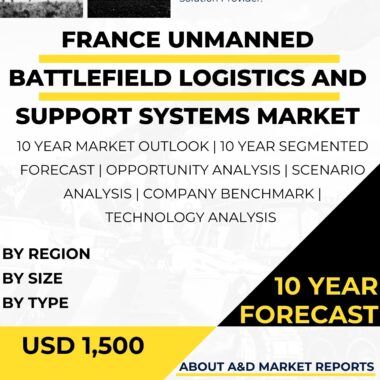
The Italy Unmanned Battlefield Logistics and Support Systems Market is a critical and evolving segment within the country’s defense industry, dedicated to providing advanced unmanned systems for battlefield logistics and support operations. Unmanned battlefield logistics and support systems play a crucial role in enhancing the efficiency, safety, and effectiveness of military operations by automating and streamlining the transportation of personnel, supplies, and equipment in combat environments. The market reflects the nation’s strong commitment to adopting cutting-edge technologies to strengthen its defense capabilities. By integrating unmanned solutions, Italy aims to reduce human risk, improve mission success rates, and ensure faster response times in complex operational scenarios.
Strategic Drivers and Military Demand
Italy’s strategic location in Europe and its active participation in international peacekeeping and military missions underline the importance of having a robust and versatile unmanned logistics and support capability. The market is driven by the growing need to equip the Italian military with systems that provide autonomy, adaptability, and real-time decision-making. These capabilities are essential in modern warfare, where speed and efficiency can determine mission outcomes. The demand is further fueled by the increasing complexity of battlefield environments, requiring reliable and intelligent systems to support troops effectively.
System Types and Operational Scope
The Italy Unmanned Battlefield Logistics and Support Systems Market encompasses a wide range of platforms, including unmanned ground vehicles (UGVs), unmanned aerial vehicles (UAVs), and unmanned maritime vehicles (UMVs). These systems are designed to operate across diverse terrains and challenging conditions, ensuring uninterrupted logistics support in combat zones. Each system type plays a unique role, from transporting supplies on land to delivering critical payloads via air or sea. This diversity enhances operational flexibility and allows the military to tailor logistics solutions based on mission-specific requirements.
Key Industry Player
One of the key players in this market is Leonardo S.p.A., a major Italian defense firm specializing in advanced unmanned systems and autonomous technologies. The company has established itself as a leader in developing innovative solutions for both aerial and ground platforms. Its expertise and continuous investment in research and development highlight Italy’s strong industrial base in the defense sector. Leonardo’s contributions significantly strengthen the country’s position in the global unmanned systems market.
Collaboration and Global Partnerships
The market also benefits from strong collaborations with international defense companies and research institutions. Joint development programs and knowledge-sharing initiatives play a crucial role in accelerating innovation and technological advancement. These partnerships enable Italy to access global expertise, improve system interoperability, and enhance overall competitiveness. Such collaborations are essential for staying ahead in a rapidly evolving defense landscape where technological superiority is a key determinant of success.
Technological Challenges and Innovation Needs
The market faces several challenges, particularly the need for continuous innovation in unmanned systems technologies. As battlefield logistics requirements become more complex, systems must evolve to incorporate advancements in artificial intelligence, autonomous navigation, and situational awareness. Ensuring reliability and efficiency under extreme conditions remains a critical concern. Addressing these challenges requires sustained investment in research and the development of next-generation technologies capable of meeting future operational demands.
Integration and Interoperability Issues
Another significant challenge is ensuring seamless interoperability and integration with existing military infrastructure. Unmanned systems must effectively communicate and coordinate with manned platforms and command centers to maximize their utility. Achieving this level of integration requires standardized communication protocols and advanced networking capabilities. Overcoming these challenges is essential for creating a cohesive and efficient battlefield ecosystem.
Cybersecurity and Data Protection Concerns
Cybersecurity is a critical concern in the deployment of unmanned systems, as they rely heavily on data transmission and communication networks. Protecting these systems from cyber threats is essential to maintain operational integrity and mission success. Ensuring robust encryption, secure communication channels, and resilient data systems is vital for preventing unauthorized access and potential disruptions. As cyber warfare becomes increasingly prominent, addressing these vulnerabilities is a top priority.
Growth Opportunities and Multi-Domain Systems
Despite challenges, the market presents numerous growth opportunities, particularly in the development of multi-domain unmanned systems. These systems can operate across air, land, and sea, enabling coordinated and efficient logistics operations. The integration of different platforms enhances operational capabilities and supports complex mission requirements. This trend is expected to drive significant innovation and expansion within the market.
Export Potential and Global Expansion
The export potential of advanced unmanned logistics systems offers significant opportunities for Italy’s defense industry. By collaborating with allied nations in joint exercises and procurement programs, Italy can expand its global footprint. These partnerships facilitate interoperability, knowledge exchange, and market access. Strengthening export capabilities also contributes to economic growth and reinforces Italy’s position as a reliable defense technology provider.
AI and Smart Logistics Advancements
The increasing adoption of artificial intelligence and machine learning is transforming battlefield logistics. AI-driven unmanned systems can optimize route planning, automate supply distribution, and enhance decision-making processes. These smart systems improve efficiency, reduce operational costs, and enable faster response times. The integration of AI is expected to be a key driver of innovation in the market.
Advanced Materials and Manufacturing Innovations
Advancements in materials and manufacturing techniques provide additional opportunities for improving unmanned systems. The use of lightweight composites and additive manufacturing enhances system performance, durability, and endurance. These innovations enable longer mission durations and increased operational range. As technology continues to evolve, these materials will play a crucial role in shaping next-generation unmanned platforms.
Conclusion and Future Outlook
In conclusion, the Italy Unmanned Battlefield Logistics and Support Systems Market is a critical and evolving segment within the country’s defense industry. The growing demand for advanced unmanned systems reflects Italy’s commitment to enhancing battlefield logistics and operational capabilities. By addressing technological, integration, and cybersecurity challenges while leveraging emerging opportunities, Italy can continue to strengthen its defense capabilities. Ongoing investments in innovation, global partnerships, and advanced technologies will be essential for maintaining a competitive edge in the global defense landscape.