
Description
Binocular Market in South Korea Overview
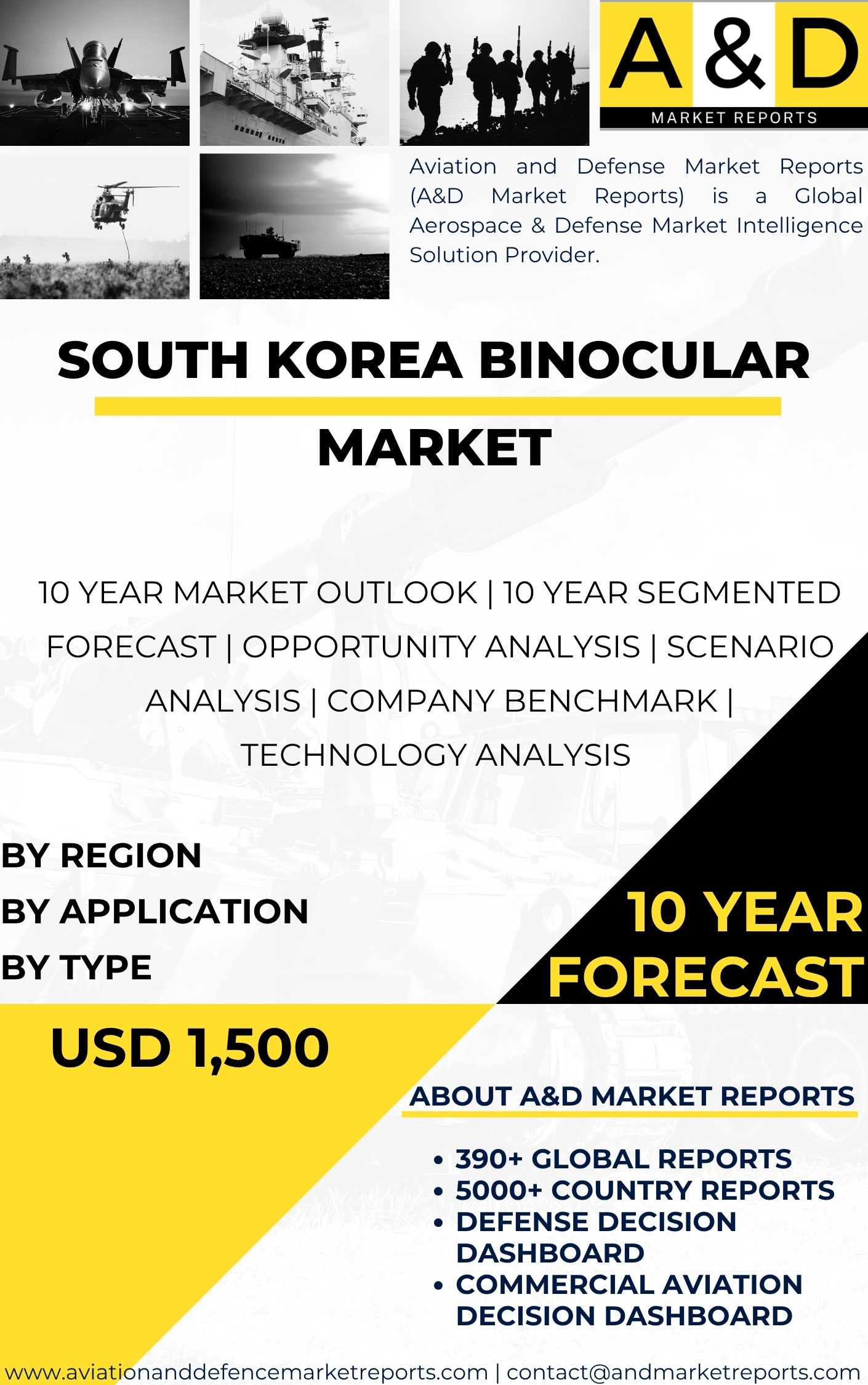
The South Korea binocular market is experiencing steady growth, supported by demand from both defense and civilian sectors. Binoculars remain essential optical devices for long-distance observation, surveillance, target identification, and situational awareness. In South Korea, these products are widely used by military personnel, law enforcement agencies, border security units, and outdoor enthusiasts. Continuous advancements in optical technology, combined with increasing interest in recreational activities, are contributing to the expansion of the market.
Military Use in the Binocular Market in South Korea
The South Korean military relies heavily on binoculars for surveillance, reconnaissance, border monitoring, and battlefield observation. Military personnel use binoculars to identify potential threats, track enemy movements, and support tactical decision-making during operations. Given the country’s security environment and the importance of maintaining readiness, durable and high-performance binoculars remain critical equipment for defense forces. Their portability and ease of use make them valuable tools across a wide range of operational scenarios.
Advanced Features for Defense Operations
Modern military binoculars incorporate advanced optical technologies that improve performance under demanding conditions. High-definition lenses provide superior image clarity and long-range observation capabilities. Many defense-grade binoculars feature integrated night vision systems, laser rangefinders, and digital target-marking functions. Ruggedized construction, waterproof housing, anti-fog coatings, and shock-resistant materials ensure reliable operation in harsh environments. These features significantly enhance operational effectiveness and situational awareness.
Civilian Demand Driving the Binocular Market in South Korea
Civilian demand continues to play a significant role in the growth of the South Korea binocular market. Outdoor recreational activities such as birdwatching, hiking, wildlife observation, camping, and eco-tourism have become increasingly popular. Sporting events and marine activities also contribute to market demand. Consumers seek binoculars that offer strong magnification, lightweight construction, and comfortable handling. As interest in nature and outdoor experiences grows, civilian sales are expected to remain strong.
Digital and Smart Optics Trends
Technological innovation is transforming the binocular industry through the integration of digital features and smart technologies. Some modern binoculars now include image stabilization, digital zoom capabilities, built-in cameras, GPS functionality, and smartphone connectivity. Users can capture photos and videos directly through their binoculars and share content instantly. These smart optics features appeal particularly to younger consumers and technology-oriented users who seek enhanced functionality beyond traditional viewing capabilities.
Research and Manufacturing Developments
Manufacturers continue investing in research and development to improve optical performance, durability, and user comfort. Advances in lens coatings, prism technology, and lightweight materials are helping produce more efficient and portable binoculars. South Korean companies collaborate with international optics manufacturers and research institutions to develop next-generation products. Domestic assembly and manufacturing capabilities are also expanding, strengthening the country’s position in the optical equipment market.
Sustainability in the Binocular Market in South Korea
Sustainability has become an increasingly important consideration for manufacturers operating in the South Korea binocular market. Companies are adopting environmentally responsible production methods, reducing waste, and using recyclable materials where possible. Energy-efficient manufacturing processes and sustainable packaging solutions are gaining attention. These initiatives align with broader national goals related to environmental protection and sustainable industrial development.
Challenges Facing the Binocular Market in South Korea
Despite positive growth prospects, the market faces several challenges. Advanced optical technologies and premium materials can increase manufacturing costs, making high-end products more expensive for consumers. Supply chain disruptions affecting optical glass, electronic components, and specialized materials can impact production schedules. Additionally, export regulations and international trade conditions may influence market competitiveness. Manufacturers must continuously innovate while managing costs and maintaining product quality.
Future Outlook of the Binocular Market in South Korea
The future outlook for the South Korea binocular market remains positive. Military modernization programs will continue to generate demand for advanced observation equipment, while growing participation in outdoor and recreational activities will support civilian sales. Technological advancements in digital optics, image stabilization, and smart connectivity are expected to create new growth opportunities. As manufacturers continue to innovate and expand their product offerings, the market is likely to experience sustained development over the coming years.
Conclusion
The South Korea binocular market represents a dynamic blend of defense requirements and civilian demand. Military modernization, technological innovation, and growing outdoor recreation activities continue to drive market growth. Advanced optical features, smart technologies, and sustainable manufacturing practices are shaping the future of the industry. With continued investment in research, production capabilities, and product development, the market is well positioned for long-term expansion and technological advancement.