
Description
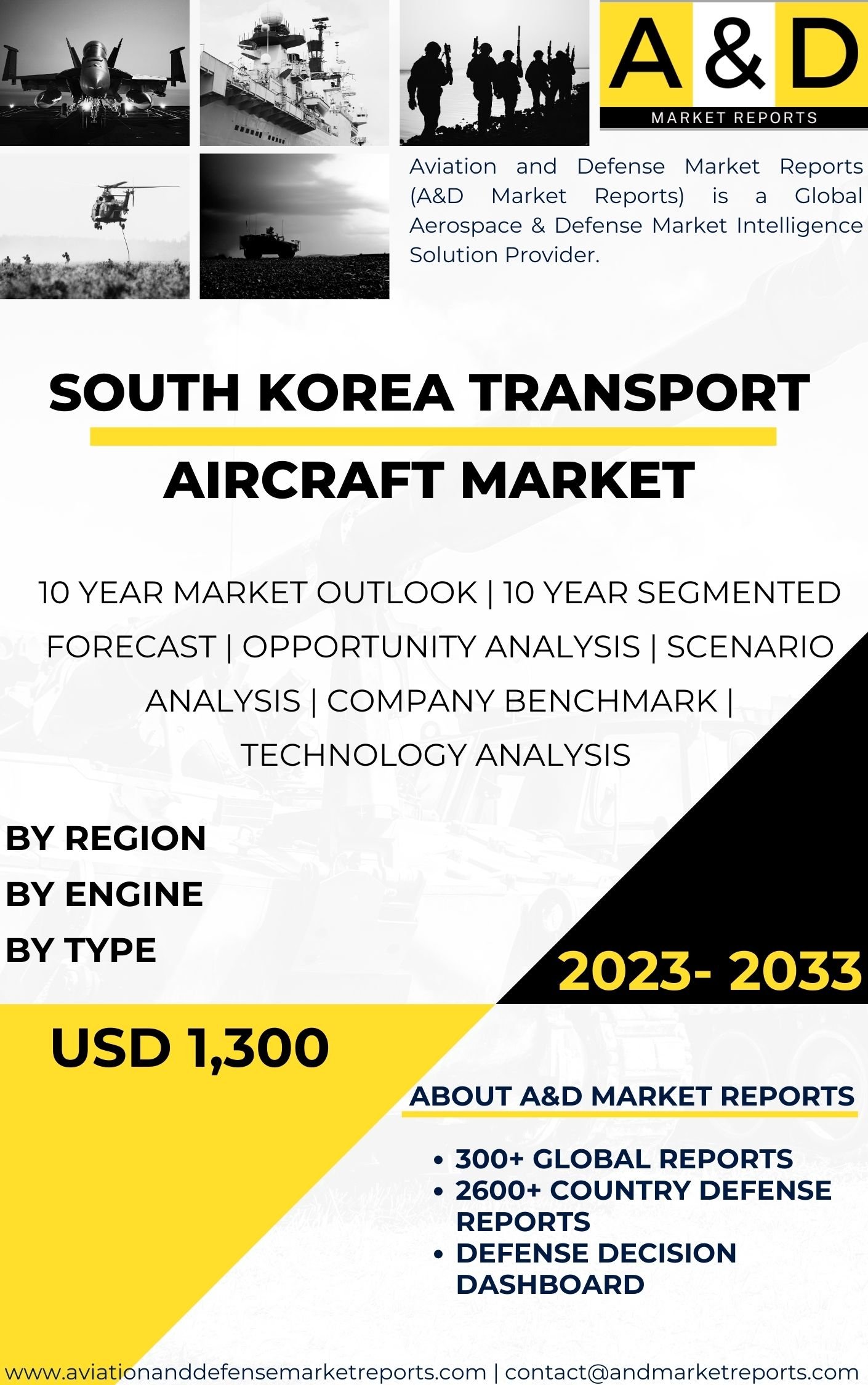
South Korea Transport Aircraft Market Overview
The South Korea transport aircraft market is a crucial segment of the national defense aviation industry. It supports strategic airlift capabilities including troop deployment, cargo transportation, and emergency relief operations. These aircraft significantly enhance military mobility by enabling rapid response across domestic and international missions. They also play an important role in joint operations and multinational exercises, where fast and reliable logistics support is essential. As defense requirements expand, transport aircraft continue to play an essential role in strengthening operational readiness and logistics support. Continuous modernization programs are also increasing the demand for more advanced and fuel-efficient transport platforms.
Importance of Transport Aircraft in Defense Operations
Transport aircraft are essential for modern military logistics because they enable the rapid movement of personnel, equipment, and supplies over long distances. This capability ensures that armed forces can respond quickly to conflicts, humanitarian crises, and disaster situations. Their ability to operate across diverse environments enhances mission flexibility and supports sustained military operations. They also provide critical support for forward bases and remote deployments where ground transport is not feasible. As a result, transport aircraft are considered a backbone of strategic air mobility in South Korea’s defense structure, ensuring operational continuity in both peacetime and wartime scenarios.
Key Functions of Transport Aircraft
Transport aircraft perform multiple critical functions including airlift missions, medical evacuation, and humanitarian assistance operations. They are also widely used in peacekeeping missions and disaster relief efforts where quick deployment is essential. These aircraft can carry heavy payloads, including military vehicles and specialized equipment, making them indispensable for both combat and non-combat operations. In addition, they support aerial refueling support missions in some configurations and assist in rapid resupply operations during extended deployments. Their versatility ensures high operational value across multiple mission profiles and enhances overall defense logistics capability.
Indigenous Development in the South Korea Transport Aircraft Market
Indigenous development plays a central role in strengthening the South Korea transport aircraft market. Korea Aerospace Industries (KAI) leads domestic aircraft manufacturing programs tailored to meet the requirements of the Republic of Korea Air Force. Local production enhances self-reliance, reduces dependency on foreign suppliers, and improves customization based on operational needs. It also helps build a strong domestic aerospace ecosystem involving suppliers, research institutions, and defense contractors. Continuous investment in domestic aerospace capabilities also strengthens national defense sovereignty and supports long-term industrial competitiveness.
Role of Transport Aircraft in the South Korean Air Force
The South Korean Air Force relies heavily on transport aircraft for daily operations and strategic missions. These aircraft are used for troop movement, logistical resupply, and rapid deployment in emergency situations. They also support joint military exercises and international cooperation missions. Transport aircraft ensure that forces can be repositioned quickly across the Korean Peninsula and beyond when required. Reliable airlift capability ensures that military forces maintain high readiness and can respond effectively to evolving security challenges, especially in high-alert scenarios.
Civilian Applications of Transport Aircraft
Transport aircraft also support several civilian and dual-use applications in South Korea. They are used for cargo logistics, medical evacuation during emergencies, firefighting operations, and disaster relief missions. These civilian roles increase the overall utility and economic value of transport aircraft platforms. They also help improve national disaster response systems by enabling rapid movement of aid and emergency personnel. The integration of military and civilian applications further enhances operational efficiency, resource utilization, and national resilience during large-scale emergencies.
Research and Development Advancements
Continuous research and development efforts are driving innovation in the South Korea transport aircraft market. Focus areas include improving fuel efficiency, extending operational range, and enhancing avionics systems. Engineers are also developing advanced cargo handling systems and improved structural materials to increase performance and durability. In addition, digital technologies such as predictive maintenance and advanced flight control systems are being integrated. These technological advancements help improve mission flexibility, aircraft safety, and reduce long-term operational costs for defense operators.
Strategic Partnerships and Collaboration
Strategic partnerships play an important role in advancing transport aircraft capabilities in South Korea. Collaboration between domestic companies, international aerospace firms, and government agencies enables technology sharing and system integration. Joint development programs improve aircraft performance, reduce development timelines, and enhance overall reliability. These partnerships also support access to advanced materials, propulsion technologies, and avionics systems. They further help South Korea strengthen its position in the global aerospace supply chain and export market.
Training, Safety, and Maintenance
Proper training and maintenance are critical to ensuring safe and efficient transport aircraft operations. Aircrew undergo extensive training in flight operations, cargo management, and emergency procedures. Ground crews are responsible for regular inspections, maintenance, and system upgrades. Strict safety standards and maintenance protocols help minimize operational risks and ensure long-term aircraft reliability. Simulation-based training and digital maintenance tracking systems are also increasingly being used. These practices ensure high mission readiness and reduce downtime across the fleet.
Conclusion
The South Korea transport aircraft market plays a vital role in national defense and emergency response capabilities. Indigenous development, continuous innovation, and strategic partnerships are strengthening the country’s airlift capacity. Transport aircraft significantly enhance military logistics, operational readiness, and humanitarian support missions. They also contribute to civilian disaster response and national resilience infrastructure. As defense and civilian demands continue to evolve, modernization of transport aircraft will remain a key priority for South Korea’s aerospace sector, ensuring long-term strategic mobility and security.