
Description
Spain’s Inertial Sensors and Flight Control Computer Test Systems Market Overview
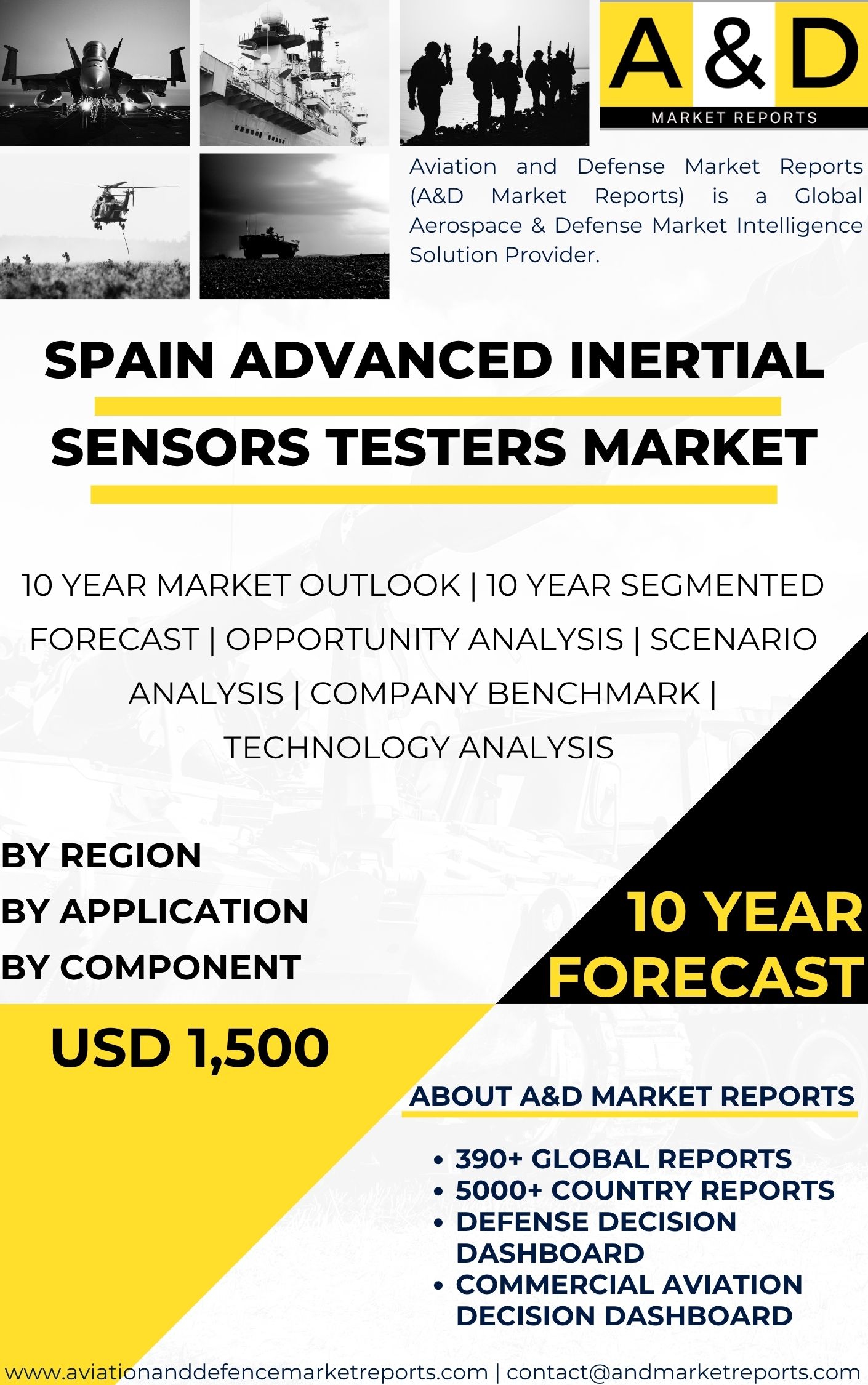
Spain Advanced Inertial Sensors represents a highly important segment of the country’s aerospace and defense technology ecosystem. These testing systems are essential for validating the reliability, accuracy, and operational safety of navigation and flight control components used in military aircraft, helicopters, unmanned aerial vehicles, missiles, and commercial aviation platforms. Spain continues to invest in advanced testing technologies as part of broader aerospace modernization and defense readiness programs. The growing complexity of avionics systems, autonomous flight technologies, and digital flight control architectures has increased the demand for sophisticated automated testing solutions capable of supporting modern aerospace requirements.
Importance of Inertial Sensors in Aerospace Systems
Inertial sensors such as accelerometers and gyroscopes are fundamental components within Inertial Navigation Systems (INS) and flight control architectures. These sensors measure acceleration, angular velocity, orientation, and motion, enabling aircraft and defense systems to navigate accurately without relying entirely on external signals such as GPS. In military operations, inertial sensors are especially critical in contested or GPS-denied environments where electronic warfare or signal disruption may occur. Because these sensors directly influence navigation precision and flight stability, Spain places strong emphasis on rigorous testing and validation procedures to ensure operational reliability under demanding conditions.
Advanced Testing Capabilities
Spain has developed advanced test systems designed specifically for inertial sensors and flight control computers. These systems simulate a wide range of operational scenarios and environmental conditions that aerospace components may encounter during real missions. Testing environments include exposure to extreme temperatures, mechanical vibration, high shock loads, electromagnetic interference, and rapid maneuvering conditions. By recreating realistic operational stresses, these systems help engineers verify that inertial sensors and flight control computers maintain stable performance and accuracy throughout the platform lifecycle.
Automated Test System Architecture
Modern Spanish test systems typically combine hardware interfaces, automated software platforms, and real-time data acquisition technologies. Hardware interfaces connect directly with inertial sensors and flight control modules, allowing engineers to evaluate electrical performance, signal integrity, and system responses during testing procedures. Software platforms manage automated test sequences, scenario simulation, and fault analysis while recording performance data in real time. Automation ensures consistent and repeatable testing, reducing human error and improving evaluation accuracy. These capabilities are critical for meeting strict aerospace certification and military operational standards.
Accelerated Life Testing and Reliability Assessment
One of the most important features of automated test systems is accelerated life testing. In these procedures, inertial sensors and flight control systems are exposed to extended operational simulations within compressed timeframes. This process allows engineers to identify component fatigue, performance degradation, and potential failure modes before systems are deployed into active service. Accelerated testing improves long-term reliability, reduces maintenance risks, and enhances operational readiness for aircraft and defense platforms. Spain’s aerospace industry increasingly relies on predictive reliability analysis to support lifecycle management and mission-critical safety requirements.
Integration with Flight Control Computers
Flight control computers are another major focus within Spain’s aerospace testing sector. These computers process data from inertial sensors and other avionics systems to maintain aircraft stability, execute pilot commands, and support autonomous flight operations. Testing systems verify processing accuracy, response times, software reliability, and fault tolerance under complex operational conditions. Engineers also evaluate how flight control computers interact with navigation systems, sensors, and communication networks to ensure stable and coordinated aircraft performance during critical missions.
Collaboration Between Industry and Defense Organizations
Spain’s defense contractors, aerospace companies, research institutions, and military organizations work closely together to develop advanced testing technologies. Collaboration between industry and defense end-users allows testing systems to be tailored for specific aircraft platforms and operational requirements. Spanish research programs also support innovation in sensor calibration, digital simulation, and automated diagnostics. Partnerships with international aerospace companies and NATO-aligned defense organizations further strengthen Spain’s technological capabilities and interoperability standards.
Technological Innovation and Digitalization
Technological innovation continues to drive growth in Spain’s inertial sensor and flight control computer testing market. Advanced simulation tools, digital twin technologies, artificial intelligence, and predictive analytics are increasingly integrated into testing environments. Digital twin models allow engineers to replicate real-world system behavior virtually, reducing development time and improving design optimization. Artificial intelligence algorithms assist in identifying hidden performance anomalies, improving fault prediction, and automating complex test evaluations. These innovations support Spain’s broader defense digitalization and aerospace modernization objectives.
Operational Benefits and Strategic Importance
The implementation of advanced testing systems significantly improves operational readiness, safety, and maintenance efficiency for Spain’s aerospace and defense platforms. Reliable inertial sensors and flight control systems are critical for mission success, particularly in combat aircraft, transport aircraft, UAVs, missiles, and naval aviation operations. Automated testing also reduces maintenance downtime, improves troubleshooting accuracy, and enhances long-term platform sustainability. As aerospace systems become more complex and software-driven, Spain’s investment in advanced testing infrastructure strengthens national defense capabilities and technological independence.
Market Outlook
The outlook for Spain’s inertial sensors and flight control computer test systems market remains positive due to rising demand for advanced avionics, autonomous systems, and next-generation aerospace technologies. Continued defense modernization, participation in multinational aerospace programs, and growing investment in digital engineering will further drive market growth. Spain is expected to continue expanding its expertise in automated testing, simulation, and aerospace validation technologies to support future military and commercial aviation requirements. Through ongoing innovation and collaboration, Spain aims to maintain a competitive position in the global aerospace and defense testing industry.