
Description
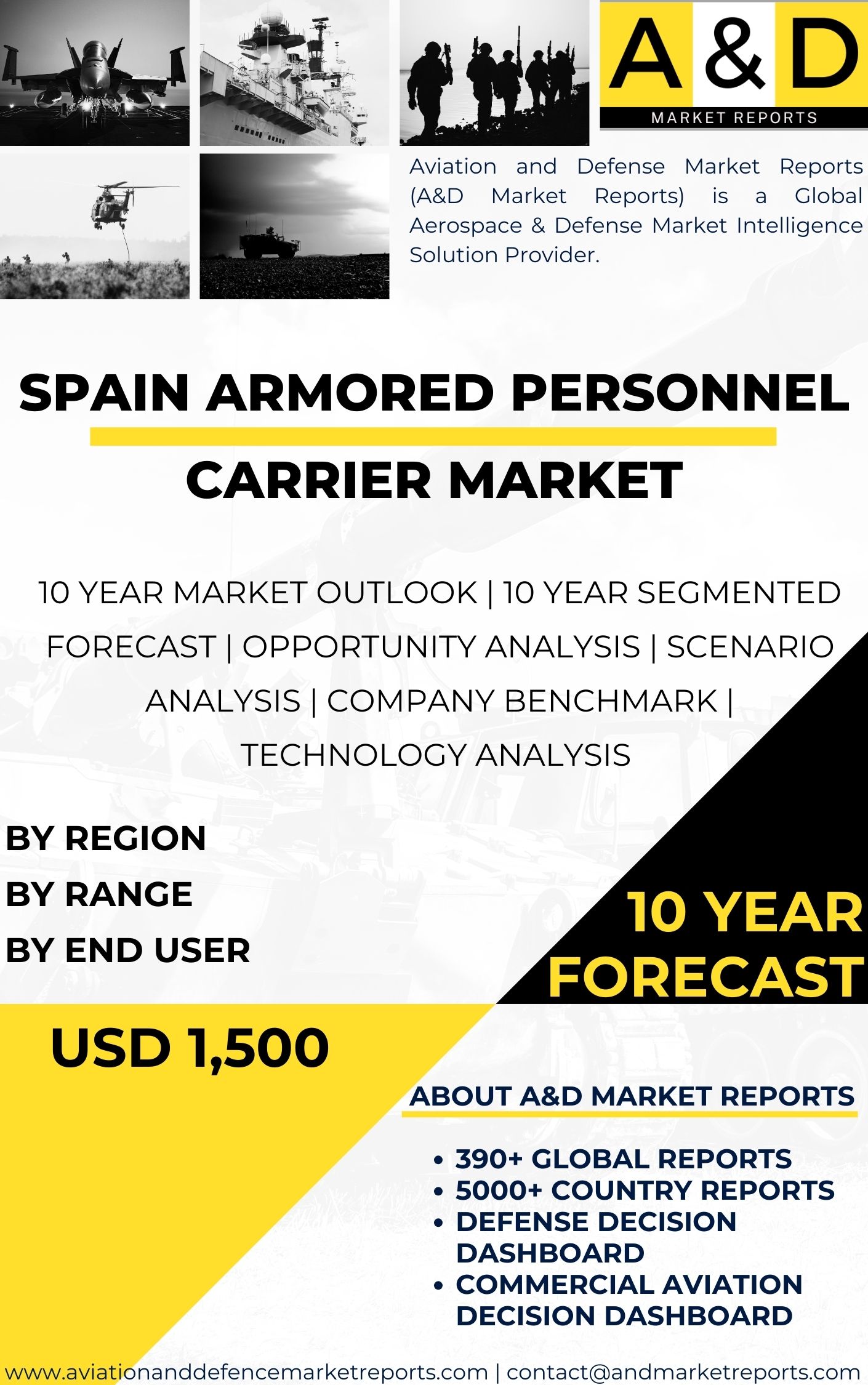
Spain Armored Personnel Carrier Market Overview
The Spain armored personnel carrier market plays an important role in the country’s defense sector. Armored personnel carriers, commonly called APCs, transport troops safely during combat, peacekeeping, and security missions. These vehicles provide mobility, protection, and firepower in dangerous environments. Spain, as a NATO member, continues to strengthen its military capabilities through APC modernization programs. Therefore, the country maintains steady demand for advanced armored vehicle platforms. In addition, the growing importance of rapid deployment forces and international defense cooperation further increases the need for reliable APC systems. The market also supports Spain’s long-term military readiness and operational flexibility.
Importance of APCs in Spain’s Defense Strategy
Spain requires a modern APC fleet to support both domestic defense and international operations. The country participates in NATO missions, peacekeeping activities, and humanitarian operations across different regions. As a result, the Spanish Armed Forces need reliable vehicles that can operate in urban areas, deserts, mountains, and coastal environments. APCs help military units move quickly while protecting soldiers from enemy attacks and explosive threats. Furthermore, these vehicles improve battlefield mobility and allow forces to respond effectively during emergency situations. Their ability to support infantry units under hostile conditions makes them a key part of Spain’s military strategy.
Structure of the Spain APC Market
The APC market in Spain combines domestic manufacturing with international defense partnerships. Spain produces some armored vehicles locally through its defense industry. At the same time, the country also cooperates with NATO and European partners to acquire advanced technologies and military platforms. This mixed approach helps Spain maintain operational flexibility while improving defense capabilities. Moreover, cooperation with global defense firms allows access to advanced electronics, communication systems, and protection technologies. As defense requirements evolve, Spain continues balancing local production with strategic international procurement programs.
Domestic Defense Manufacturing
Spain has a strong domestic defense manufacturing sector that supports APC production and modernization. General Dynamics European Land Systems operates through its Spanish subsidiary Santa Bárbara Sistemas and plays a major role in armored vehicle development. The company designs, manufactures, and upgrades military vehicles for the Spanish Armed Forces and export customers. Domestic production strengthens Spain’s industrial base and reduces dependence on foreign suppliers. In addition, local manufacturing creates employment opportunities and supports defense-related research and development activities. The government also benefits from greater control over vehicle customization and long-term maintenance capabilities.
International Defense Collaboration
Spain also works closely with international defense companies and NATO allies. This collaboration allows the country to access advanced APC technologies, modern weapon systems, and improved protection solutions. Companies such as Rheinmetall, BAE Systems, and General Dynamics support Spain through technology partnerships and defense contracts. These relationships improve interoperability during joint military operations. Additionally, international partnerships reduce development costs and speed up access to next-generation defense systems. Such collaborations also strengthen Spain’s role within European and NATO defense initiatives.
Diverse APC Fleet Capabilities
Spain operates a diverse fleet of armored vehicles designed for different operational roles. The inventory includes both wheeled and tracked APCs. Wheeled vehicles provide higher mobility and lower maintenance costs, while tracked vehicles offer stronger off-road performance and battlefield protection. The military uses these platforms for troop transport, reconnaissance, command operations, and medical evacuation missions. Furthermore, the flexibility of the fleet allows Spain to adapt quickly to different mission environments. This diversity also improves operational readiness during both domestic security tasks and overseas deployments.
Growth of Modular Vehicle Designs
One important trend in the Spain APC market is the use of modular vehicle designs. Modular APCs allow military operators to change mission equipment based on operational needs. For example, a vehicle can function as a troop carrier during one mission and later serve as a command center or ambulance. This flexibility improves operational efficiency and reduces long-term procurement costs. In addition, modular systems simplify maintenance and future technology upgrades. Defense forces therefore gain the ability to modernize vehicles without replacing entire platforms, which increases long-term value and sustainability.
Advances in Vehicle Protection Systems
Modern APCs increasingly focus on crew survivability and battlefield protection. Manufacturers now use advanced armor materials, blast-resistant structures, and active protection systems to defend against missiles, mines, and improvised explosive devices. In addition, new electronic warning systems improve threat detection and crew awareness during combat operations. These technologies help reduce casualties and improve battlefield effectiveness. Furthermore, enhanced survivability increases troop confidence during dangerous missions. Continuous improvements in protective technologies remain a major priority for defense manufacturers and military organizations.
Network-Centric Warfare Integration
Spain’s APC modernization programs also support network-centric warfare capabilities. Modern APCs integrate communication systems, battlefield sensors, and digital command technologies. As a result, military units can share real-time information during operations. Improved communication increases situational awareness and strengthens coordination between armored vehicles, infantry, drones, and command centers. Moreover, digital integration allows commanders to make faster and more accurate decisions in combat situations. These connected systems improve operational efficiency and support modern military strategies focused on information superiority.
Development of Unmanned and Autonomous Technologies
The defense industry is also exploring unmanned and autonomous technologies for future APC operations. Unmanned ground vehicles may support troop transport, reconnaissance, and logistics missions in high-risk environments. These systems can reduce personnel exposure during dangerous operations while improving operational flexibility. Therefore, autonomous technologies are becoming an important area of research and investment. In addition, artificial intelligence and remote-control capabilities may further improve vehicle performance and mission effectiveness. Future APC platforms will likely combine manned and unmanned operational features.
Challenges Facing the APC Market
Despite strong growth opportunities, the Spain APC market faces several challenges. Defense modernization programs require large financial investments, and budget limitations can delay procurement plans. In addition, rapid technological changes force military organizations to upgrade platforms frequently. Meeting specific operational requirements while maintaining compatibility with NATO systems also creates technical and logistical challenges. Furthermore, global competition in the defense industry increases pressure on manufacturers to deliver advanced solutions at competitive costs. Managing long-term maintenance expenses and modernization schedules also remains a significant concern.
Export Opportunities and Market Growth
Spain’s defense industry has opportunities to expand through international exports. Countries seeking modern armored vehicles may consider Spanish-made APCs due to their advanced technologies and operational flexibility. Defense cooperation with NATO partners also supports long-term growth in research, manufacturing, and vehicle development. Furthermore, Spain’s continued participation in international security operations will sustain demand for modern APC platforms. Export growth can also strengthen the domestic defense economy and improve international defense partnerships. As global military modernization continues, export opportunities may increase further.
Future Outlook of the Market
The future of the Spain armored personnel carrier market remains positive due to ongoing modernization efforts and technological innovation. Advanced protection systems, digital battlefield integration, and autonomous capabilities will continue shaping future APC development. At the same time, defense partnerships and export opportunities may strengthen Spain’s position in the global armored vehicle industry. As military operations become more technology-driven, APCs will remain essential for troop mobility, protection, and battlefield support. Additionally, investments in smart technologies and next-generation combat systems are expected to drive further market growth in the coming years.